Chicken Drumstick Nutrition: Are They Healthy & How to Cook Them
Let's talk about chicken drumsticks. You've probably heard the chatter: "They're the unhealthy part," "Too much fat," "Stick to the breast." I used to think that way too, until I actually dug into the numbers and started cooking them regularly. Turns out, a lot of that advice is oversimplified, and you might be missing out on a fantastic, affordable, and yes, healthy protein source.
This isn't about blindly praising drumsticks. It's about giving you the complete, no-BS breakdown so you can decide for yourself. We'll look at the raw data, see what happens when you cook them, compare them to other cuts, and most importantly, figure out how to make them a delicious part of a balanced diet. Forget the dogma—let's look at the facts.
What's Inside: Your Quick Guide
The Raw Numbers: A 100g Serving Breakdown
First, the baseline. According to the USDA FoodData Central, here's what you get in 100 grams of raw chicken drumstick, with skin on. This is your starting point before any oil, marinade, or heat touches it.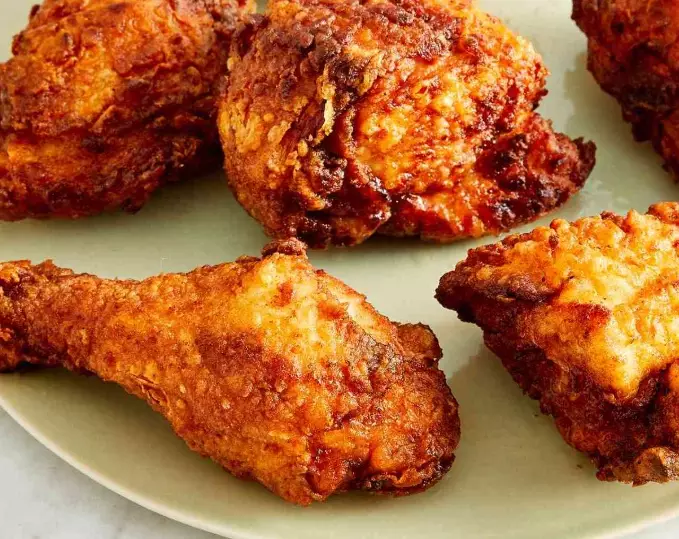
| Nutrient | Amount (Raw, with skin) | % Daily Value (DV)* |
|---|---|---|
| Calories | 191 kcal | 10% |
| Protein | 18.1 g | 36% |
| Total Fat | 12.6 g | 16% |
| Saturated Fat | 3.4 g | 17% |
| Cholesterol | 93 mg | 31% |
| Sodium | 93 mg | 4% |
| Iron | 0.9 mg | 5% |
| Potassium | 218 mg | 5% |
| Vitamin B6 | 0.4 mg | 25% |
| Niacin (B3) | 5.4 mg | 34% |
*Based on a 2,000 calorie diet. The DV is a rough guide.
Right away, you see the story. Solid protein—18 grams is nothing to sneeze at. But the fat number, especially the saturated fat, is what makes people nervous. The cholesterol content also looks high by old standards, though modern dietary guidance (from sources like the American Heart Association) has shifted to be less concerned about dietary cholesterol for most people and more focused on saturated and trans fats.
The B-vitamin content is a real highlight. Niacin and B6 are crucial for energy metabolism and nervous system function. This is a benefit often overlooked when people just fixate on the fat.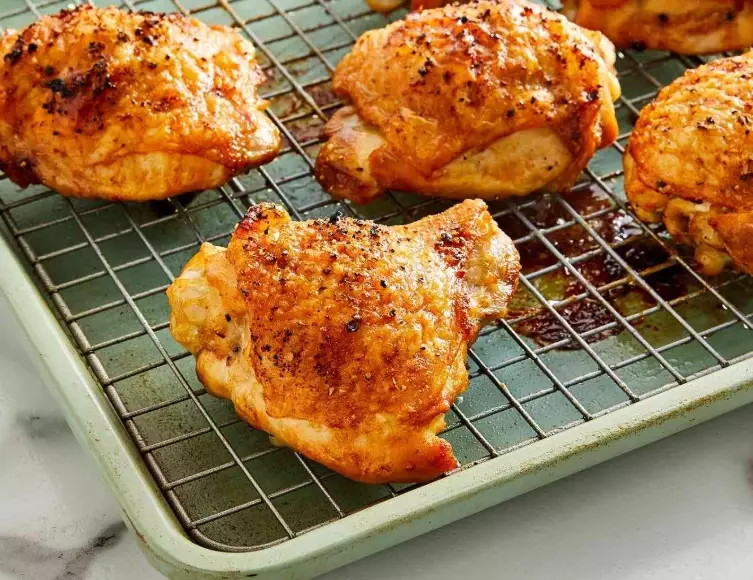
The Health Myth: Are Drumsticks Actually Bad For You?
Here's where we need to get nuanced. Calling drumsticks "unhealthy" is like calling a car "bad" without asking if it's a gas-guzzler or an electric vehicle. It depends entirely on the context—specifically, the skin and how you cook it.
The majority of the fat in a drumstick resides in and directly under the skin. Remove the skin, and the nutrition profile transforms. A skinless drumstick has significantly less total and saturated fat. But I'm not here to just tell you to always remove the skin. Sometimes flavor and juiciness matter, and that's okay in a balanced diet. The key is awareness and portion control.
A bigger mistake I see is how people cook them. Drowning them in sugary barbecue sauce or deep-frying them in batter is what turns a decent protein into a calorie bomb. The drumstick itself isn't the villain; the preparation often is.
For active individuals or those trying to build muscle, the slightly higher fat content can be beneficial. Fat helps with satiety (feeling full) and is essential for hormone production, including testosterone. The fear of all fat is outdated.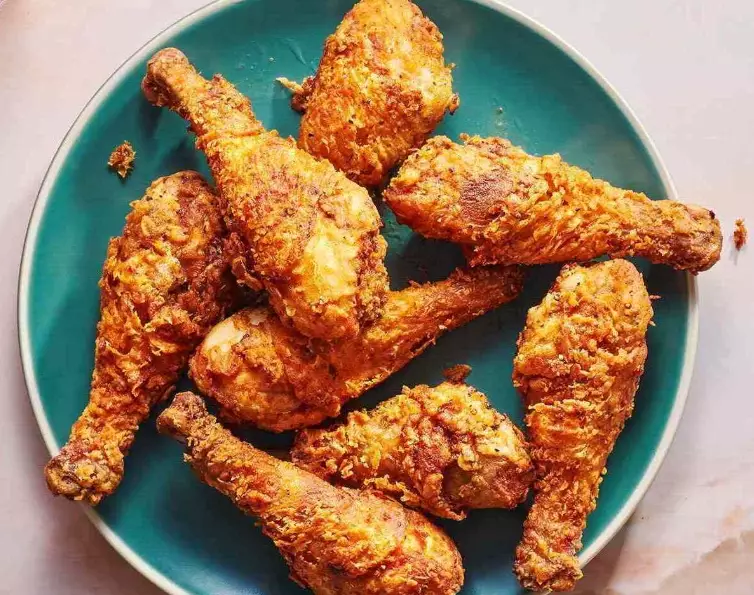
How Cooking Drastically Changes the Game
Raw numbers are one thing, but nobody eats raw chicken. Cooking methods alter weight, concentration of nutrients, and, crucially, fat content.
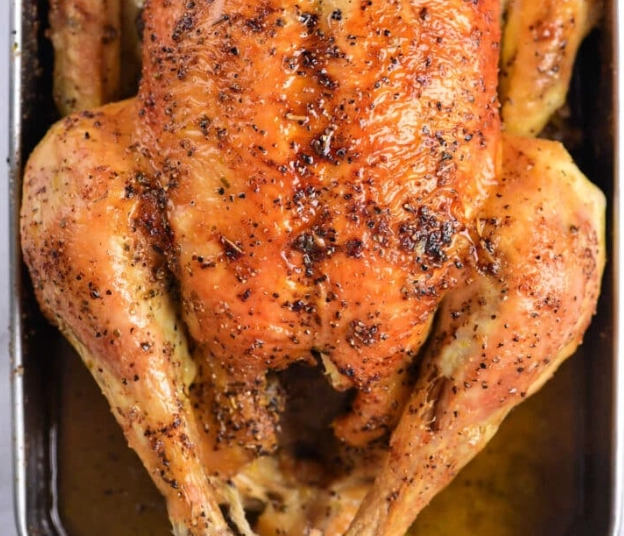
Baking/Roasting: This is one of the best methods. When you bake a drumstick at around 375°F (190°C), fat renders out from under the skin. If you place them on a rack, that fat drips away. The result? A finished drumstick that often has less fat per gram than the raw version because you've literally cooked some of it off. The protein becomes more concentrated.
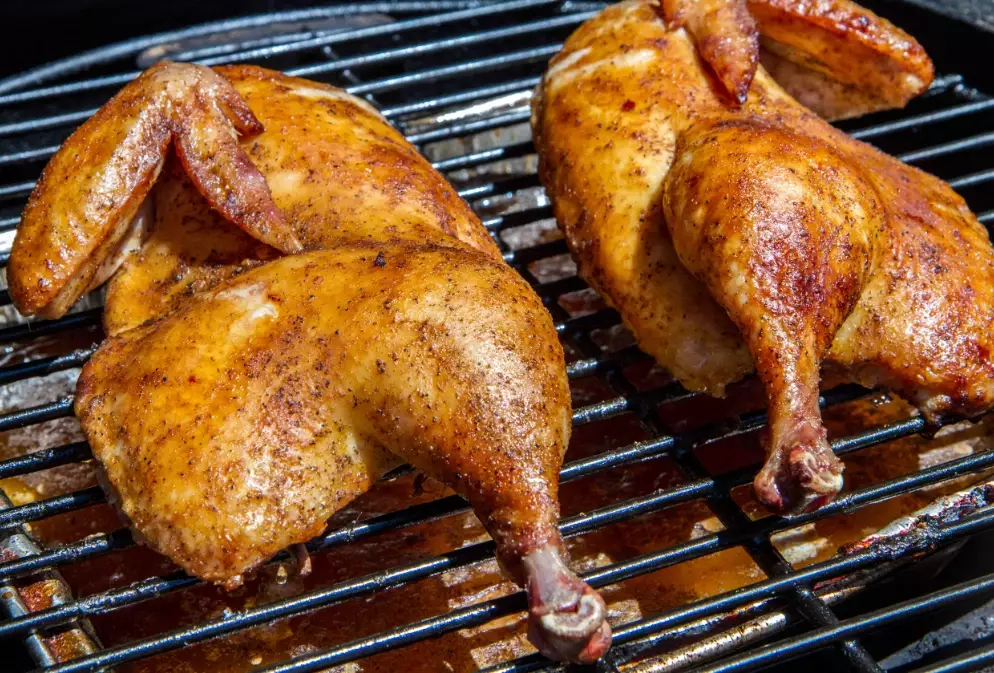
Grilling: Similar to baking, grilling allows fat to drip into the coals or flames. It also adds that smoky flavor without needing extra oil. A pro tip: keep the skin on while grilling to protect the meat from drying out, then remove it before eating if you want to reduce fat intake. You get the juiciness benefit without consuming all the fat.
Slow Cooking/Braising: Methods like making chicken stew or curry. Here, the fat often ends up in the cooking liquid or sauce. If you're careful, you can skim off the fat layer that rises to the top after refrigeration. The meat becomes incredibly tender and falls off the bone.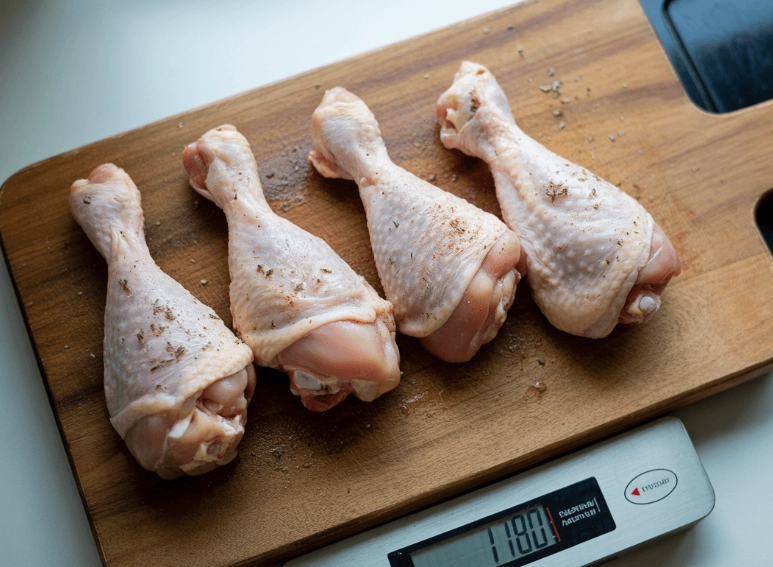
Frying: Obviously, this adds significant calories and fat from the oil and any batter. The nutrition facts fly out the window. An air fryer can mimic crispiness with just a fraction of the oil, making it a smart compromise.
The Skinny on the Skin: Let's say you bake two identical drumsticks. You eat one with the crispy skin (a chef's treat). You remove the skin from the other before eating. The one without skin could have 30-40% fewer calories and significantly less fat. It's the single biggest lever you can pull to change the meal's nutritional impact.
Drumstick vs. Breast vs. Thigh: The Protein Showdown
Is breast always better? Let's compare 100g of cooked, skinless meat from each popular cut. This evens the playing field.
| Cut (Cooked, Skinless) | Calories | Protein | Total Fat | Saturated Fat |
|---|---|---|---|---|
| Chicken Breast | ~165 kcal | ~31g | ~3.6g | ~1.0g |
| Chicken Thigh | ~209 kcal | ~26g | ~10.9g | ~3.0g |
| Chicken Drumstick | ~172 kcal | ~28g | ~5.7g | ~1.5g |
Look at that. The skinless drumstick is a fascinating middle ground. It's much closer to the breast in calories and saturated fat than it is to the thigh, while still offering more flavor and juiciness than the breast thanks to its connective tissue and slightly higher fat content.
The breast wins on pure protein density and leanness, no doubt. But if you struggle with dry, bland chicken breast, a drumstick gives you far more margin for error in cooking, stays moist, and provides a more satisfying eating experience for only a modest increase in fat. For many people, that trade-off is worth it for long-term diet adherence.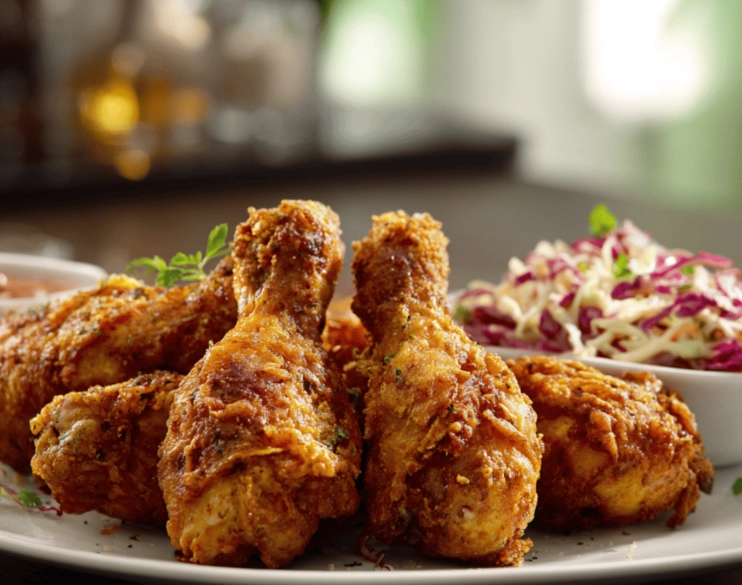
How to Cook Chicken Drumsticks for Maximum Health & Flavor
Knowing the facts is useless without application. Here’s how I integrate drumsticks into a healthy weekly routine.
The Weekly Prep Standard: Herb-Roasted Drumsticks
This is my go-to. It's foolproof and makes for great leftovers.
Pat 6-8 drumsticks dry. Toss them in a bowl with 1 tbsp olive oil, 2 tsp paprika, 1 tsp garlic powder, 1 tsp dried thyme, ½ tsp black pepper, and ½ tsp salt. Arrange on a baking rack set over a sheet pan (this is key for airflow and fat drainage). Bake at 400°F (200°C) for 40-45 minutes until the internal temperature hits 175°F (80°C) for optimal tenderness near the bone.
Why it works: The rack lets fat drip away. The high heat renders the fat and crisps the skin if you leave it on. Using a mix of spices instead of a sugar-based glaze keeps calories in check. Eat two for a high-protein meal with a big side of roasted veggies and a complex carb like quinoa.
The Flavor Bomb Without the Sugar: Lemon-Garlic Grill
Marinate drumsticks for 30 minutes in the juice of 2 lemons, 3 minced garlic cloves, 1 tbsp of Dijon mustard, 1 tbsp of olive oil, and fresh rosemary. Grill over medium heat, turning occasionally, for 25-30 minutes.
The acid in the lemon juice acts as a tenderizer. You get incredible tangy, savory flavor with zero added sugar that you find in most store-bought marinades. The fat that drips off on the grill is gone for good.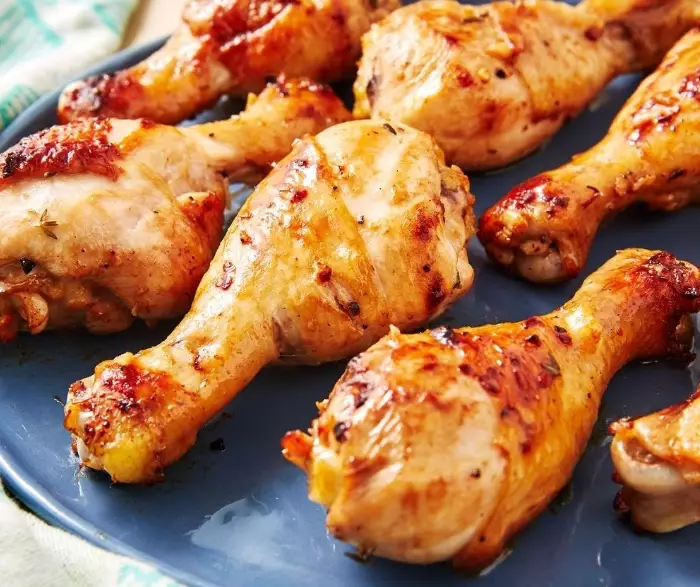
The "Set It and Forget It" Meal: Slow Cooker Moroccan
Place 6-8 drumsticks in a slow cooker. Add 1 diced onion, 1 can of chickpeas (drained), and 1 cup of dried apricots. Pour over a sauce made of 1 cup chicken broth, 2 tbsp tomato paste, 2 tsp cumin, 2 tsp cinnamon, 1 tsp ginger, and a pinch of saffron if you have it. Cook on low for 6-7 hours.
Before serving, skim any fat off the top of the sauce. The drumsticks become so tender the meat will literally slide off the bone into a fragrant, nutrient-dense stew. The bone adds flavor and minerals to the broth as it cooks. Serve over a small portion of couscous.
Your Drumstick Questions, Answered
Related Articles