The Ultimate Guide to Perfect Frozen Chicken Nuggets in the Oven
Let's be honest. We've all been there. You're hungry, the kids are hangry, and that bag of frozen chicken nuggets in the freezer is calling your name. The microwave turns them into rubbery, sad little pucks. The air fryer is great, but maybe you're cooking for a crowd or just don't own one. The oven is your best bet for crispy, juicy results, but it's surprisingly easy to mess up. I've spent more time than I'd like to admit perfecting this. It's not just "throw them on a tray and bake." A few small tweaks make the difference between a soggy letdown and a crispy, golden-brown win.
What You'll Learn in This Guide
Why the Oven Beats the Microwave (and Sometimes the Air Fryer)
I get it. The microwave is faster. But what you gain in two minutes, you lose in texture. Microwaves heat by exciting water molecules, which steams the nugget from the inside out. The result? A soft, sometimes chewy exterior that can't hold a sauce. The oven, on the other hand, uses dry, radiant heat. This creates the Maillard reaction—that complex chemical process responsible for browning and developing deep, savory flavors. It's the difference between boiled and roasted meat.
Now, the air fryer. It's fantastic. It's a mini convection oven that circulates hot air rapidly. For a single serving, it's hard to beat. But here's my non-consensus take: for a full family-sized bag, the traditional oven often does a more consistent job. Air fryer baskets can get overcrowded, leading to uneven cooking where some nuggets are perfect and others are still cold in the middle. A large, preheated baking sheet in a good oven gives everything ample space to crisp up evenly. If you're feeding more than two people, the oven is your reliable workhorse.
The Foolproof Step-by-Step Method for Crispy Nuggets
Follow this sequence. Skipping a step is where most people go wrong.
1. The Prep Work You Shouldn't Skip
Do not thaw your nuggets. This is the first big mistake. Baking them from frozen is crucial. Thawing lets the coating get soggy and can lead to uneven cooking. Pull the bag straight from the freezer.
Choose your weapon: A heavy, rimmed baking sheet. The rim prevents grease from dripping into your oven. Lining it is debated. Parchment paper makes cleanup a breeze but can sometimes trap a little steam, preventing maximum crispness on the bottom. A bare sheet pan greased with a tiny bit of oil (or use the grease from the nuggets themselves) gives the crispiest bottom. For most people, parchment is the practical choice. Never use foil without non-stick spray—the nuggets will weld themselves to it.
2. The Arrangement That Matters
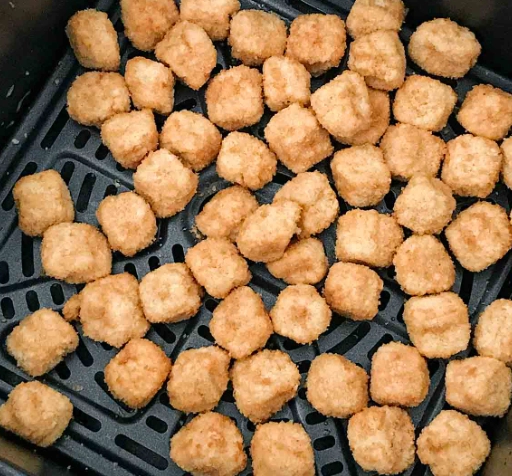
This isn't a "dump and spread" situation. Give each nugget some personal space. Crowding the pan is the #1 cause of steaming and sogginess. They should not be touching. This ensures the hot air can reach all surfaces to brown and crisp the coating.
3. The Flip (Yes, It's Mandatory)
Set a timer for halfway through the cooking time. When it goes off, take the pan out and flip each nugget with tongs. This ensures even browning on both sides. It takes 30 seconds and is non-negotiable for perfect color and texture.
The Critical Details: Oven Temperature & Timing
Package instructions are a starting point, but they often err on the side of caution, leading to overdone, dry nuggets. Here’s a breakdown based on my testing.
| Nugget Type / Brand (Example) | Recommended Oven Temp | Approx. Total Time (from frozen) | Key Visual Cue for Doneness |
|---|---|---|---|
| Standard Breaded Nuggets (e.g., Tyson, Great Value) | 400°F (200°C) | 14-18 minutes | Deep golden brown, coating looks crisp |
| Extra-Crispy or "Homestyle" Breaded | 425°F (220°C) | 16-20 minutes | Very crispy, darker brown coating |
| Grilled or "Healthier" Baked Nuggets (less fat) | 375°F (190°C) | 12-15 minutes | Lightly browned, firm to the touch |
| Air Fryer-Style Frozen Nuggets (designed for both) | Follow pkg. (often 400°F) | As per package | Check early to prevent over-browning |
My golden rule: Always preheat your oven. Putting frozen food into a cold oven is a disaster. It starts steaming before it starts crisping. Wait for the full preheat cycle to finish. An oven thermometer is a cheap tool that ensures your dial is accurate—mine was off by 25 degrees once, which explained a lot of mediocre results.
Going Beyond Basic: How to Make Your Nuggets Taste Amazing
You can absolutely elevate this simple food. Here are my favorite hacks.
The Seasoning Shake: As soon as the nuggets come out of the oven and are piping hot, toss them in a bowl with a tiny drizzle of oil (if needed) and your favorite seasoning blend. Everything Bagel seasoning, smoked paprika with a pinch of garlic powder, or even just some flaky sea salt makes a huge difference. The heat helps the seasoning stick.
The Finishing Oil: A light mist of olive oil or avocado oil spray on the nuggets after flipping them (about 5 minutes before they're done) can enhance browning and add a richer flavor, especially useful for leaner "baked" varieties.
Dipping Sauce Arsenal: Don't just settle for ketchup. Mix 2 parts mayo with 1 part sriracha. Combine honey and Dijon mustard. Thin out some ranch with a squeeze of lime. A quick yogurt-based herb sauce (yogurt, dill, lemon, garlic) can make it feel like a real meal.
I once had a bag of bland, generic nuggets. After baking, I tossed them in a mix of buffalo sauce and a pat of melted butter, then threw them back in for 2 minutes. They were transcendent. It's about working with what you have.
Food Safety and Storage: Getting It Right
You won't always eat the whole bag. Here's what to do.
Reheating Leftovers: The oven is again your friend. 350°F for 8-10 minutes will re-crisp them. The microwave will undo all your hard work. The air fryer at 370°F for 3-4 minutes is also excellent.
Can you refreeze cooked nuggets? Technically, yes, if they were cooled quickly and haven't been at room temperature for more than 2 hours. But the quality nosedives. The coating gets soggy upon thawing and re-reheating. I don't recommend it. Cook what you need.
How long do cooked nuggets last? In a sealed container in the fridge, they're good for 3-4 days. Let them cool completely before storing to prevent condensation from making them soggy.
Your Top Nugget Questions Answered
Related Articles