Chicken Thighs: White or Dark Meat? The Definitive Guide
Let's cut to the chase: chicken thighs are dark meat. If you've ever wondered why they're juicier and more flavorful than chicken breasts, it all boils down to biology. In this guide, I'll break down the science, nutrition, and cooking secrets that make chicken thighs a kitchen staple. I've been cooking poultry for over a decade, and I've seen too many people misunderstand this basic fact—leading to dry, disappointing meals. We'll fix that.
What You'll Learn in This Guide
The Science Behind White and Dark Meat
White meat and dark meat aren't just color differences—they're about muscle function. Chickens use their legs and thighs for standing and walking, which requires slow-twitch muscle fibers. These fibers have more myoglobin, a protein that stores oxygen, giving the meat a darker hue. In contrast, breast muscles are for short bursts like flapping, so they're fast-twitch with less myoglobin, resulting in lighter meat.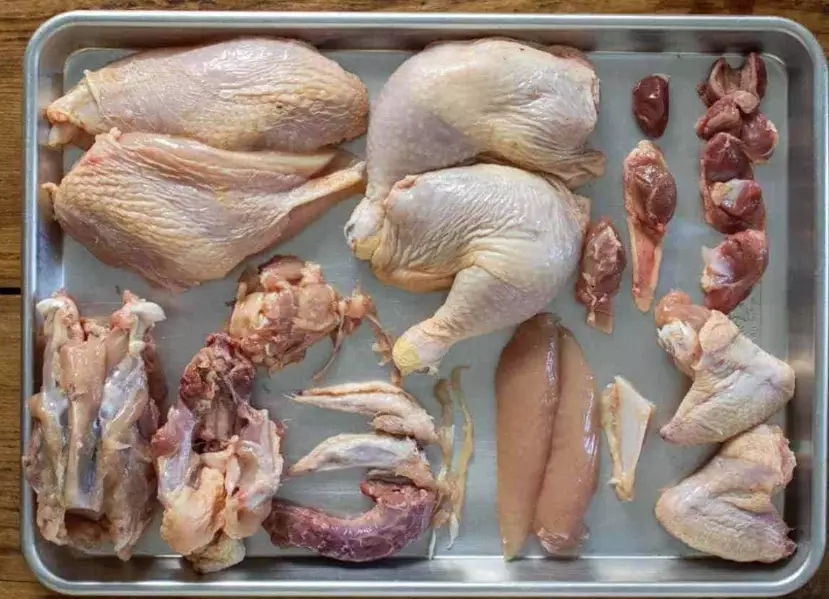
I remember a friend once insisted that all chicken meat turns white when cooked. That's a myth. Dark meat stays darker because of the myoglobin content, even after cooking. According to the USDA, this classification is based on anatomical location and muscle usage, not just preference.
Why Chicken Thighs Are Classified as Dark Meat
Chicken thighs come from the leg section, specifically the upper part. They're packed with connective tissue and fat, which contributes to their rich flavor and tenderness. Compared to chicken breasts, thighs have a higher fat content—about 10-15 grams per 100 grams, depending on whether they're skin-on or boneless.
Here's a quick comparison to drive the point home:
- Chicken breasts: White meat, from the pectoral muscles, leaner and drier.
- Chicken thighs: Dark meat, from the leg muscles, juicier and more flavorful.
- Chicken wings: Often considered white meat, but the drumettes can have dark meat characteristics.
In my experience, many home cooks avoid thighs because they think dark meat is unhealthy. That's a mistake we'll debunk later.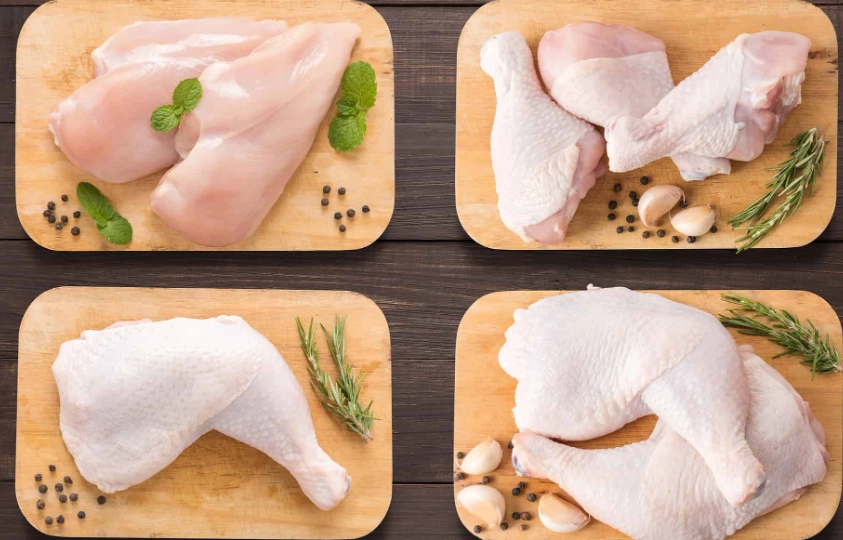
Nutritional Profile: Chicken Thighs vs. White Meat
Let's get specific. Nutritional data from sources like the USDA FoodData Central shows that chicken thighs aren't just about taste—they offer unique benefits. Below is a table comparing 100-gram servings of skinless, boneless chicken thigh and breast, cooked.
| Nutrient | Chicken Thigh (Dark Meat) | Chicken Breast (White Meat) |
|---|---|---|
| Calories | 209 kcal | 165 kcal |
| Protein | 26g | 31g |
| Total Fat | 10g | 3.6g |
| Saturated Fat | 2.8g | 1.0g |
| Iron | 1.3mg | 0.9mg |
| Zinc | 2.4mg | 1.0mg |
Thighs have more fat, but it's not all bad—the extra fat means more flavor and moisture. They're also richer in iron and zinc, which are crucial for energy and immunity. If you're on a low-fat diet, breasts might be better, but for most people, thighs provide a balanced option. I often recommend thighs for families because kids tend to prefer the juiciness over dry breast meat.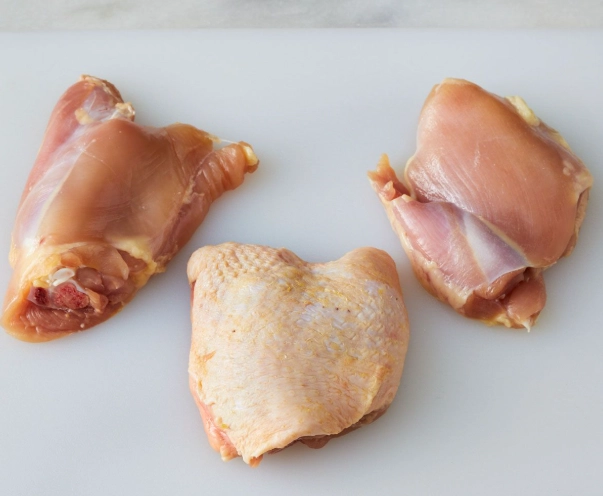
How to Cook Chicken Thighs Perfectly
Cooking chicken thighs is forgiving, but a few tweaks can elevate them from good to great. Over the years, I've developed a method that avoids the common pitfall of undercooking or drying them out.
Step-by-Step Guide for Pan-Seared Chicken Thighs
Start with bone-in, skin-on thighs—they retain more moisture. Pat them dry with paper towels; this is key for crispy skin. Season generously with salt and pepper. Heat a skillet over medium-high heat with a tablespoon of oil. Place thighs skin-side down and cook for 6-8 minutes until golden brown. Flip and cook for another 6-8 minutes. Use a meat thermometer to ensure internal temperature reaches 165°F (74°C), as recommended by food safety guidelines.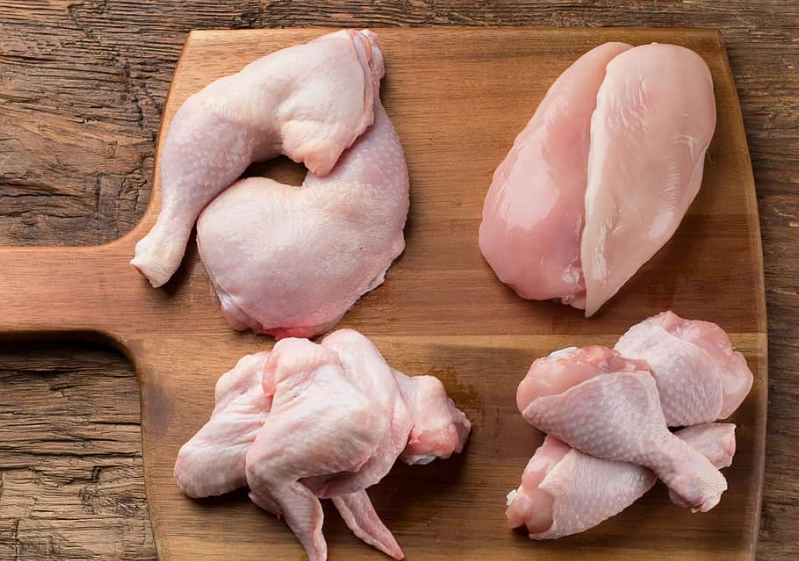
One trick I've learned: let them rest for 5 minutes after cooking. This allows juices to redistribute, preventing dryness. I've seen recipes that skip this, and the meat ends up tough.
Baking and Grilling Variations
For baking, preheat oven to 400°F (200°C). Place thighs on a baking sheet, skin-side up, and bake for 25-30 minutes. For grilling, keep the heat medium and grill for 10-12 minutes per side. Marinating thighs in acidic ingredients like lemon juice or yogurt can tenderize them further—something I picked up from a chef friend who swears by it.
Common Misconceptions About Chicken Thighs
Many believe dark meat is inherently unhealthy or only for indulgent meals. That's not true. While thighs have more fat, it's mostly unsaturated fat, which can be part of a healthy diet. Another myth: dark meat takes longer to cook. Actually, due to the fat content, thighs cook at a similar rate to breasts if sized properly.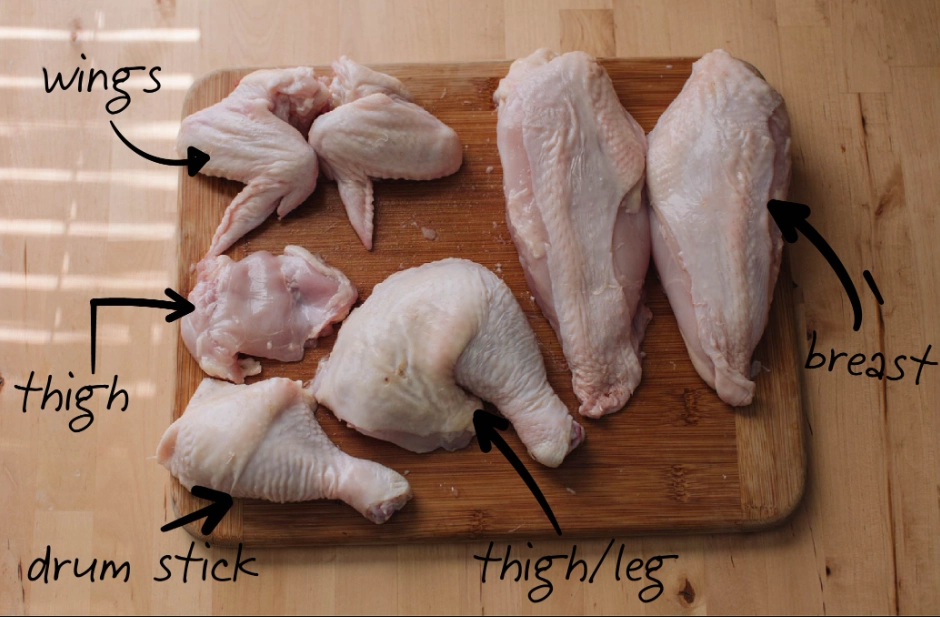
A subtle error I've noticed: people remove the skin to save calories, but then overcook the meat, making it dry. Keeping the skin on during cooking helps lock in moisture—you can always remove it before eating. This is a small change that makes a big difference.
Frequently Asked Questions (FAQ)
Wrapping up, chicken thighs are a versatile, flavorful dark meat option that deserves a spot in your kitchen. Whether you're grilling, baking, or pan-searing, understanding their nature helps you cook them better. Don't let myths hold you back—experiment and enjoy the juiciness.
Related Articles