How to Cook Whole Chicken Perfectly: Step-by-Step Guide & Recipes
What You'll Learn
Cooking a whole chicken might seem daunting, but it's one of the most rewarding skills in the kitchen. Get it right, and you have a juicy, flavorful centerpiece for dinner, plus leftovers for days. I've been cooking whole chickens for over a decade, and I've seen all the pitfalls—from dry breast meat to uneven cooking. Let's cut through the noise and focus on what actually works.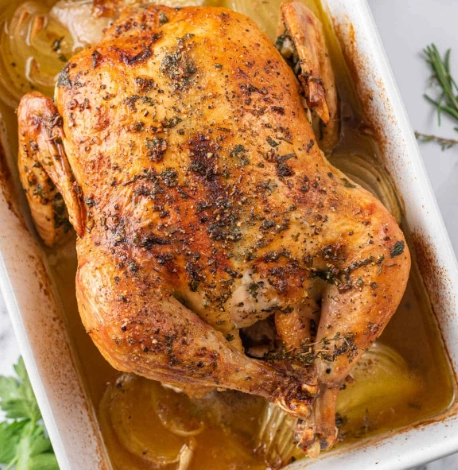
Why Cook a Whole Chicken?
Economical and versatile. A whole chicken costs less per pound than pre-cut parts, and you can use every bit—meat for meals, bones for stock. It's a staple for meal prep. But many home cooks shy away, fearing it's complicated. It's not. With a few key steps, you can master it.
Think about it: a perfectly roasted chicken with crispy skin and moist meat beats any takeout. Plus, you control the ingredients, avoiding excess salt and preservatives.
Essential Tools and Ingredients
You don't need fancy gear. A roasting pan, meat thermometer, and sharp knife are basics. For ingredients, start with a good-quality chicken. I prefer organic or free-range for better flavor, but any whole chicken works.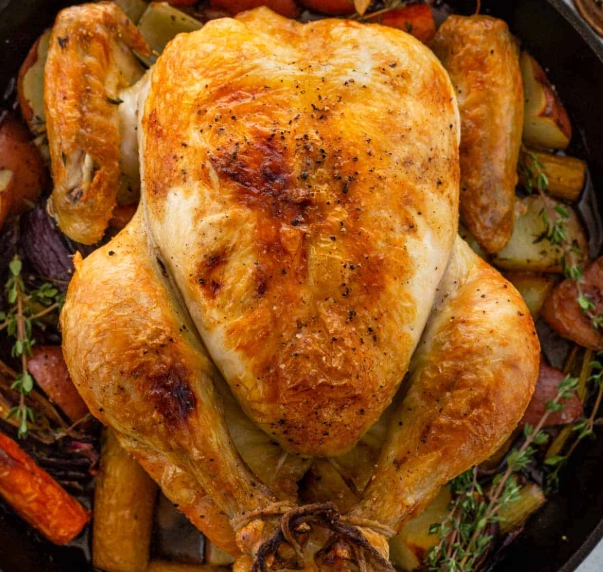
Seasonings are where creativity kicks in. Salt, pepper, garlic, herbs like rosemary or thyme. Olive oil or butter for basting. That's it. No need for complex marinades unless you want to experiment.
Step-by-Step Roasting Method
Roasting is the most common way to cook whole chicken. Here's a foolproof method I've refined over years.
Preparation and Trussing
Remove giblets from the cavity. Rinse the chicken inside and out, then dry thoroughly. Trussing—tying the legs—helps cook evenly. But honestly, I often skip it. If you're short on time, just tuck the wings under. The key is to let the chicken sit at room temperature for 30 minutes before cooking. Cold chicken cooks unevenly.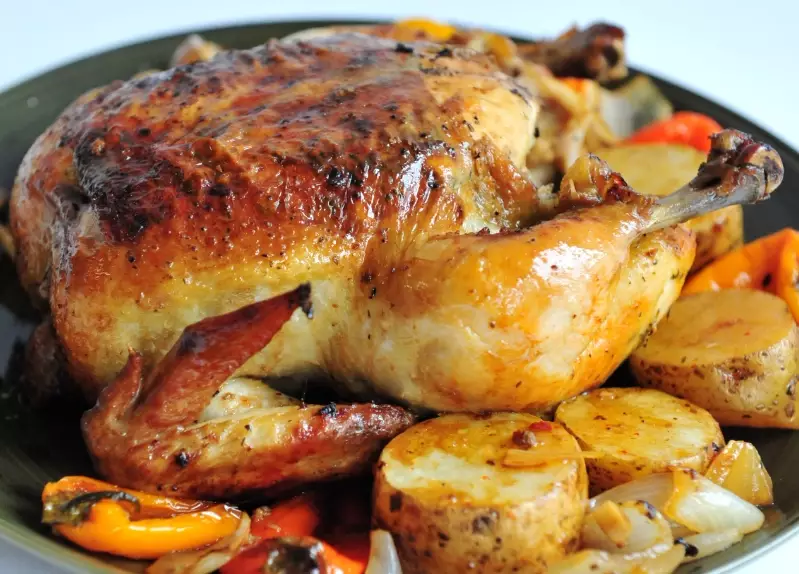
Seasoning for Maximum Flavor
Don't just sprinkle salt on top. Season under the skin. Gently loosen the skin over the breast and rub seasoning directly on the meat. Add herbs and garlic in the cavity. This infuses flavor from the inside out. I mix salt, pepper, and smoked paprika for a simple rub.
Cooking Time and Temperature
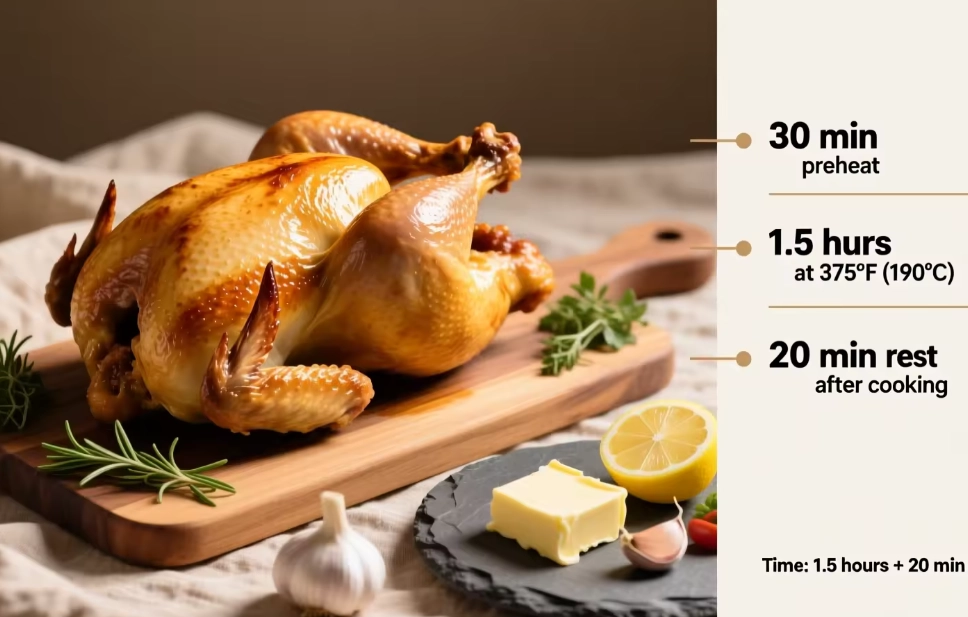
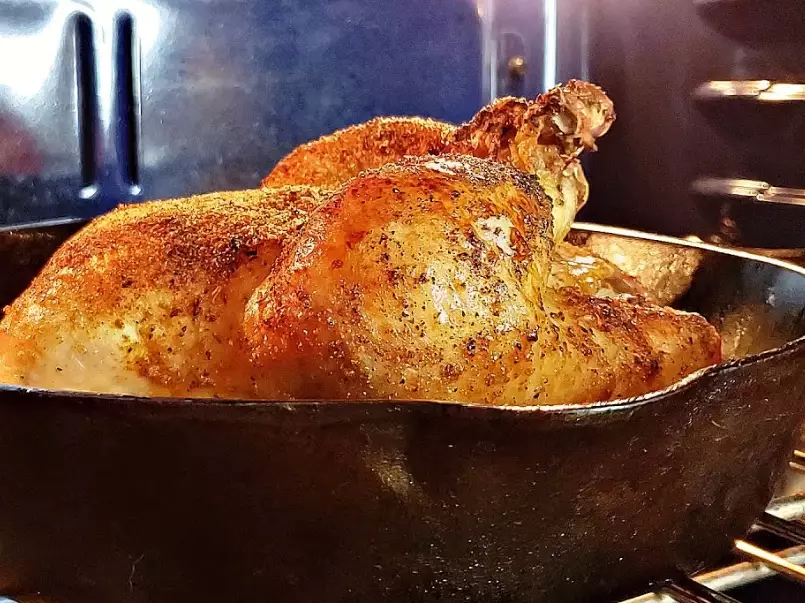
Preheat oven to 425°F (220°C). Place chicken breast-side up in a roasting pan. Roast for 15 minutes, then reduce heat to 375°F (190°C). Cook for about 20 minutes per pound. Use a meat thermometer inserted into the thickest part of the thigh—it should read 165°F (74°C). According to the USDA, this is the safe internal temperature for poultry.
Rest the chicken for 15 minutes before carving. This lets juices redistribute. Cutting too soon releases all that moisture, leaving you with dry meat.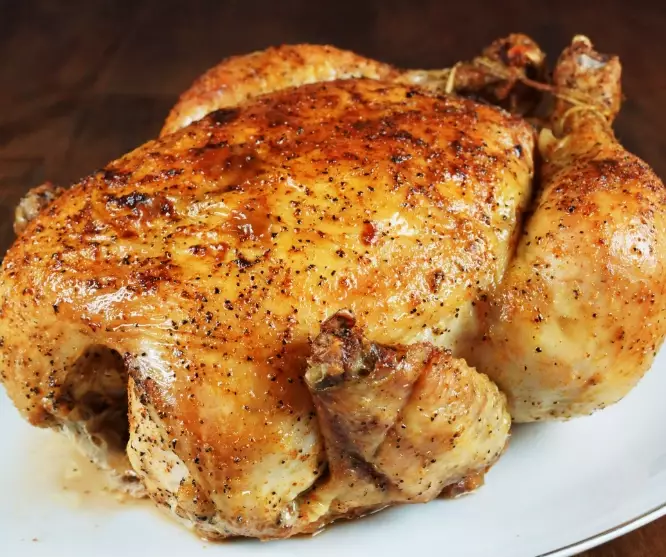
Other Cooking Methods Explained
Roasting isn't the only way. Each method has pros and cons. Here's a quick comparison.
| Cooking Method | Approx. Time | Best For | Key Tip |
|---|---|---|---|
| Roasting | 1.5 hours | Crispy skin, even cooking | Use high heat initially for browning |
| Grilling | 1 hour | Smoky flavor, summer meals | Indirect heat to avoid burning |
| Slow Cooking | 4-6 hours | Tender, fall-off-the-bone meat | Add liquid to prevent dryness |
| Instant Pot | 30 minutes | Quick, juicy results | Use a trivet to keep chicken above liquid |
Grilling gives a charred exterior, but you need to manage heat zones. Slow cooking is forgiving but won't yield crispy skin. I love using an Instant Pot for busy weekdays—it's faster, but the texture is different.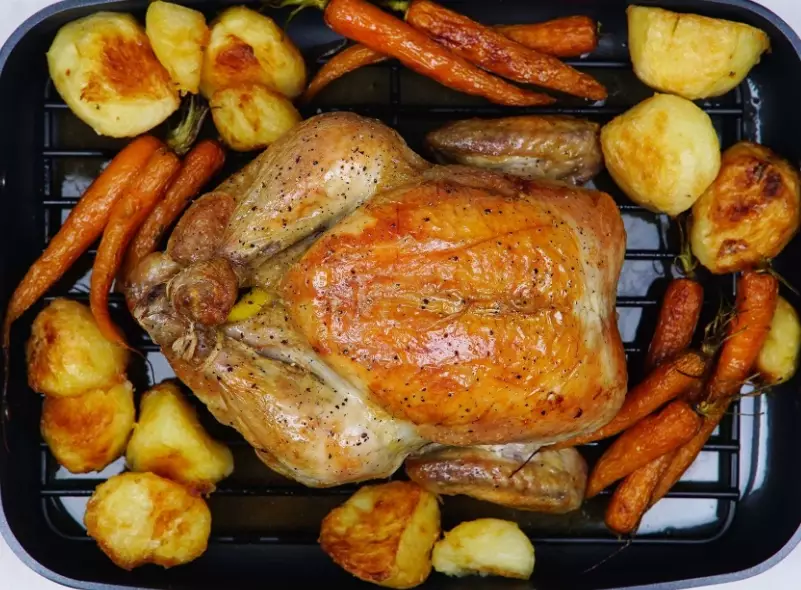
Common Mistakes and How to Avoid Them
Most errors come from rushing or overlooking details. Here are the big ones.
- Not drying the skin: Wet skin steams instead of crisping. Pat it dry.
- Skipping the rest period: I've done this—impatience leads to dry chicken. Wait those 15 minutes.
- Overcooking the breast: The breast cooks faster than thighs. To counter this, place chicken breast-side down for the first half of roasting, then flip. Or, brine the chicken beforehand for extra moisture.
A non-consensus view: many recipes say trussing is essential. I find it doesn't make a huge difference for home cooks. Focus on temperature control instead.
Recipe Variations for Global Flavors
Once you master the basics, experiment with flavors. Here are three simple variations.
Lemon-Herb Chicken: Stuff cavity with lemon halves, garlic, and fresh thyme. Rub with olive oil, salt, and pepper. Roast as usual. The lemon steam keeps meat moist.
Spicy Mexican Style: Mix chili powder, cumin, and oregano for a rub. Add orange juice to the pan for a tangy glaze. Serve with salsa.
Asian-Inspired Soy Ginger: Marinate chicken in soy sauce, ginger, and honey for an hour before cooking. Baste during roasting for a sticky glaze.
These take minimal extra effort but transform the meal. I often make the lemon-herb version for family dinners—it's a crowd-pleaser.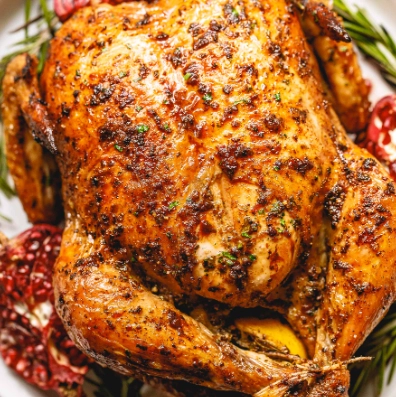
Frequently Asked Questions
Related Articles