The Ultimate Guide to Whole Chicken Cooking Time: Get It Right Every Time
Let's be honest. The single biggest question hanging over your kitchen when you pull a whole chicken out of the fridge isn't about seasoning or stuffing. It's the simple, nagging worry: "How long does this need to cook?" Get it wrong, and you're facing a dinner disaster—either a dry, chewy bird or, worse, undercooked meat that's a safety hazard. After roasting more chickens than I can count (and yes, messing up a fair share early on), I've learned that nailing the whole chicken cooking time is less about memorizing a single magic number and more about understanding a few key principles. This guide strips away the guesswork. We'll dive into precise times for roasting, grilling, braising, and more, but more importantly, we'll cover the why behind those times so you can adapt and succeed no matter what your kitchen throws at you.
What's Inside This Guide?
How Long to Roast a Whole Chicken (The Definitive Guide)
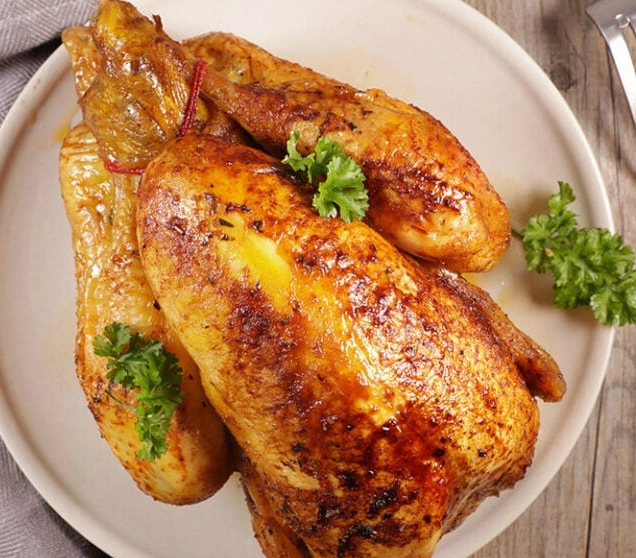
Roasting is the king of whole chicken methods. It's simple and delivers that iconic crispy skin and tender meat. Forget the old "20 minutes per pound" rule—it's a starting point that fails too often. The real answer depends on your oven's temperature and the chicken's starting state.
Here's the core principle: You cook to temperature, not just to time. Time is your estimated guide; a good meat thermometer is your truth-teller. That said, here's a reliable table to plan your meal around. These times are for a standard 3.5 to 4.5 lb (1.6 to 2 kg) chicken, patted dry, seasoned, and placed on a rack in a roasting pan. The chicken should start at a cool refrigerator temperature, not room temperature (a common but debated practice).
| Oven Temperature | Estimated Total Cooking Time | What You Get |
|---|---|---|
| 350°F (175°C) | 1 hour 20 mins - 1 hour 40 mins | The classic, gentle roast. Even cooking, very forgiving, excellent for beginners. Skin may be less crisp unless finished at high heat. |
| 375°F (190°C) | 1 hour 10 mins - 1 hour 30 mins | My personal sweet spot. Balances a quicker cook with good browning. Reliable for juicy meat and decent skin. |
| 400°F (200°C) | 1 hour - 1 hour 20 mins | Faster and better for crispy skin. Requires more attention to prevent the breast from drying out before the thighs are done. |
| 425°F-450°F (220°C-230°C) | 45 mins - 1 hour 10 mins | High-heat, fast roast. Super crispy skin. High risk of uneven cooking and burning herbs/butter. Best for spatchcocked chickens. |
See how a 50-degree oven jump can shave 20-30 minutes off your total time? That's crucial for weeknight planning.
The Spatchcocking Game-Changer
If you want to cut your cooking time dramatically and get perfectly even meat, you need to try spatchcocking. It means removing the backbone and flattening the chicken. It looks a bit savage, but it works.
A spatchcocked 4lb chicken at 425°F (220°C) will cook in 40 to 50 minutes flat. That's nearly half the time of a traditional roast. Why? The bird is flat, so all parts are equally exposed to the heat. No more dry breast waiting for the thighs to catch up. It's the method I use 9 times out of 10 now.
Pro-Tip: The biggest variable no one talks about? Whether you open the oven door. Peeking every 10 minutes drops the oven temp significantly, adding 10-15 minutes to your total cook. Use the light and window. Trust the process and the timer.
How to Check if Your Whole Chicken is Done
This is where people panic. The "juices run clear" test is notoriously unreliable. A slightly pink tinge near the bone can be fine, while clear juices can still flow from undercooked poultry.
There's only one method that never lies: an instant-read digital meat thermometer. Don't have one? Go buy one. It's the best $20 you'll spend for kitchen confidence.
- Where to Insert: Aim the probe into the thickest part of the thigh, making sure not to touch the bone. Also check the thickest part of the breast.
- The Magic Number: The U.S. Department of Agriculture (USDA) recommends cooking all poultry to a safe minimum internal temperature of 165°F (74°C). Hit that in the thigh and breast, and you're guaranteed safe.
But here's a chef's secret for even juicier meat: Pull the chicken out of the oven when the thigh reads 160°F-162°F (71°C-72°C). The temperature will continue to rise 5-10 degrees as it rests (called carryover cooking), bringing it safely to 165°F+ without overcooking. The breast should be at least 155°F (68°C) when you pull it.
Let it rest for 15-20 minutes tented with foil. This allows the frantic juices to settle back into the meat fibers. If you cut immediately, all those juices end up on the cutting board, not in your mouth.
Cooking Times for Other Methods: Grill, Braise, Slow Cooker
Your oven isn't the only game in town. Each method changes the whole chicken cooking time equation completely.
Grilling a Whole Chicken
Grilling gives incredible smoky flavor. The key is indirect heat. Light burners on one side of your gas grill or pile charcoal on one side. Place the chicken on the cool side, away from direct flames.
Estimated Time: 1 hour to 1 hour 30 minutes for a 4lb bird, with the lid closed. Grill temperature should be around 350°F-375°F (175°C-190°C). Again, the thermometer is king. You can finish it over direct heat for 5-10 minutes to crisp the skin.
Braising or Stewing a Whole Chicken
This is the method for fall-off-the-bone tenderness and making your own stock simultaneously. Submerge the chicken in liquid (broth, wine, water with aromatics) in a heavy pot.
Estimated Time: Simmer gently on the stovetop for about 1 hour to 1 hour 15 minutes. The meat will be incredibly tender, but the skin will be soft, not crispy. Perfect for chicken soups or tacos where you'll shred the meat.
Slow Cooker Whole Chicken
It's hands-off but won't give you crispy skin. Place the chicken in the slow cooker (often it fits better if you remove some backbone pieces). Add a little liquid.
Estimated Time: 4-5 hours on HIGH or 6-8 hours on LOW for a 3-4lb chicken. The meat will be very tender but pale. I usually throw it under a hot broiler for 5 minutes after to get some color on the skin.
Watch Out: A frozen whole chicken is your biggest time-wrecker. A 4lb frozen solid chicken can take 4-5 extra hours to cook safely in the oven, leading to disastrously dry results. Always thaw completely in the fridge for 24-48 hours before cooking. Cold water thawing is faster but requires more attention.
Common Mistakes That Wreck Your Cooking Time
I've made these, you've probably made these. Let's avoid them.
Stuffing the Cavity. That beautiful herb and bread stuffing? It acts as an insulator, blocking heat from reaching the inner thigh meat. This can add 20-30 minutes to your roasting time and often leaves the stuffing soggy and unsafe. Cook stuffing separately.
Not Trussing (or Trussing Too Tight). Tying the legs together helps the bird keep a neat shape. But if you truss it like a hostage, the legs are pressed tight against the body, shielding them from heat. This makes the thighs take longer to cook than the exposed breast. A loose truss or just tying the ankles together is enough.
Cooking Straight from the Fridge. While I don't recommend hours on the counter, a 30-minute rest on the counter to take the deep chill off leads to more even cooking. A stone-cold bird straight from the fridge can cause the outer layers to overcook before the interior is done.
Relying on a Pop-Up Timer. Those little plastic gadgets that come with some chickens are notoriously inaccurate. They usually pop at 180°F+ (82°C+), which is way past the 165°F safety mark and deep into dry chicken territory. Rip it out and throw it away before cooking.
Your Whole Chicken Cooking Time Questions, Answered
So, there you have it. Whole chicken cooking time isn't a mystery. It's a combination of weight, oven temperature, method, and, most crucially, the internal temperature of the meat. Ditch the anxiety, grab a thermometer, and use this guide as your reference. A perfectly cooked, juicy whole chicken for Sunday dinner or a simple weeknight meal is now reliably within your reach.
Related Articles