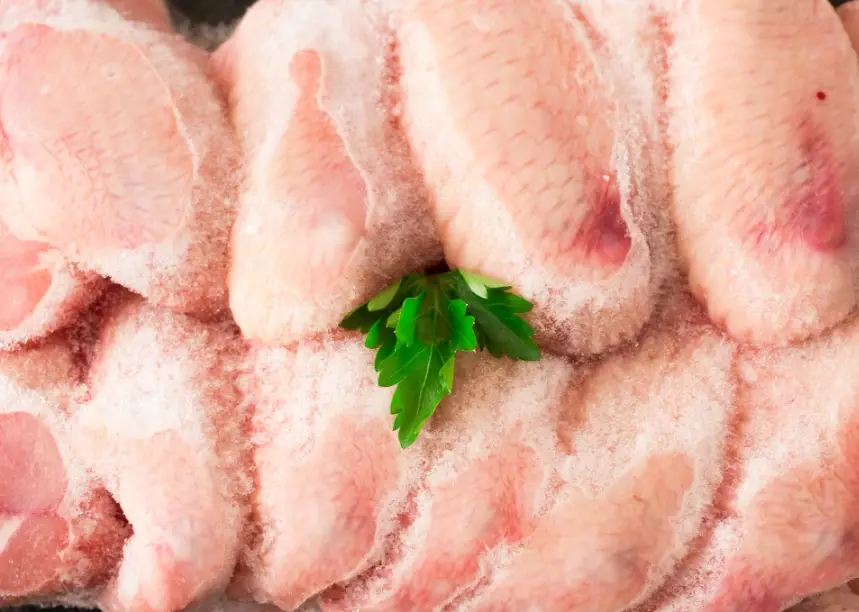
Chunk Chicken Breast: The Ultimate Guide to Cutting & Cooking
Let's cut to the chase. If you're buying whole chicken breasts and throwing them straight into a pan, you're working harder than you need to. Chunking chicken breast—cutting it into uniform, bite-sized pieces—isn't just a prep step. It's a total game-changer for weeknight dinners. I've been cooking professionally for over a decade, and this single technique saves more time and prevents more dry, overcooked chicken than almost anything else in my toolkit. This guide will show you exactly how to master it, from the knife skills everyone gets wrong to the recipes that make it shine.
What You'll Learn Inside
Why Chunking Chicken Breast is a Game-Changer
It seems simple, right? Cut up the chicken. But the benefits are massive, especially if you're trying to eat healthy on a busy schedule.
Even Cooking: This is the big one. A whole breast is thick at one end and thin at the other. By the time the thick part is cooked through, the thin end is dry and tough. Uniform chunks cook at the same rate, giving you juicy, tender pieces every single time.
Speed: Smaller pieces mean less cooking time. A stir-fry or skillet meal with chunks is ready in 8-10 minutes, not 20-25. That's the difference between eating at 7 PM or 7:30 PM when you're already hangry.
Better Texture and Flavor Absorption: More surface area means more places for a delicious marinade or seasoning to stick. It also means more of that desirable browned, caramelized crust (the Maillard reaction, if you want to get technical) in every bite.
Meal Prep King: Chunk a few pounds of chicken on Sunday, and you've got the protein base for salads, grain bowls, pasta, and wraps ready to go all week. It freezes beautifully raw or cooked.
Portion Control Made Easy: It's simpler to eyeball a 4-ounce serving when it's in pieces rather than guessing with a whole breast.
My Pet Peeve: Recipes that just say "cut chicken into chunks" without specifying size. "Chunk" is vague. For most applications, you're aiming for 1-inch to 1.5-inch pieces. Much bigger, and you lose the speed benefit. Much smaller, and they can easily overcook and become rubbery.
How to Perfectly Chunk Chicken Breast (Step-by-Step)
Here's where most home cooks mess up. They start hacking at a slippery, curved piece of meat. Follow this sequence for clean, even pieces.
1. Start with a Semi-Frozen Breast (The Secret). This is my non-negotiable tip. If the chicken is very cold or slightly frozen (15-20 minutes in the freezer works), it firms up. It's infinitely easier to handle and cut precisely. A fully thawed, floppy breast is your enemy.
2. Pat it Dry. Use paper towels. Moisture is the enemy of browning and makes the chicken slippery.
3. Find the Tendon and Remove It. On the underside, you'll see a tough, white tendon running along the longer side. Slide your knife under it and use your fingers to pull it off. It's chewy and unpleasant if left in.
4. "Butterfly" or Flatten the Thick End. Don't just start cubing. Lay the breast flat. See how one end is much thicker? Place your hand on top and carefully slice horizontally through the thick part, stopping about an inch from the edge, and open it like a book. You've now created a more even thickness. This step is almost always skipped, and it's why people get uneven chunks.
5. Cut into Strips. With the breast now relatively even in thickness, slice it lengthwise into long strips, about 1 to 1.5 inches wide.
6. Cut Across into Cubes. Gather a few strips together, turn them 90 degrees, and cut across to create your final chunks.
Why not cut it all at once? You can, but the strip-then-cube method gives you far more control over the final size. A sharp chef's knife or santoku is your best friend here. A dull knife will crush the fibers.
Let the cut chicken sit on a paper towel-lined plate for a minute before cooking. You'd be surprised how much extra moisture it draws out, which again, helps with browning.
3 Key Cooking Methods for Chicken Chunks
Once you have your perfect chunks, how do you cook them? The method depends entirely on the dish you're making.
| Method | Best For | Key Technique & Time | Pro Tip |
|---|---|---|---|
| Sautéing / Pan-Frying | Stir-fries, pasta dishes, salads, quick skillet meals. | High heat, oiled pan. Cook in a single layer (don't crowd!). 6-8 minutes total, tossing occasionally. | Get the pan screaming hot before adding oil, then chicken. The chicken should sizzle loudly on contact. Crowding steams the chicken. |
| Baking / Roasting | Meal prep, sheet-pan dinners, adding to casseroles. | 400°F (200°C) oven. Toss chunks with oil & seasoning on a parchment-lined sheet. 12-15 minutes. | Toss halfway through. Line the pan with parchment for easy cleanup. The chunks won't get as browned as pan-frying but cook very evenly. |
| Poaching / Simmering | Soups, stews, chicken salad, dishes where ultra-tender, shreddable chicken is needed. | Gently simmer in broth or seasoned water for 8-10 minutes until just cooked through. | Don't boil aggressively. Let the chunks cool in the liquid for maximum juiciness. This method is foolproof for preventing dryness. |
I lean towards sautéing for a standard weeknight. The high heat creates flavor quickly. Baking is my go-to for hands-off meal prep—I can roast a big batch while doing other things.
5 Quick & Flavorful Recipes to Try Tonight
Here are five concrete ways to use your chicken chunks. These are frameworks you can adapt.
1. Classic Lemon Garlic Herb Chicken
This is your universal weeknight saver. Toss 1 lb of chunks with 2 tbsp olive oil, the zest and juice of 1 lemon, 3 minced garlic cloves, 1 tsp dried oregano, salt, and pepper. Let marinate for 15 minutes (or up to 2 hours). Sauté in a hot skillet for 6-8 minutes. Finish with a handful of fresh parsley. Serve over rice, quinoa, or with roasted veggies.
2. 10-Minute Thai Basil Stir-Fry
Heat 1 tbsp oil in a wok or large skillet over high heat. Add chunks and stir-fry for 5 minutes until mostly cooked. Push to the side, add 1 tbsp more oil, 2 minced garlic cloves, and 1-2 chopped Thai chilies (or 1/2 tsp red pepper flakes). Stir for 30 seconds. Add 2 tbsp oyster sauce, 1 tbsp soy sauce, and 1 tsp fish sauce. Toss everything together. Off heat, stir in a big handful of fresh Thai basil leaves (regular basil works in a pinch). Serve with jasmine rice.
3. One-Pan Mediterranean Chicken & Veggies
Toss chunks with 1-inch pieces of bell pepper, red onion, and zucchini. Drizzle with 3 tbsp olive oil, 2 tsp dried Italian seasoning, 1 tsp smoked paprika, salt, and pepper. Spread on a sheet pan. Roast at 400°F for 15 minutes, tossing once. Crumble some feta cheese over the top in the last 2 minutes. Done.
4. Creamy Dill Chicken (No Cream)
Sauté chunks until golden. Remove from pan. In the same pan, sauté 1/2 a diced onion until soft. Add 1 cup chicken broth and scrape up any browned bits. Stir in 1/2 cup plain Greek yogurt (full-fat for best results) and 2 tbsp fresh dill. Return chicken to pan, simmer for 2-3 minutes to heat through and thicken slightly. Sauce will be tangy and light. Great over egg noodles.
5. Buffalo Chicken Salad Boats
Poach or bake your chunks. Let cool slightly, then shred or chop. Mix with just enough Buffalo sauce to coat (start with 2-3 tbsp). Add diced celery and a spoonful of blue cheese crumbles or ranch dressing. Serve in lettuce cups (romaine or butter lettuce) for a low-carb lunch.
Your Chunk Chicken Breast Questions Answered
Related Articles