Grilled Chicken Strips: The Ultimate Guide to Perfect, Healthy Meals
Let's talk grilled chicken strips. You've probably had them – maybe at a casual restaurant, tossed in a salad, or as a quick protein fix. They seem simple enough, right? Just chicken on a grill. But here's the thing: the gap between a dry, chewy strip and a juicy, flavor-bomb piece of chicken is wider than you think. I've been grilling for over a decade, and I've made every mistake in the book so you don't have to. This guide isn't just about cooking chicken; it's about mastering a versatile, healthy staple that can save your weeknight dinners and impress at weekend barbecues.
What You'll Find Inside
- Why Grilled Chicken Strips Rule (Beyond Just Being Healthy)
- Selecting and Preparing Your Chicken: The First Critical Step
- Marinade Magic: Formulas, Not Just Recipes
- Grilling Mastery: Heat, Time, and the Tools You Need
- Top Restaurant Picks for When You Don't Want to Cook
- Storing and Reheating Like a Pro
- Your Grilled Chicken Strips Questions, Answered
Why Grilled Chicken Strips Rule (Beyond Just Being Healthy)
Sure, they're a lean protein. The USDA notes chicken breast is low in saturated fat. But their real power is in their utility. They cook fast, absorb flavors like a dream, and fit into virtually any meal.
Think about your lunch tomorrow. Salad? Toss in some strips. Wrap? Obviously. Pasta? Yes. Grain bowl? Perfect. They're the ultimate meal prep champion because they reheat well without turning into rubber – if you do it right, which we'll get to.
Most recipes online get one thing wrong: they treat all chicken strips the same. A strip cut from the thick part of a breast behaves differently than one from the thin end or from a tenderloin. Ignoring this leads to uneven cooking. We won't.
Selecting and Preparing Your Chicken: The First Critical Step
You can't build a great dish on a shaky foundation. Start here.
How to Cut Uniform Strips
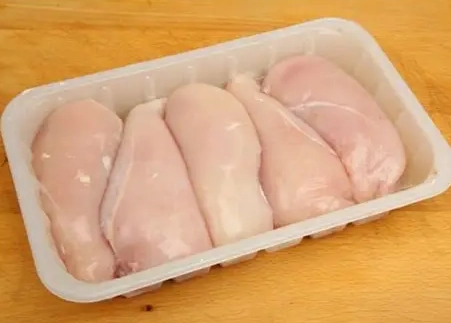
Place the breast flat. Notice it's thicker on one end. Slice it horizontally into two even slabs first. Then, cut each slab into 1-inch wide strips, cutting against the grain. See the parallel muscle fibers? You want to cut across them, not with them. This makes the final strip much more tender to bite into.
The Pat-Dry Non-Negotiable
This is the most skipped step with the biggest impact. Take paper towels and thoroughly pat every strip dry. A wet chicken surface steams instead of sears. You'll get a pale, soggy exterior instead of those beautiful, flavorful grill marks. Moisture is the enemy of browning.
Marinade Magic: Formulas, Not Just Recipes
Marinades aren't mystical. They follow a basic formula: Acid + Oil + Flavor + Salt. Memorize this, and you'll never need another recipe.
| Component | Purpose | Examples (Mix & Match) | Time Guideline |
|---|---|---|---|
| Acid | Tenderizes, carries flavor. | Lemon juice, lime juice, yogurt, buttermilk, vinegar (apple cider, balsamic). | rowspan="3">30 min to 2 hrs for citrus/vinegar. Up to 4 hrs for yogurt.|
| Oil | Prevents sticking, carries fat-soluble flavors. | Olive oil, avocado oil, sesame oil. | |
| Flavor | The personality. | Minced garlic, grated ginger, herbs (rosemary, thyme), spices (paprika, cumin), mustard, honey, soy sauce. | |
| Salt | Seasoning, helps moisture retention. | Kosher salt, soy sauce, Worcestershire sauce. | >2 hrs can start to cure the surface, changing texture.
My favorite quick combo? 1/4 cup olive oil, juice of 1 lemon, 2 cloves minced garlic, 1 tbsp smoked paprika, 1 tsp salt, black pepper. Whisk, pour over dried strips in a zip-top bag, marinate for 45 minutes while you prep everything else.
Grilling Mastery: Heat, Time, and the Tools You Need
Now for the main event. Whether you have a gas grill, charcoal, or a indoor grill pan, the principles are similar.
Setting Up Your Grill
You need two zones: direct high heat and indirect medium heat. On a gas grill, turn one burner to high and leave one off or on low. On charcoal, pile the coals on one side. This setup is non-negotiable for control.
Clean and oil the grates. Use tongs and a paper towel dipped in oil. Do this when the grates are hot.
The Cooking Process
Take your strips out of the marinade, let the excess drip off. Place them on the direct high heat zone. Don't move them! Give them 2-3 minutes to develop a sear and grill marks. If they stick, they're not ready to release.
Flip once. Give them another 2 minutes on the other side. Now, here's the expert move: move them to the indirect heat zone. Close the lid. Let them finish cooking gently for another 4-6 minutes. This indirect heat phase is what ensures they cook through evenly without burning the outside.
How to Know When They're Done
Throw out the "clear juices" rule. It's unreliable. Use an instant-read thermometer. The USDA recommends a safe internal temperature of 165°F (74°C). Insert it into the thickest part of a strip. Hit 160°F? Pull them off. The residual heat will carry them to 165°F as they rest. Always rest your chicken for 5 minutes on a plate. This lets the juices redistribute. Cutting immediately sends all those juices onto the cutting board.
Top Restaurant Picks for When You Don't Want to Cook
Sometimes, you just want someone else to do the work. Based on consistent quality and flavor, here are my top picks. (Note: Menus and hours change, always check before you go).
1. The Local Grill Shack (Multiple locations, check their site). Their "Herb-Marinated Strips" are a standout. They use a yogurt-based marinade that keeps them incredibly moist. Served with a chimichurri sauce that's bright and herby. Price: ~$14 for a plate with two sides. They're open until 10 PM, which is great for late dinners.
2. Sweetfire Chicken Co. A regional chain in the Southeast. Their claim to fame is a sweet and slightly spicy glaze that's caramelized on the grill. It's sticky, flavorful, and the strips have a perfect char. They offer them as part of a bowl or plate. Expect to pay around $12. Lunch crowds can be big, so ordering online is smart.
3. The Protein Bar & Kitchen Focused on healthy, fast-casual. Their grilled chicken strips are simple, seasoned well, and reliably juicy. They're a top choice for a protein add-on to salads and grain bowls. You're paying for consistency and clean ingredients. A side of strips is about $8.
Storing and Reheating Like a Pro
Meal prepping a batch on Sunday? Perfect. Let the strips cool completely before storing. Place them in a single layer in an airtight container, separated by parchment paper, for up to 4 days.
Reheating is where most people fail. The microwave on full power will murder them. Use a skillet over medium-low heat with a tiny splash of water or broth. Cover for 2-3 minutes just to warm through. The oven at 300°F for 8-10 minutes works too. The goal is gentle warming, not re-cooking.
Your Grilled Chicken Strips Questions, Answered
Grilled chicken strips are more than a basic item. They're a canvas. With the right prep, a understanding of heat, and a little patience, you can turn them into the most reliable, delicious thing in your kitchen. Start with the cut, master the dry, respect the marinade time, and control your grill. You've got this.
Related Articles