White Meat Chicken: Your Complete Guide to Cuts, Nutrition & Recipes
Let's talk about white meat chicken. If you're like most people, you picture a boneless, skinless chicken breast. That's the poster child, sure. But there's more to the story, and honestly, sticking just to the breast can lead to some pretty boring—and sometimes dry—meals. I've been cooking chicken for what feels like forever, from grilling for big family barbecues to prepping weekly meals for my fitness routine. The biggest mistake I see? People treat all white meat the same way. They don't. Understanding the nuances between a chicken breast, a tenderloin, and even a wing can transform your cooking from mediocre to restaurant-quality.
This guide is your deep dive. We'll strip away the confusion about what white meat really is, break down the exact cuts, tackle the nutrition facts without the hype, and most importantly, I'll give you the practical, tested methods to cook each piece so it's juicy every single time. No more guessing games.
What's Inside This Guide?
What Exactly Is White Meat in Chicken?
It boils down to muscle fiber type. White meat comes from muscles that are used less frequently and for shorter bursts—like the breast and wings used for flying (though domestic chickens don't fly much, the anatomy remains). These muscles rely on quick-energy stores and have less myoglobin, a protein that delivers oxygen and gives meat a red color. The result? A lighter color and a generally milder flavor compared to the darker, richer leg and thigh meat (dark meat), which comes from constantly used muscles like walking.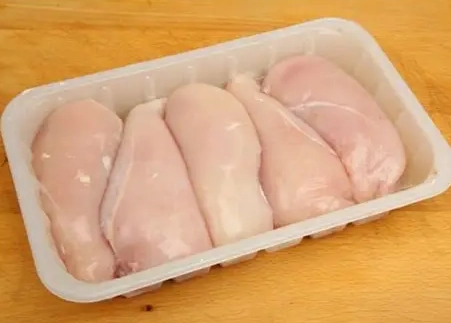
The USDA officially defines poultry white meat as the breast and wings. That's the technical definition you'll see on labels. In the kitchen, when we talk about white meat, we're usually referring to these parts, prized for their lean protein and versatility.
The Three Primary White Meat Cuts
Each cut has its own personality, cost, and best-use case. Treating a delicate tenderloin the same way you treat a whole breast is a recipe for disappointment.
| Cut | Description & Characteristics | Best Cooking Methods | Price Point (Relative) |
|---|---|---|---|
| Chicken Breast | The classic. Can be bone-in, bone-in with skin, or boneless/skinless (most common). It's a large, thick cut with a consistent grain. Prone to drying out if overcooked due to low fat content. | Pan-searing, baking/roasting, grilling, poaching, air frying. Benefits greatly from brining or marinating. | $$ (Often the most expensive per pound) |
| Chicken Tenderloin | The small, strip of muscle attached to the underside of the breast. It's incredibly tender (hence the name) and cooks very quickly. Often sold separately. | Quick pan-frying, stir-frying, baking (for tenders), adding to salads or pasta at the last minute. | $$$ (Premium price due to convenience and tenderness) |
| Chicken Wings | Yes, wings are technically white meat! They consist of three parts: the drumette, the flat, and the tip (usually discarded). They have more skin and connective tissue, which translates to more flavor and a higher fat content than breast. | Baking, frying, grilling, air frying. Almost always cooked with the skin on. Perfect for high-heat methods that crisp the skin. | $ (Often more affordable) |
Here's a tip most recipes won't tell you: when buying breasts, look for ones that are relatively uniform in thickness. The ones that taper dramatically at one end will always cook unevenly—the thin part is leathery by the time the thick part is done. I often pound the thicker end slightly with a rolling pin or even butterfly the breast to create an even thickness. It's a game-changer.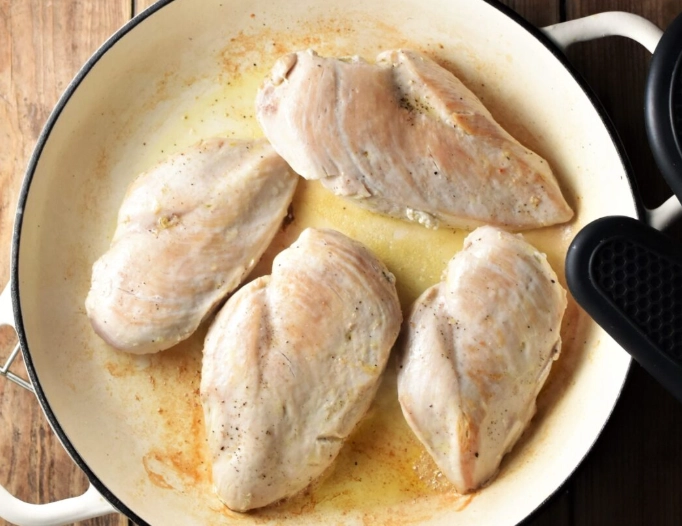
White Meat Chicken Nutrition: The Real Numbers
This is where white meat shines for health-conscious eaters. It's a powerhouse of lean protein. But let's look at the data from a reliable source. According to the USDA FoodData Central database, here's the nutritional profile for a 3-ounce (85g) cooked, boneless, skinless chicken breast:
- Calories: ~128
- Protein: ~26 grams (That's over 50% of the Daily Value!)
- Fat: ~2.7 grams (with less than 1g saturated fat)
- Carbohydrates: 0 grams
- Key Nutrients: Excellent source of Niacin (Vitamin B6), Vitamin B12, Phosphorus, and Selenium.
Compare that to a same-sized portion of cooked, skin-on chicken thigh (dark meat): roughly 150 calories, 19g protein, and 8g fat. The difference is clear. White meat is the go-to for maximizing protein intake while minimizing calories and saturated fat, which aligns with dietary guidelines from health authorities like the American Heart Association for supporting heart health.
But—and this is crucial—skin changes everything. Leaving the skin on a chicken breast can nearly double the fat content. That's not inherently bad if you're tracking macros differently, but for a truly lean meal, skinless is the way to go.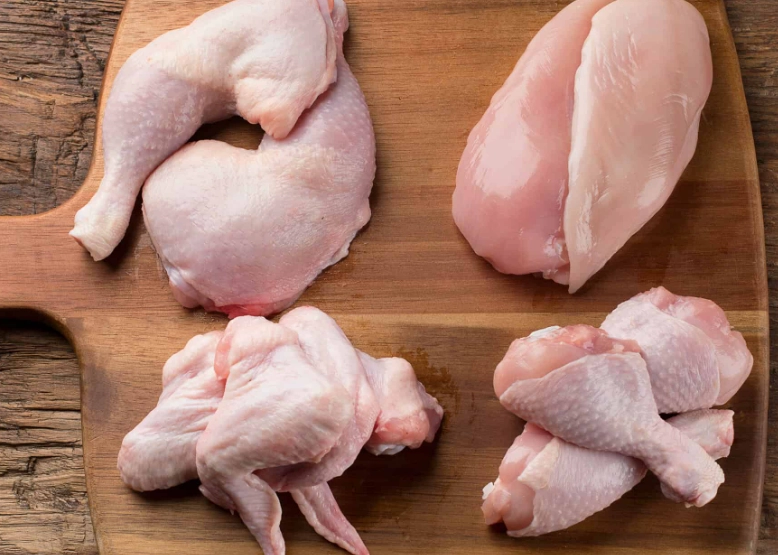
How to Cook White Meat Chicken Without Drying It Out
Dry, stringy chicken is a universal tragedy. It happens because the muscle fibers tighten and squeeze out all their moisture when overheated. Here’s my battle-tested framework, cut by cut.
For Chicken Breasts: The Temperature Rule is Non-Negotiable
Forget poking and guessing. A good digital meat thermometer is your best friend. The USDA safe internal temperature is 165°F (74°C). However, due to carryover cooking (where the meat continues to cook after being removed from heat), I pull breast meat off the heat at 160-162°F (71-72°C). Let it rest, loosely tented with foil, for 5-10 minutes. The temperature will rise to a safe 165°F, and the juices will redistribute, resulting in supremely juicy meat.
Method Deep Dive: Pan-Searing a Breast
1. Pat the breast completely dry with paper towels. Wet meat steams, it doesn't sear.
2. Season generously with salt and pepper. Do this just before cooking.
3. Heat a skillet over medium-high heat with a thin layer of high-heat oil (avocado, grapeseed).
4. Place the breast in the pan. Don't move it for 5-6 minutes to get a golden-brown crust.
5. Flip, reduce heat to medium, and cook until the thermometer reads 162°F.
6. Rest. Then slice against the grain for the most tender bite.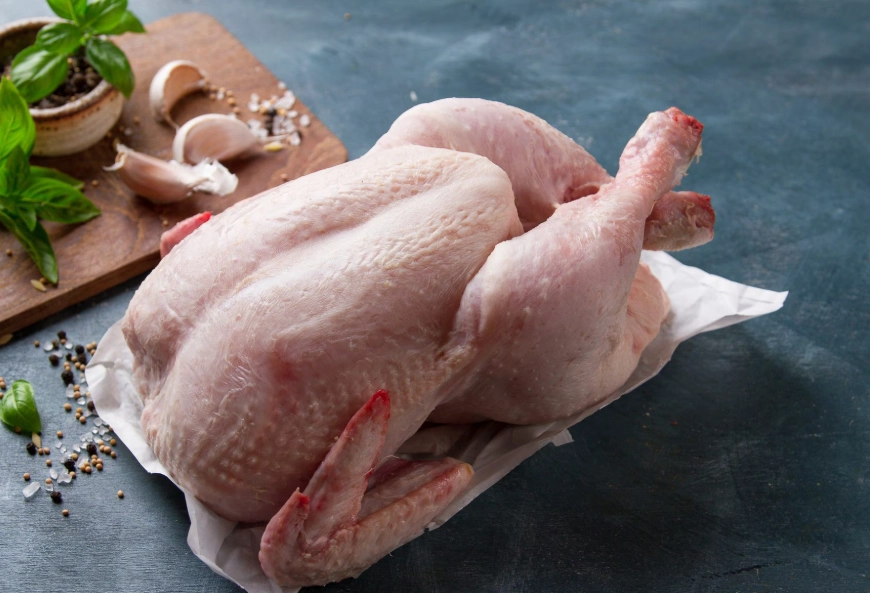
For Chicken Tenderloins: Speed is Key
They cook in 3-5 minutes total. High heat, quick movement. They're done as soon as they turn opaque. Overcooking them turns them rubbery in seconds. I love them for last-minute additions to fried rice or a quick Caesar salad protein boost.
For Chicken Wings: Embrace the High Heat and Fat
The goal is crispy skin. Baking? Use a rack on a baking sheet so air circulates. Toss them in a little baking powder (not soda!) mixed with salt before baking—it's a chef's trick to draw out moisture for extra crispiness. For ultimate ease, an air fryer at 400°F for 20-25 minutes, shaking halfway, works wonders.
Simple, Flavor-Packed White Meat Chicken Recipes
Let's apply this knowledge. Here are two foundational recipes that highlight technique.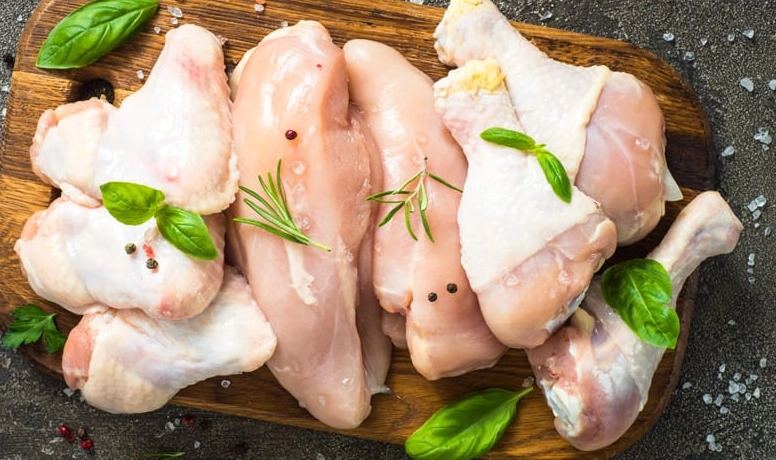
1. Foolproof Herb-Roasted Chicken Breast (Meal Prep Star)
This is my weekly staple. It yields juicy, flavorful breasts perfect for slicing over salads, chopping for wraps, or eating with veggies.
Ingredients: 2 large boneless, skinless chicken breasts, 2 tbsp olive oil, 1 tsp each dried thyme and paprika, 2 cloves minced garlic, salt and pepper.
Method: Preheat oven to 400°F (200°C). Pound breasts to even thickness. Mix oil, herbs, garlic into a paste. Rub all over chicken. Place on a parchment-lined baking sheet. Roast for 18-22 minutes, until internal temp hits 162°F. Rest for 10 minutes. Slice.
The high heat creates a slight sear, locking in juices. The rest period is non-negotiable here.
2. Quick Lemon-Garlic Chicken Tenderloin Stir-Fry
A 15-minute dinner. The tenderloins stay tender because of the swift cook time.
Ingredients: 1 lb chicken tenderloins, 2 bell peppers (sliced), 1 onion (sliced), 3 tbsp soy sauce, juice of 1 lemon, 2 tsp honey, 1 tbsp minced ginger, 2 cloves minced garlic.
Method: Pat tenderloins dry, cut into bite-sized pieces if desired. Whisk soy sauce, lemon, honey, ginger, garlic. Heat 1 tbsp oil in a wok or large skillet over high heat. Add chicken, stir-fry 3-4 minutes until opaque. Remove. Add veggies, stir-fry 4-5 minutes until crisp-tender. Return chicken, add sauce, toss everything for 1 minute until heated through and glazed. Serve over rice.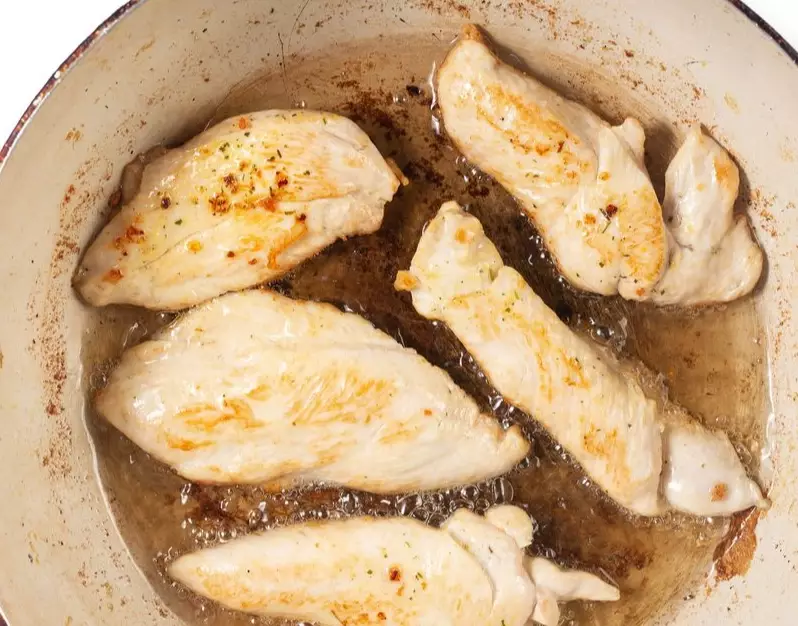
Your White Meat Chicken Questions, Answered
White meat chicken doesn't have to be bland or boring. It's a canvas. Knowing your cuts, respecting the cooking temperature, and applying the right method for each piece unlocks its full potential. Start with the thermometer. Master the pan-seared breast. Then branch out. Your dinners are about to get a major upgrade.
Related Articles