Ultimate Chicken Eggplant Parmesan: Recipe, Tips & Common Mistakes
Chicken eggplant parmesan sounds like a perfect idea. You get the hearty protein of chicken parmigiana and the savory depth of eggplant parmesan in one dish. But let's be honest, most recipes end in disappointment. Soggy eggplant, dry chicken, a sauce that tastes like jarred disappointment, and a cheese layer that's more plastic wrap than gooey perfection. I've been there. After years of testing (and more than a few failed dinners), I've nailed down a method that delivers every time. This isn't just a recipe; it's a system to avoid the common pitfalls that ruin this otherwise glorious comfort food.
What's Inside?
The Non-Negotiable Ingredient Breakdown
Success starts here. Swapping out key ingredients is where most home cooks go wrong. This table isn't just a shopping list; it explains the why behind each choice.
| Ingredient | Specifics & Why It Matters |
|---|---|
| Eggplant | Use globe eggplants, about 1 pound total. Italian or Japanese varieties are too slender. Slice into 1/2-inch rounds. Any thinner and they'll disintegrate; any thicker and they won't cook through. |
| Chicken | Boneless, skinless chicken breasts, pounded to an even 1/2-inch thickness. Thighs have more flavor but can become greasy in this context. Pounding is non-optional for even cooking. |
| Cheese (Triple Threat) | 1. Fresh mozzarella (for melt), 2. Low-moisture mozzarella (for structure), 3. Freshly grated Parmigiano-Reggiano (for salt & umami). Pre-shredded cheese contains anti-caking agents that ruin texture. |
| Tomato Sauce | A simple, 28-ounce can of whole San Marzano tomatoes, crushed by hand, simmered with garlic and basil. The sauce from Serious Eats is a fantastic baseline. Jarred sauce is often too sweet or salty, overpowering the other components. |
| Breading Station | All-purpose flour, eggs beaten with a splash of water (helps adhesion), and Panko breadcrumbs mixed with 30% fine plain breadcrumbs. Pure Panko is too coarse; this blend gives the ideal shatter-and-crunch. |
My biggest mistake used to be skipping the salt step for the eggplant. I'd think, "It's an extra hour, who has time?" The result was always a watery, bitter layer at the bottom of my baking dish. That hour is the difference between a good dish and a great one.
Step-by-Step Mastery: From Prep to Plate
This process has a rhythm. Don't rush it. Plan for about 2.5 hours from start to finish, with a lot of inactive waiting time.
Phase One: The Eggplant Prep (The Most Important Hour)
Slice your eggplant into 1/2-inch rounds. Lay them on a wire rack set over a baking sheet. Sprinkle both sides generously with kosher salt. Let them sit for at least 45 minutes, up to 90 minutes. You'll see beads of dark moisture form on the surface. That's the bitter liquid being drawn out. Rinse the slices thoroughly under cold water and pat them completely, obsessively dry with paper towels. This step is your insurance policy against sogginess.
Phase Two: Frying and Assembly
While the eggplant sweats, pound your chicken and get your breading station ready. Use three shallow dishes. Heat about 1/4 inch of a neutral, high-smoke-point oil (like canola or vegetable) in a large skillet over medium heat. You want it shimmering, not smoking.
Bread the eggplant and chicken using the standard dredge method: flour, egg, breadcrumbs. Fry in batches until golden brown on each side—about 3 minutes per side for eggplant, 4-5 minutes per side for chicken. Don't crowd the pan. Drain on a fresh wire rack, not paper towels (which creates steam).
Now, assemble like you're building a lasagna. In a 9x13 baking dish: thin layer of sauce, eggplant slices, sauce, a mix of cheeses. Then chicken cutlets, sauce, cheeses. Top with the remaining Parmigiano-Reggiano.
Phase Three: The Bake (and The Crucial Rest)
Bake at 375°F (190°C) for 25-30 minutes, until the cheese is bubbly and spotted with gold. Then, and this is critical, let it rest out of the oven for 15 minutes. This allows the layers to set. Cutting in immediately sends hot sauce and cheese sliding everywhere.
Why Your Eggplant Gets Soggy (And How to Fix It)
Soggy eggplant is the number one complaint. It usually comes down to three things:
- Not salting/drawing out moisture. Eggplant is like a sponge. Salting collapses its cell structure, so it can't absorb as much oil during frying.
- Frying at the wrong temperature. Oil that's too cool makes the eggplant soak up oil. Oil that's too hot burns the coating before the inside cooks. Aim for 350-375°F. Use a thermometer.
- Steam from improper storage. If you have leftovers, don't cover the baking dish tightly with plastic wrap while it's still warm. The trapped steam will turn everything to mush. Cover loosely with foil once cooled.
A trick I learned from an old Italian cook: after frying the eggplant, you can lay the slices on a baking sheet and pop them in a 400°F oven for 5 minutes. This extra blast of dry heat ensures any residual oil on the surface evaporates, locking in the crisp.
The Cheese Selection Guide: Beyond Mozzarella
Mozzarella is the star, but it needs a supporting cast. Using only fresh mozzarella makes a watery pool. Using only pre-shredded low-moisture makes a rubbery blanket. The blend is key.
- Fresh Mozzarella (Fior di Latte): Tear it, don't slice it. Tearing creates craggy edges that melt and brown beautifully.
- Low-Moisture Mozzarella: Grate this yourself from a block. It provides the structural, stringy cheese pull.
- Parmigiano-Reggiano: Not the green can. Get a wedge and grate it fresh. Its sharp, salty, nutty flavor is the backbone. A lesser-known but fantastic addition is a few thin slices of Provolone (not the smoked kind) layered in. It adds a tangy complexity.
According to the Consorzio del Formaggio Parmigiano-Reggiano, the aging process (a minimum of 12 months) creates glutamate crystals, which are responsible for that deep, savory umami punch you can't get from substitutes.
Your Chicken Eggplant Parmesan Questions, Answered
Can I make chicken eggplant parmesan ahead of time for a party?
You can, but you have to stage it right. Assemble the dish completely, but do not bake it. Cover it tightly and refrigerate for up to 24 hours. When you're ready, take it out of the fridge and let it sit on the counter for 30-45 minutes to take the chill off. Bake it, adding 10-15 minutes to the cooking time because you're starting from cold. The texture won't be quite as perfect as fresh, but it's a huge time-saver.
My breading always falls off the chicken. What am I doing wrong?
This almost always comes down to moisture on the surface of the chicken or not pressing the breadcrumbs firmly enough. After pounding, pat the chicken completely dry with paper towels. When you dredge, let the excess flour shake off, then coat evenly in egg. When you press into the breadcrumbs, use your dry hand to really press the crumbs into the meat. Let the breaded cutlets rest on a rack for 10 minutes before frying. This lets the coating set.
Is there a way to make a lighter, less fried version?
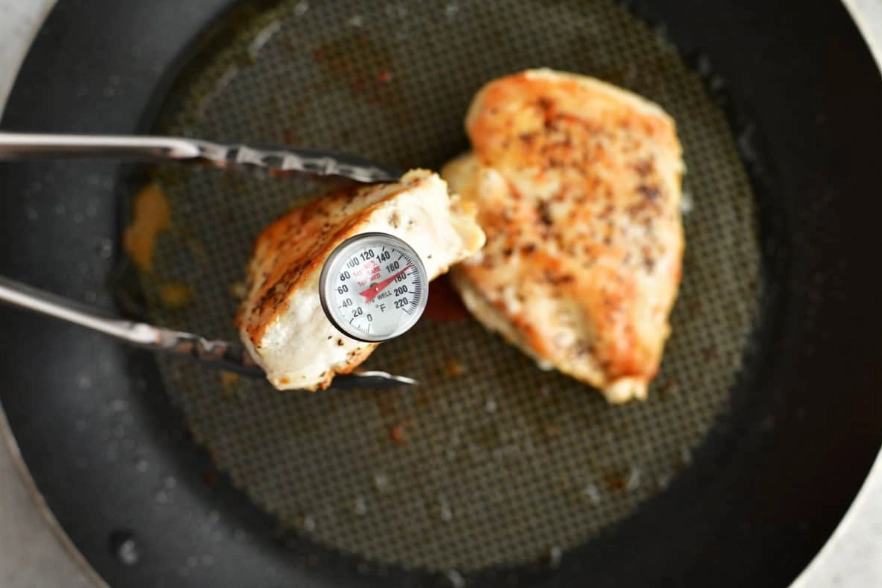
You can bake instead of fry, but temper your expectations. For the eggplant, after salting and drying, brush both sides lightly with oil and bake on a parchment-lined sheet at 425°F for 20-25 minutes, flipping halfway, until golden. Do the same for the chicken (pound it thin). The result will be softer, not crispy, but still flavorful. It's a different, but valid, interpretation. For food safety guidelines on cooking poultry, the USDA recommends a safe minimum internal temperature of 165°F.
What's the best side dish to serve with this?
You need something to cut through the richness. A simple arugula salad with a lemon vinaigrette is perfect. Or, sauté some spinach with garlic. Avoid heavy sides like pasta with more red sauce—it's overkill. A crusty piece of bread for mopping up the sauce is never a bad idea.
Can I freeze leftover chicken eggplant parmesan?
You can, but the eggplant will suffer. Freezing turns the eggplant's texture spongy and watery upon reheating. If you must freeze, do it in individual portions. Thaw in the refrigerator overnight and reheat in a 350°F oven, covered with foil, until hot through. It'll be edible, but the magic of the fresh-cooked texture will be gone.
Chicken eggplant parmesan is a project dish. It asks for your time and attention. But when you follow these steps—respecting the eggplant's need to be salted, frying with care, choosing your cheeses wisely, and letting it rest—you're rewarded with something far greater than the sum of its parts. It's the difference between a casserole and a masterpiece. Don't just make dinner. Make this.
Related Articles