Thin Chicken Breast Calories: The Complete Guide for Diet & Fitness
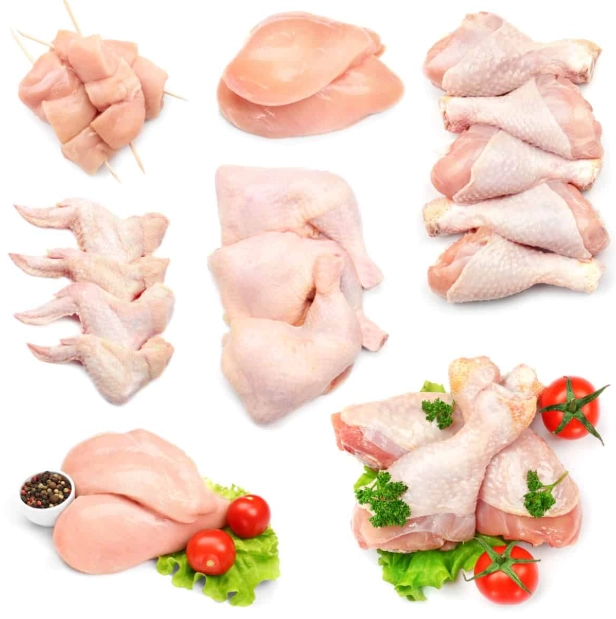
Let's cut to the chase. You're here because you picked up a pack of those thinly sliced chicken breasts at the store, or you're thinking about butterflying your own, and a simple question popped into your head: exactly how many calories are in thin chicken breast? Maybe you're meticulously tracking macros, planning a week of weight-loss meals, or just trying to make a smarter dinner choice. I get it. I've stood in that grocery aisle too, phone in hand, trying to remember if "thin" changes the math.
The short, direct answer is this: a 4-ounce (113-gram) raw, skinless, boneless thin chicken breast contains roughly 120 to 135 calories. But if we stop there, we're missing the whole story. That number is a starting point, not a finish line. What happens when you grill it? Bake it? Drown it in sauce? And why would you even choose thin-cut over a regular breast in the first place?
This guide isn't just a calorie chart. It's the manual I wish I had when I started meal prepping years ago. We'll move past the basic data from sources like the USDA FoodData Central and into the practical, kitchen-tested details that actually affect your diet. You'll learn not just the "how many," but the "why it matters" and "how to use it."
What's Inside This Guide
How Many Calories Are in Thin Chicken Breast?
We need a baseline. When nutrition databases like the USDA list values, they typically refer to a generic, raw, skinless, boneless chicken breast. The magic number is about 31 calories per ounce (28g), or 165 calories per 100 grams.
Now, a "thin" chicken breast isn't a different animal. It's the same muscle, just cut or pounded to a uniform thickness, usually between 1/4 to 1/2 inch. This means its weight is the ultimate dictator of its calorie content. Forget counting "pieces"; a scale is your best friend here.
Key Takeaway: The calorie count is determined by weight, not by how thin it is. A 4-oz thin cut and a 4-oz thick cut have the same calories when raw. The difference lies in cooking behavior and practical use.
Here’s a quick-reference table to take the guesswork out of portioning:
| Portion Size (Raw, Skinless/Boneless) | Approximate Calories | Protein (grams) |
|---|---|---|
| 1 ounce (28g) | 31 | 6 |
| 3 ounces (85g) - A Standard Serving | 92 | >18 |
| 4 ounces (113g) - Common Package Size | 124 | 24 |
| 6 ounces (170g) - Larger Meal | 186 | 36 |
| 100 grams | 165 | 31 |
See that protein column? That's the real headline. You're getting a massive amount of satiating, muscle-building protein for a very low caloric cost. This 1:6 calorie-to-protein gram ratio is what makes chicken breast a diet staple.
How Cooking Methods Change the Calorie Count
This is where most generic articles fail. They give you the raw number and call it a day. But nobody eats raw chicken. Cooking transforms it, and not just in texture. It can significantly alter the final calories on your plate, especially for thin cuts which react differently to heat.
When you cook chicken, two main things happen: water evaporates, and fat may render out or be added. This causes weight loss. A 4-ounce raw breast might weigh only 3 ounces after grilling. So, if you track by the cooked weight, the calories per ounce are higher because the nutrients are now concentrated in a smaller, drier piece.
Calorie Impact of Popular Cooking Techniques
Grilling, Baking, or Pan-Searing (with minimal oil): This is the gold standard for calorie control. You're mainly losing water. A thin breast cooks in 4-6 minutes per side. The calorie count per 100g increases to about 190-210 because of water loss, but the total calories in the whole piece remain very close to the raw tally. My pro tip? Use a good non-stick pan or grill mat. I've seen people add a tablespoon of oil (120 extra calories) out of habit when it's completely unnecessary for a thin, moist cut.
Poaching or Boiling: Surprisingly, this can be one of the lowest-calorie methods because some fat leaches into the water. The downside? Flavor also leaches out. You end up with a bland, perfectly lean protein that needs serious help from spices and sauces later.
Stir-Frying: Here's the danger zone for thin cuts. Because they're small and have more surface area, they soak up oil from the pan like a sponge. That healthy veggie stir-fry can easily double in calories if you're not careful with your oil measure. I recommend using broth or a spray oil for the initial cook and adding a tiny amount of flavorful sesame oil at the very end.
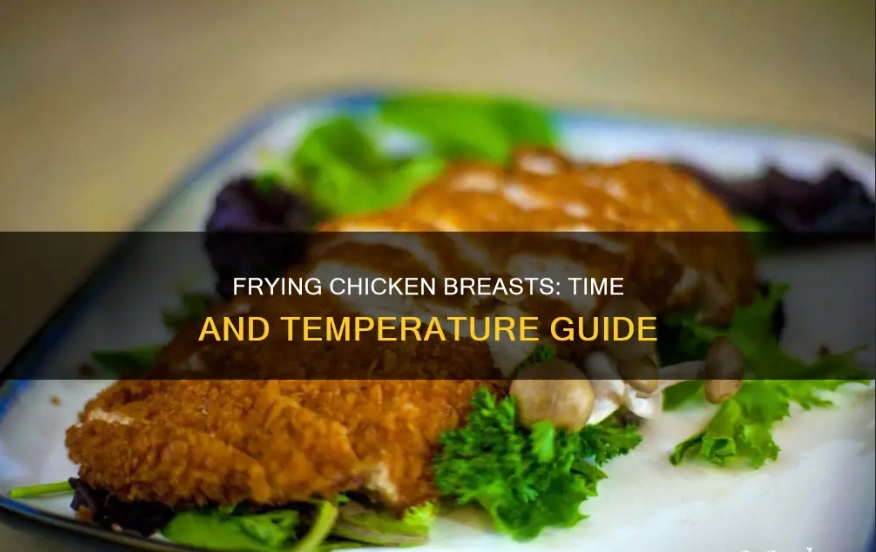
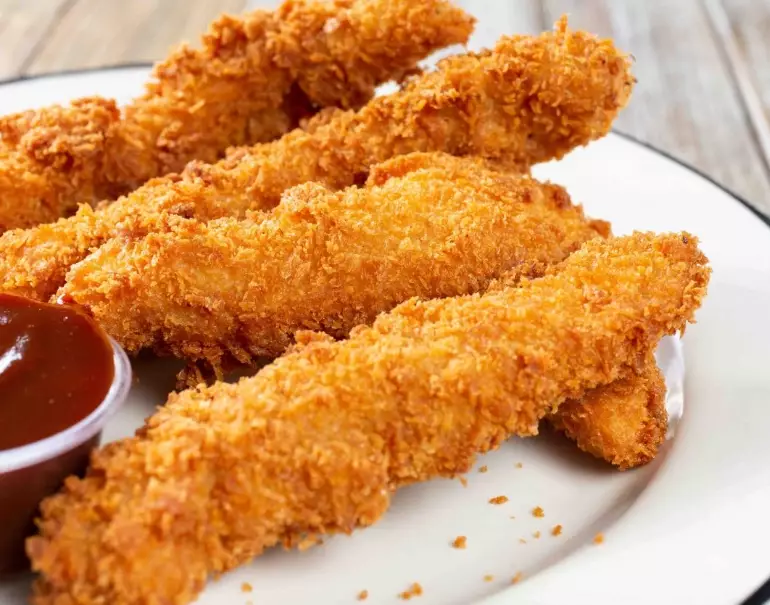
Breading and Frying: Let's be real—this turns your lean protein into a calorie bomb. The thin cut disappears under a layer of flour, egg, and breadcrumbs, all of which absorb frying oil. A baked or air-fried "breaded" version using panko and egg whites is a decent compromise, but the calorie count will still be notably higher than a plain grilled cut.
Thin vs. Thick Cut: It's Not Just About Size
Why bother with thin chicken breast at all? If the calories are the same by weight, what's the advantage? This is the kind of nuance a seasoned cook thinks about.
1. Cooking Time and Evenness: A thick breast can be a nightmare to cook through without drying out the outside. A thin cut cooks fast and evenly from edge to edge. No more cutting into a supposedly cooked piece to find a raw, pink center. This reliability is a huge win for weeknight dinners.
2. Surface Area and Flavor: More surface area means more space for marinades to penetrate and for that delicious Maillard reaction (browning) to occur. A thin breast gets a flavorful sear on almost every molecule, while the interior of a thick breast remains plain.
3. The Portion Illusion: This is a psychological hack. One large, thick breast on a plate can look lonely. Two or three smaller, thin cutlets cover more plate real estate, creating a visual perception of a larger, more satisfying meal for potentially the same weight and calories.
4. Versatility in Recipes: Thin cuts are made for specific dishes: quick piccatas, roll-ups for stuffing, lettuce wraps, fast sandwiches, and topping salads. Trying to use a thick breast for these is clunky and requires extra prep work.
There's one counter-intuitive downside, though. Because thin cuts lose moisture faster, they can become dry more easily if overcooked by even a minute. You have to be more attentive. A thick breast has a slightly more forgiving internal buffer.
Putting It to Work: Real-World Uses for Thin Cuts
Let's move from theory to your kitchen. Here are two concrete scenarios where choosing thin chicken breast makes a tangible difference in your calorie control and meal success.
Scenario 1: The 30-Minute High-Protein Lunch Prep.
Goal: 4 lunches, ~350 calories each, with 30+ grams of protein.
Plan: Grab 1.25 lbs (20 oz) of raw thin-cut chicken breast. Season aggressively with smoked paprika, garlic powder, salt, and pepper. Heat a grill pan over medium-high. Cook the cutlets for 4-5 minutes per side (no oil needed on a seasoned pan). Let rest and slice. Divide evenly into four containers. Pair with 150g of roasted broccoli (55 cal) and 100g of cooked quinoa (120 cal).
The Math: 5 oz cooked chicken per serving (~155 cal, 30g protein) + broccoli + quinoa = ~330 calories. The thin cuts cook in the time it takes the oven to roast the broccoli, making the whole prep synchronize perfectly.
Scenario 2: A Lower-Calorie "Chicken Parmesan" Night.
Classic chicken parm is breaded, fried, and smothered in cheese. We can fix that. Pound two 4-oz breasts thin (or buy them that way). Dredge in flour, then egg white (not whole egg), then a mix of whole-wheat panko and parmesan. Bake on a rack at 425°F for 12-15 minutes until crispy. Top with 1/4 cup of part-skim mozzarella and a 1/2 cup of marinara. Broil for 2 minutes. Serve with a giant side salad.
The Result: You get the crispy, cheesy experience for roughly 400-450 calories per cutlet, versus 600+ for the traditional fried version. The thin cut ensures the baking actually crisps the coating all the way through.
Your Thin Chicken Breast Questions, Answered
I'm trying to hit 150g of protein a day. Is thin chicken breast a good choice for packing in protein without too many calories?
It's one of the best tools for the job. The efficiency is hard to beat. To reach 150g of protein solely from thin chicken breast, you'd need about 20 ounces of cooked meat (roughly four large thin cutlets), which would come in at around 500-550 calories. That leaves a massive calorie budget for carbohydrates, fats, and vegetables to fuel your workouts and overall health. Compare that to getting 150g of protein from fatty cuts of meat or plant sources, and the calorie difference can be over 1000. For pure protein density, it's a top-tier choice.
Do thin chicken breasts have fewer calories than thick ones if they look smaller?
This is the most common optical illusion. A thin breast looks smaller and feels lighter, so we assume it has fewer calories. But if you put a thin 6-ounce breast and a thick 6-ounce breast on a scale, they weigh the same and therefore have identical raw calories. The thin one just spreads those calories over a wider, flatter area. Always trust the weight, not the volume or appearance. This is why buying pre-packaged thin cuts with a labeled weight is so helpful—it removes the guesswork.
I'm bored of plain grilled chicken. What's a low-calorie way to add flavor to thin cuts without sabotaging the count?
Move beyond salt and pepper. The high surface area of thin cuts is a blank canvas for dry rubs and quick marinades. A zero-calorie trick I use is a "dry brine": sprinkle kosher salt on both sides and let it sit in the fridge for 30 minutes before cooking. It seasons deeply. For cooking, use acid and aromatics instead of oil. Try deglazing the pan with a splash of lemon juice, chicken broth, or balsamic vinegar after searing the chicken. Let it reduce into a glossy, intense pan sauce. A tablespoon of a flavorful paste like harissa, gochujang, or sun-dried tomato pesto thinned with a bit of water can coat several cutlets for under 30 extra calories total.
For meal prep, should I weigh my thin chicken breast before or after cooking?
Choose one method and stick to it consistently to avoid confusion. Most nutrition data and meal plans refer to raw weight. It's more accurate because cooking loss varies. My system: I portion and weigh all my raw chicken on Sunday, log those weights/calories in my tracker, then cook it. Even if the cooked pieces shrink differently, I've already accounted for the calories. If you must use cooked weight, use a reliable database entry for "cooked chicken breast" and know that your counts will have a slightly wider margin of error.
Is there any nutritional downside to choosing thin-cut over regular chicken breast?
Nutritionally, they are identical by weight. The only potential "downside" is culinary. Because they cook so quickly and have less mass, there's a narrower window between perfectly cooked and overdone, leading to dryness if you're distracted. They also aren't ideal for recipes where you want a juicy, substantial center, like a traditional roasted chicken breast. For 90% of quick, healthy cooking applications, however, the thin cut's advantages in speed, even cooking, and flavor absorption far outweigh this minor risk.
So, the next time you see that pack of thin-sliced chicken breast, you'll see more than just protein. You'll see a versatile, calorie-efficient tool that cooks fast, takes on flavor beautifully, and can be the reliable anchor for countless healthy meals. Weigh it, cook it smart, and pair it with plenty of vegetables and smart carbs. That's the real recipe for success.
Related Articles