Boneless Skinless Chicken Thigh Calories & Nutrition Facts
Let's cut straight to the chase. A typical boneless, skinless chicken thigh contains between 165 to 210 calories. But if you stop there, you're missing the whole story. That single number tells you almost nothing about whether this cut is right for your diet, your fitness goals, or your dinner plate tonight. I've been tracking macros and coaching meal prep for over a decade, and the most common mistake I see is fixating on calories alone. The real value lies in the complete nutritional profile—the protein that builds muscle, the fats that keep you full, and how your cooking method can turn a lean protein into a calorie bomb without you realizing it.
What's Inside This Guide?
Quick Answer: One 4-ounce (113g) serving of cooked, boneless, skinless chicken thigh has approximately 209 calories, 26g of protein, 10.5g of fat, and 0g of carbs.
Data sourced from the USDA FoodData Central, the standard for reliable nutrition information. Remember, weight is for cooked meat. A raw thigh loses about 25% of its weight during cooking.
The Exact Calories and Macros in a Boneless Skinless Chicken Thigh
We need to get specific. Saying "a chicken thigh" is like saying "a car"—it doesn't tell you the model or size. For consistent tracking, we use a standard cooked serving. According to the USDA FoodData Central, here's the breakdown for 4 ounces (113 grams) of roasted boneless, skinless chicken thigh:
| Nutrient | Amount | Daily Value %* |
|---|---|---|
| Calories | 209 kcal | 10% |
| Protein | 26.1 g | 52% |
| Total Fat | 10.5 g | 16% |
| Saturated Fat | 2.8 g | 14% |
| Carbohydrates | 0 g | 0% |
| Iron | 1.1 mg | 6% |
| Zinc | 2.4 mg | 22% |
*Based on a 2,000-calorie diet.
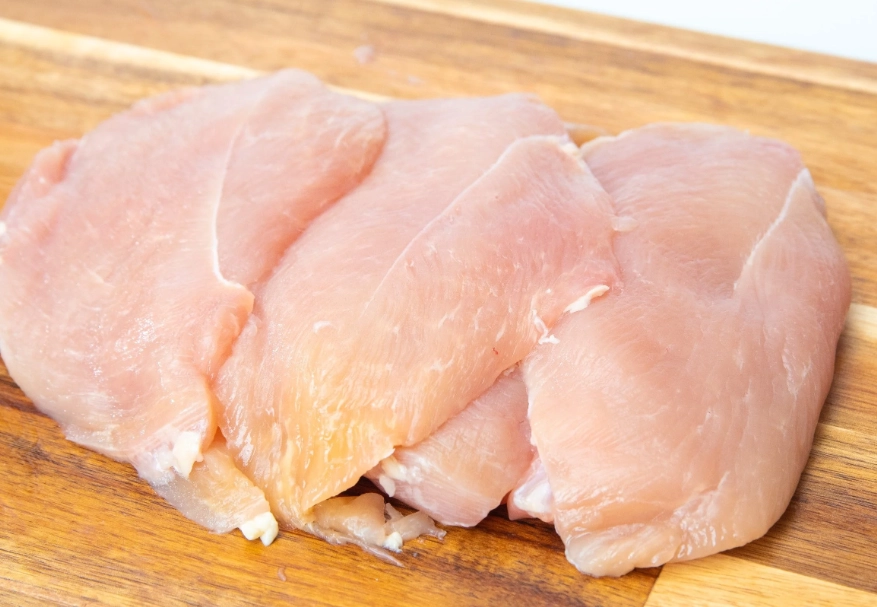
Now, here's the nuance most blogs skip. That 4-ounce serving is cooked weight. If you start with a raw boneless, skinless thigh, you'll need about 5.3 ounces raw to end up with 4 ounces cooked, due to water loss. This is where people mess up their meal prep math. They weigh 4oz raw, log it as 4oz cooked, and unknowingly under-report their calories by about 25%.
The protein content is stellar—over 26 grams. That's more than half the daily need for many adults in a single serving. The fat, often vilified, is about 11 grams. But look closer: only 2.8g is saturated. The rest is a mix of monounsaturated and polyunsaturated fats, the "better-for-you" kinds.
Chicken Thigh vs. Breast: The Real Nutrition Showdown
It's the eternal kitchen debate. The breast is hailed as the king of lean protein, while the thigh is often relegated to the "once in a while" category. Let's compare equal 4-ounce cooked servings:
| Nutrient | Boneless Skinless Thigh | Boneless Skinless Breast |
|---|---|---|
| Calories | 209 | 187 |
| Protein | 26.1g | 35g |
| Total Fat | 10.5g | 4g |
The breast wins on pure protein density and lower calories. No argument there. If you're on an extremely strict cut for a bodybuilding show, breast is your go-to.
But for everyone else—people seeking sustainable weight loss, building strength, or just eating satisfying food—the thigh has hidden advantages. That extra fat brings flavor and, crucially, satiety. A meal with a chicken thigh is less likely to leave you rummaging in the pantry an hour later compared to a dry chicken breast. The calorie difference? About 22 calories. That's the equivalent of two almonds. For the trade-off in taste and meal satisfaction, it's a bargain many nutrition coaches (myself included) recommend.
How Your Cooking Method Changes Everything
This is the most critical, overlooked factor. The calorie count on the USDA site assumes roasting without added fat. Your kitchen isn't a lab. The way you cook can drastically alter the final numbers.
Grilling or Baking
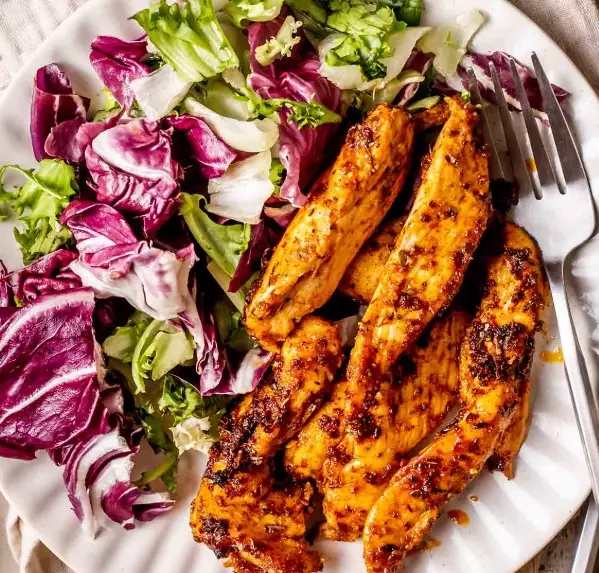
The gold standard. If you use a rack so fat drips away, your calories will be very close to the USDA data. A light spray of oil (about 1 second) adds roughly 40 calories from fat. I prefer baking at 400°F (200°C) for 20-25 minutes. It's foolproof.
Pan-Frying or Sautéing
Here's where it gets tricky. A tablespoon of olive oil has about 120 calories. If you use that to fry a thigh and it absorbs even half, you've added 60 calories. Suddenly your 209-calorie thigh is pushing 270. The solution? Use a good non-stick pan and measure your oil. Better yet, try broth or water for a quick steam-sauté to start, adding just a teaspoon of oil at the end for flavor.
Slow Cooking or Braising
Great for flavor, but beware of sugary sauces. A BBQ sauce or teriyaki glaze can add 15-20 grams of sugar (60-80 calories) per serving, turning a low-carb protein into a sugar vehicle. Opt for tomato-based, vinegar-based, or herb-heavy braising liquids.
Putting It Into Practice: Meal Ideas & Portion Control
Knowing the calories is useless if you don't know how to apply it. Let's talk real meals.
For Weight Loss (450-550 calorie meal): One 4-oz cooked thigh (209 cal) + a massive bowl of roasted broccoli and cauliflower (80 cal) + 1/2 cup of cooked quinoa (111 cal) = a filling, 400-calorie meal packed with fiber and protein. The thigh's fat helps absorb the fat-soluble vitamins from the veggies.
For Muscle Building (600-700 calorie meal): Two 4-oz cooked thighs (418 cal) + 1 cup of sweet potato mashed with a little Greek yogurt (180 cal) + a side salad with light dressing (50 cal). The double dose of protein supports repair, and the complex carbs refuel glycogen.
For a Quick Family Dinner: Dice cooked thighs and toss with whole-wheat pasta, pesto, sun-dried tomatoes, and green beans. The thighs stand up to bold flavors better than breast, which can get stringy.
Portion control is simple. For most adults, one to two thighs (4-8 oz cooked) is a perfect portion. Visualize a deck of cards for a single 4-oz serving. If you're meal-prepping, cook a batch, weigh the total, and divide by the number of containers. Don't guess.
Your Questions, Answered (By an Expert)
So, the final word? A boneless, skinless chicken thigh is a nutritional powerhouse—not just a number on a calorie counter. It's a versatile, flavorful source of high-quality protein that deserves a regular spot in a healthy diet. Pay attention to your cooking method, pair it smartly with other foods, and you've got a tool for reaching almost any health goal.
Related Articles