Chicken Tenderloin Nutrition Facts: The Ultimate Guide to Protein & Health
I used to grab a pack of chicken tenderloins from the grocery store without a second thought. "Lean protein," the label said, and that was enough for me. It wasn't until I started tracking my macros for a fitness goal that I actually looked closely at the chicken tenderloin nutrition facts. What I found was interesting, and honestly, a bit different from the oversimplified "it's just protein" story we often hear. This guide is what I wish I had back then—a deep dive into what you're really getting, how it compares, and how to make the most of this popular cut.
What You'll Find in This Guide
- The Exact Nutrition Breakdown (Per 100g & 4oz)
- Chicken Tenderloin vs. Breast vs. Thigh: The Real Difference
- Health Benefits: More Than Just Muscle Building
- The Potential Drawbacks Nobody Talks About
- How to Cook Chicken Tenderloin Without Drying It Out
- Buying & Storing: How to Avoid the Worst Tenderloins
- Your Chicken Tenderloin Questions, Answered
The Exact Chicken Tenderloin Nutrition Facts
Let's cut to the chase. The numbers below are based on data from the USDA FoodData Central for raw, skinless chicken tenderloin. This is your baseline before any oil, marinade, or seasoning hits the pan.
| Nutrient | Per 100 grams (3.5 oz) | Per 4 oz (113g) Serving* | % Daily Value (per 4oz)** |
|---|---|---|---|
| Calories | 114 kcal | 129 kcal | 6% |
| Protein | 23.1 g | 26.1 g | 52% |
| Total Fat | 1.6 g | 1.8 g | 2% |
| Saturated Fat | 0.5 g | 0.6 g | 3% |
| Cholesterol | 64 mg | 72 mg | 24% |
| Sodium (natural) | 58 mg | 66 mg | 3% |
| Niacin (B3) | 10.6 mg | 12.0 mg | 75% |
| Selenium | 22.0 mcg | 24.9 mcg | 45% |
| Phosphorus | 210 mg | 237 mg | 19% |
*A typical single serving size. **Based on a 2,000-calorie diet. Percentages are for naturally occurring nutrients only.
The headline here is the protein-to-calorie ratio. Getting over 26 grams of protein for only about 130 calories is exceptional. It's why this cut is a staple in bodybuilding and weight loss diets. But look at the micronutrients—especially the Niacin and Selenium. A single serving gives you three-quarters of your daily B3, crucial for energy metabolism, and nearly half your selenium, a powerful antioxidant.
Key Takeaway: Chicken tenderloin isn't a "nutritional zero" outside of protein. It's a significant source of B vitamins and minerals that support your metabolism and immune system, which often gets overlooked in fitness circles.
Chicken Tenderloin vs. Breast vs. Thigh: The Real Difference
Everyone says tenderloin is just a part of the breast. Technically true, but nutritionally, there are subtle shifts. Here’s the practical comparison for a 4oz cooked portion (assuming dry heat cooking like grilling or baking):
Against Chicken Breast: The main breast muscle is ever so slightly leaner. You might save 10-15 calories and gain 1-2 extra grams of protein per serving compared to tenderloin. The difference is negligible for most people. The real distinction is texture and cooking time. Tenderloins are more forgiving; breasts dry out if you blink.
Against Chicken Thigh (skinless): This is where choices matter. A skinless thigh has more flavor and moisture because it has about 5-8 grams more fat (mostly unsaturated) and 30-50 more calories per serving. It also contains more iron and zinc. The tenderloin wins on pure leanness, but the thigh brings more micronutrient diversity and satiety for some.
My rule of thumb? Use tenderloins when you want speed and consistency—they cook fast and evenly. Use breasts for maximum protein per gram. Use thighs when you want flavor and don't mind the extra (healthy) fats.
Health Benefits: More Than Just Muscle Building
Yes, the high-quality, complete protein in chicken tenderloin supports muscle repair and growth. But let's talk about the other benefits that make it a long-term dietary staple.
Weight Management and Satiety
Protein is the most satiating macronutrient. A meal centered on chicken tenderloin can keep you full for hours, reducing the urge to snack. The low energy density (few calories for a decent volume of food) is perfect for calorie-conscious plates.
Metabolic and Heart Health
The niacin (B3) content is a star player. According to resources from the Harvard T.H. Chan School of Public Health, niacin helps convert food into usable energy and supports nervous system function. The low saturated fat profile aligns with heart-healthy dietary patterns recommended by major health associations.
The Potential Drawbacks Nobody Talks About
It's not all perfect. Relying too heavily on any single food has pitfalls.
The Blandness Trap: Because it's so lean, chicken tenderloin can be bland. This leads people to drown it in high-sodium sauces, sugary marinades, or breading, completely negating its health benefits. I've seen people turn a 130-calorie protein source into a 400-calorie sodium bomb.
Nutrient Monotony: If chicken tenderloin is your only protein, you're missing out on the iron and zinc more abundant in red meat, the omega-3s from fish, and the fiber and phytonutrients from plant-based proteins like lentils. Diversity is key for a robust microbiome and overall health.
The Sodium Surprise in Pre-Packaged Brands: This is critical. While raw tenderloin is low in sodium, many "pre-marinated" or "solution-added" versions in stores are pumped with saltwater and preservatives to enhance juiciness and shelf life. I once bought a pack that had 450mg of sodium per serving—seven times the natural amount! Always check the label.
How to Cook Chicken Tenderloin Without Drying It Out
The tenderloin's thin shape is both a blessing (quick cooking) and a curse (easy to overcook). Here's my fail-safe method for juicy results every time.
1. Skip the Long Marinade (Controversial, I know): You don't need hours. A 20-minute soak in a simple mix of olive oil, lemon juice, garlic, and herbs is plenty. The acid starts to break down the surface too long, giving a mushy texture.
2. Pat Dry and Season Aggressively: Dry surfaces brown. Pat them dry with a paper towel, then season well with salt, pepper, and any dry spices. This creates a flavor crust.
3. High Heat, Short Time:
- Pan-Searing: Heat a skillet over medium-high heat with a thin film of oil. Cook tenderloins for 2-3 minutes per side until golden and just cooked through. They should feel firm but not hard.
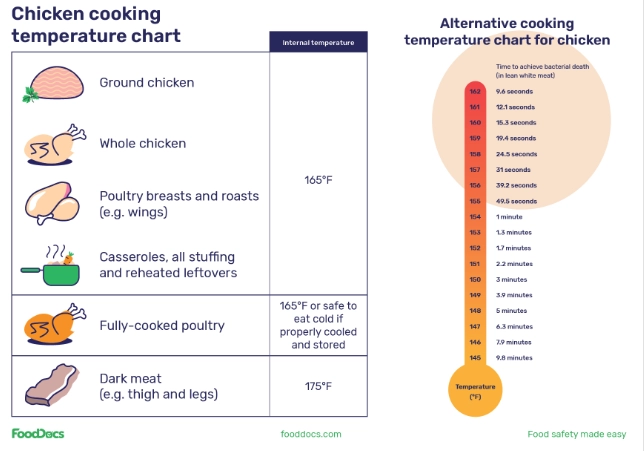
- Baking: Preheat oven to 425°F (220°C). Place on a parchment-lined sheet. Bake for 8-10 minutes. Use a meat thermometer—target 165°F (74°C) at the thickest part, but pull them out at 160°F as they'll carryover cook.
4. Rest, Then Slice: Let them rest for 5 minutes off the heat. This allows the juices to redistribute. Then, slice against the grain for maximum tenderness.
Buying & Storing: How to Avoid the Worst Tenderloins
Your nutrition starts at the store.
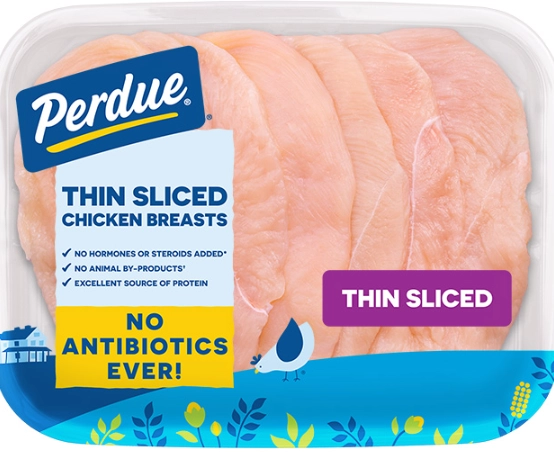
Read the Label First: Look for "100% Chicken Tenderloin" or similar. Avoid phrases like "Enhanced with up to 15% Solution of..." or "Marinated." The ingredient list should have one item: chicken.
Color and Smell: They should be pinkish-white, not gray or yellow. There should be no sour or off-putting smell.
Storage: Keep in the coldest part of your fridge and use within 1-2 days of purchase, or freeze immediately. I vacuum-seal portions for the freezer—it prevents freezer burn for months.
Your Chicken Tenderloin Questions, Answered
Related Articles