Chicken Tenderloin Protein: Exact Grams & How to Maximize It
Let's cut straight to the chase. If you're looking up the protein in a chicken tenderloin, you're probably meal prepping, tracking macros, or just trying to eat better. You want a number you can trust, not a vague guess. So here it is: a single, average-sized raw chicken tenderloin (about 50 grams or 1.75 ounces) contains roughly 15.5 grams of high-quality protein. For every 100 grams of raw chicken tenderloin, you're looking at approximately 31 grams of protein. But that raw number is just the starting point. How you cook it, what you compare it to, and even where you buy it can change the game.
What You'll Find in This Guide
The Exact Protein Numbers: Raw vs. Cooked Weight
This is where most articles get it wrong. They throw out one number without context. Protein content is typically measured per 100 grams of the raw product. According to the USDA FoodData Central database, the standard reference for nutritional data, 100 grams of raw chicken tenderloin has about 31 grams of protein, 3.6 grams of fat, and 165 calories.
But you don't eat it raw.
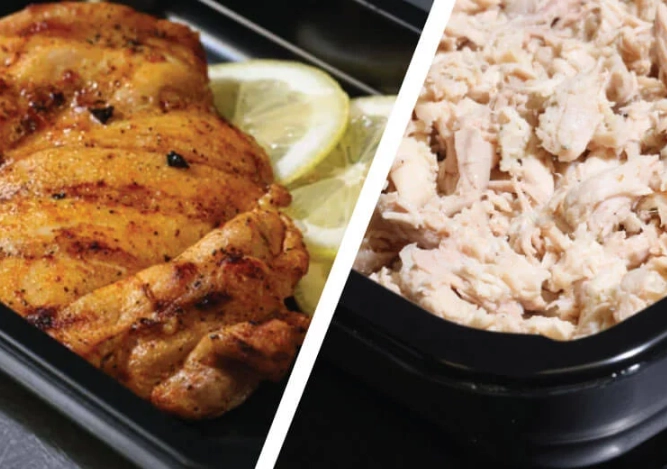
Cooking changes everything. When you cook chicken, water evaporates. The meat becomes denser. So, 100 grams of cooked chicken tenderloin will have more protein than 100 grams of raw because you've removed the water weight. It's a concentration effect.
Real-World Example: You start with 150 grams of raw chicken tenderloins (about 3 pieces). That's roughly 46.5 grams of protein. After grilling, it might weigh only 115 grams due to water loss. Those 115 grams of cooked chicken still contain nearly all of the original 46.5 grams of protein. The protein didn't vanish; it's now packed into a smaller, heavier piece of meat.
This is crucial for macro tracking. If your app or recipe lists nutrition for "cooked" weight, use that. If it lists "raw," weigh it raw. Mixing the two is the top reason people's protein calculations are off.
Why Chicken Tenderloin is a Protein Superstar
It's not just about the grams. It's about the quality. Chicken tenderloin is a complete protein, meaning it contains all nine essential amino acids your body can't make on its own. One of these, leucine, is particularly important for triggering muscle protein synthesis—the process of building and repairing muscle.
Beyond the amino profile, tenderloin wins on practicality. It's the most tender part of the chicken breast, cooks in minutes, and is incredibly versatile. Unlike a large chicken breast that can dry out if overcooked by 30 seconds, tenderloins are forgiving. For someone trying to hit a high protein target without spending hours in the kitchen, this is a major win.
The Fat and Calorie Bonus
Let's talk about what comes with the protein. Compared to other popular cuts, the tenderloin is remarkably lean.
- Low Fat: It has slightly less fat than the main part of the chicken breast, making it one of the leanest cuts available.
- Clean Calories: The majority of its calories come directly from protein, which has a higher thermic effect (your body burns more calories digesting it) compared to fat or carbs.
How to Cook It to Maximize Protein (Not Destroy It)
Protein itself is very stable and isn't "destroyed" by normal cooking. However, excessive, brutal cooking can make it less digestible and less bioavailable. Your body has to work harder to break it down. The goal is gentle, precise heat.
I learned this the hard way years ago, grilling chicken tenders into leathery strips. The protein was all there, but my body wasn't absorbing it as efficiently, and frankly, it was miserable to eat. The key is moisture retention.
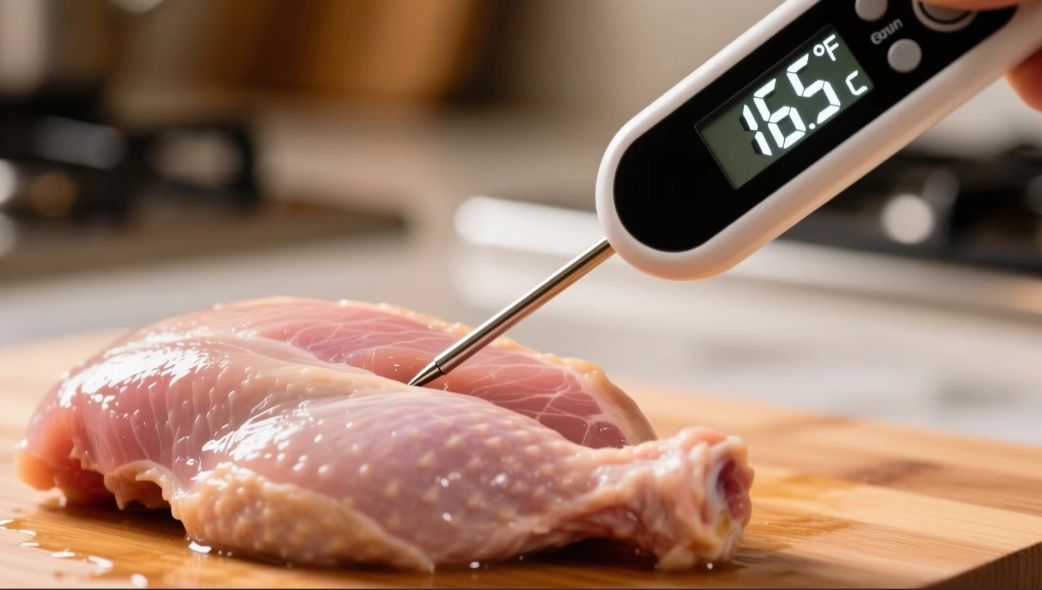
Here’s a non-negotiable tip: Use a digital meat thermometer. Pull your tenderloins off the heat when they hit 165°F (74°C) at the thickest part. Let them rest for 5 minutes. This carries over cooking to the perfect safe temperature without overshooting. Guessing by sight or time leads to dry, tough meat.
Protein Showdown: How Tenderloin Stacks Up Against Other Foods
Is it the best? Let's look at the data. This table compares protein per 100 grams of cooked product, which is the fairest, plate-ready comparison.
| Food | Protein (g) | Fat (g) | Calories | Key Takeaway |
|---|---|---|---|---|
| Cooked Chicken Tenderloin | ~34-36 | ~3-4 | ~185 | Extremely high protein-to-calorie ratio, very lean. |
| Cooked Chicken Breast | ~31-33 | ~3.5-4.5 | ~190 | Very similar to tenderloin, sometimes slightly less tender. |
| Cooked Chicken Thigh (skinless) | ~26-28 | ~10-12 | ~210 | More flavor & fat, less protein density. |
| 90% Lean Ground Beef (cooked) | ~26-28 | ~10-12 | ~220 | More iron, but higher saturated fat. |
| Cooked Salmon Fillet | ~22-25 | ~13-15 | ~230 | Excellent omega-3s, but not as protein-dense. |
| Canned Tuna (in water) | ~25-28 | ~1-2 | ~120 | Super convenient and lean, but watch mercury intake. |
| Firm Tofu | ~15-17 | ~8-9 | ~145 | Great plant-based option, but protein is less concentrated. |
The verdict? For pure, lean protein density, chicken tenderloin (and breast) are at the top of the animal protein hierarchy. It's the efficiency champion.
Cooking Methods Ranked: From Best to "Just Don't"
Not all heat is created equal. Based on protein retention, moisture, and ease, here’s my ranking.
- Pan-Searing/Sautéing: My daily go-to. High heat for a quick sear in a little oil (avocado or olive), then lower heat to finish. Creates a flavorful crust while keeping the inside juicy. Cooks in under 8 minutes.
- Air Frying: A close second for convenience. The circulating hot air cooks evenly and quickly, with little to no added oil. Great for getting a "fried" texture without the mess or calories.
- Grilling: Imparts fantastic flavor. The key is high, direct heat and not walking away. They cook fast and can fall through grates, so use a grill basket.
- Baking/Roasting: Reliable and hands-off. Brine them first (30 minutes in saltwater) to guarantee juiciness. At 400°F (200°C), they take 12-15 minutes.
- Boiling/Poaching: I'm not a fan. While it retains all the protein, it leaches flavor and some nutrients into the water. The texture can be rubbery. Only use this if you're making chicken for a salad or soup where the cooking liquid is part of the dish.
- Deep Frying (Battered): We're talking about the protein in the chicken, not the meal. The chicken's protein content remains, but you're adding a massive amount of empty carbs and fats from the batter and oil. This turns a lean protein source into a high-calorie indulgence.
Common Mistakes That Ruin Your Protein (And Your Meal)
After cooking thousands of these, I see the same errors repeatedly.
Mistake 1: Ignoring the "Rest Time." You pull a tenderloin off the heat and immediately cut into it. Juices (which contain water-soluble proteins and nutrients) pour out onto the cutting board. That's flavor and moisture you just donated to your kitchen counter. Let it rest. The fibers relax and reabsorb those juices.
Mistake 2: Over-Marinating in Acid. A quick 30-minute marinade with lemon juice or vinegar is fine. Leaving chicken tenderloin in a highly acidic marinade for hours can actually start to denature the protein at the surface, giving it a mushy, grainy texture. For long marinating, use yogurt, buttermilk, or oil-based blends.
Mistake 3: Assuming "Organic" or "Free-Range" Means More Protein. It doesn't. These labels speak to farming practices, potential antibiotic use, and animal welfare—not the fundamental nutritional composition of the muscle. The protein, fat, and calorie content between conventional and organic chicken tenderloin is virtually identical. You're paying for ethics, not extra grams of protein.
Your Chicken Tenderloin Protein Questions, Answered
Related Articles