Chicken Tenderloin Protein: Grams, Benefits & Best Recipes
You grab a pack of chicken tenderloins at the store, thinking it's a solid choice for your high-protein diet. But later, standing in your kitchen, you wonder: how much protein am I actually getting here? Is it really that much better than regular chicken breast? The internet throws numbers at you—20 grams, 25 grams, 30 grams—it's confusing.
Let's cut through the noise. A single, average-sized cooked chicken tenderloin (about 1 oz or 28g) contains roughly 8 to 9 grams of high-quality protein. For a more practical serving, a 4-oz (113g) cooked portion—which is typically 3-4 tenderloins—delivers a powerhouse 26 to 28 grams of protein, with only about 2-3 grams of fat and 120-130 calories.
That's the short answer. But if you're meal prepping for muscle gain, managing weight, or just trying to eat cleaner, you need to know more than just a number. You need to know how it compares, why the protein quality matters, and most importantly, how to cook it so it's not a dry, bland chore to eat.
What's Inside This Guide
The Exact Protein Numbers (No Guesswork)
Forget the estimates. We're going by the book—the USDA's FoodData Central database, which is the gold standard for nutritional information. Here’s the breakdown for a 4-ounce (113g) serving of cooked, boneless, skinless chicken tenderloin:
| Nutrient | Amount | Daily Value %* |
|---|---|---|
| Calories | 127 kcal | 6% |
| Protein | 26.7 g | 53% |
| Total Fat | 2.7 g | 3% |
| Saturated Fat | 0.8 g | 4% |
| Cholesterol | 73 mg | 24% |
| Sodium | 58 mg | 3% |
*Based on a 2,000-calorie diet. Source: USDA FoodData Central.
Now, how does that stack up against other popular chicken cuts? This is where most articles stop, but the comparison is crucial.
The Protein Showdown (per 4oz cooked):
- Chicken Tenderloin: ~27g protein, ~2.7g fat. The leanest, most tender cut.
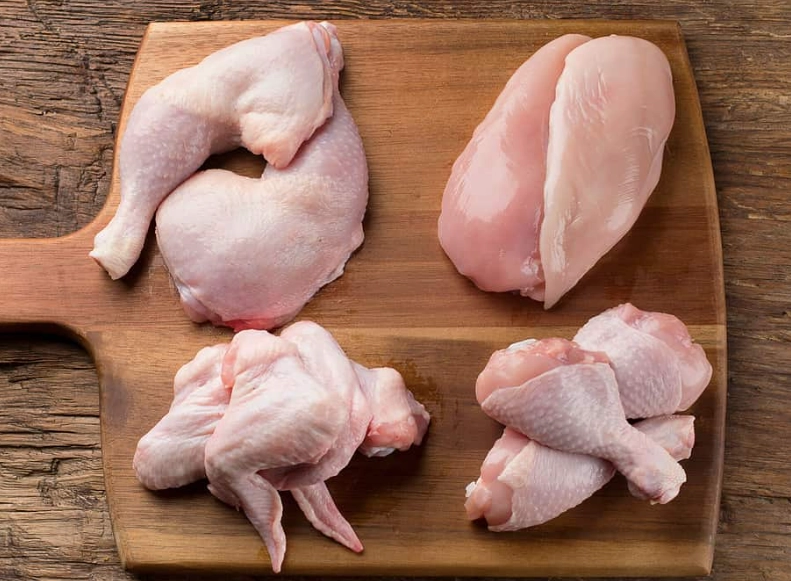
- Chicken Breast: ~26g protein, ~3g fat. Extremely close, but often slightly thicker and can dry out faster.
- Chicken Thigh (boneless, skinless): ~22g protein, ~9g fat. More flavor and moisture, but significantly more fat and calories.
- Top Sirloin Steak (lean): ~25g protein, ~8g fat. Great protein, but higher in saturated fat.
The tenderloin wins on pure protein-to-fat ratio. It's almost pure muscle fiber with minimal connective tissue or fat marbling. That's its superpower and its main cooking challenge.
Why Chicken Tenderloin Protein is a Secret Weapon
It's not just about grams. The protein in chicken tenderloin is complete, meaning it contains all nine essential amino acids your body can't make on its own. One of these, leucine, is a key trigger for muscle protein synthesis—the process of building and repairing muscle.
For anyone trying to lose weight, this is critical. High-protein foods increase satiety (that feeling of fullness) more than carbs or fat. They also have a high thermic effect, meaning your body burns more calories just digesting them. A 4-oz serving of tenderloin can keep you full for hours for around 130 calories. Try doing that with a bag of crackers.
But here's a mistake I see all the time: people treat "white meat" as a monolithic category. They think a chicken tenderloin, a breast, and a wing (without skin) are nutritionally identical. They're not. The tenderloin, because of its specific location (underneath the breast, along the sternum), has the most consistent, fine-grained muscle texture with the least amount of internal fat. A breast filet might have a slightly thicker fat cap or uneven thickness. It's a small difference on paper, but it translates to guaranteed leanness and predictable cooking time every single time you pick up a pack of tenderloins.
The Biggest Misconception About "White Meat"
Many assume all lean chicken is dry and boring by necessity. That's a cooking failure, not a protein failure. The tenderloin's lack of fat isn't a flaw; it's a blank canvas. It doesn't come with strong flavors from fat, so it absorbs marinades, spices, and cooking sauces incredibly well. The problem is most people overcook it out of fear of undercooking, turning that perfect canvas into sawdust.
How to Cook It Right: The Moisture-Locked Method
You can have the best protein source in the world, but if it tastes terrible, you won't eat it. After ruining more tenderloins than I care to admit, I landed on a method that works every time. It's not about fancy techniques; it's about controlling heat and moisture.
The Pan-Seared & Steam-Finish Method:
- Don't skip the brine (or dry brine). Even 20 minutes in a simple saltwater solution (1/4 cup salt to 4 cups water) makes a dramatic difference. It seasons the meat all the way through and helps it retain water during cooking. No time? Just pat them dry and sprinkle lightly with salt 10 minutes before cooking.
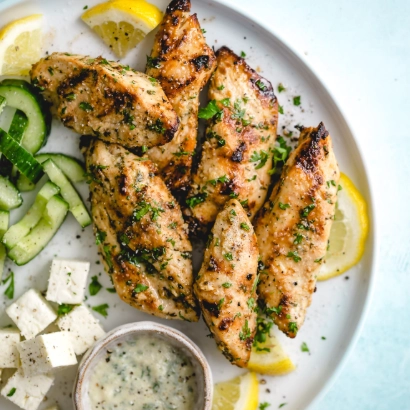
- High heat, short sear. Get a stainless steel or cast iron pan screaming hot. Add a tiny bit of oil. Pat your tenderloins completely dry—this is non-negotiable for a good sear. Sear for just 60-90 seconds per side until you get a golden-brown crust. You're not cooking them through here.
- The steam finish. This is the key. Reduce the heat to low. Add a couple tablespoons of liquid—water, chicken broth, lemon juice, even a splash of white wine—to the pan and immediately cover it with a lid. Let them steam/gentle simmer for 3-4 minutes. The liquid creates a moist environment that gently cooks the interior without wicking away all the juices.
- Rest, then serve. Turn off the heat, leave the lid on, and let them sit for another 3 minutes off the direct heat. The residual steam finishes the job. The internal temperature should hit 165°F (74°C). They'll be juicy, tender, and fully safe to eat.
This method beats baking for small batches because you have more control. Baking a few tenderloins in a big oven often leads to overcooking before a good sear develops.
Putting It to Work: A Simple Weekly Meal Plan
Let's make this practical. Say you buy a 1.5 lb pack of raw chicken tenderloins (about 24 oz). Here’s how it breaks down into a week of high-protein meals for one person, assuming a 4-6 oz cooked portion per meal.
- Day 1 (Lunch): Asian-Glazed Tenderloins. Use the pan method above, but for the steaming liquid, use 1 tbsp soy sauce, 1 tbsp honey, 1 tsp grated ginger, and 1 tbsp water. Steam, then uncover and let the sauce reduce to a glaze. Serve over a big bowl of steamed broccoli and brown rice. (Protein: ~30g per meal)
- Day 2 (Dinner): "Everything" Spiced Tenderloin Salad. Dry rub tenderloins with a mix of garlic powder, onion powder, sesame seeds, poppy seeds, and salt. Pan-sear and steam. Slice and toss over mixed greens, cherry tomatoes, cucumber, and a light lemon-tahini dressing. (Protein: ~28g)
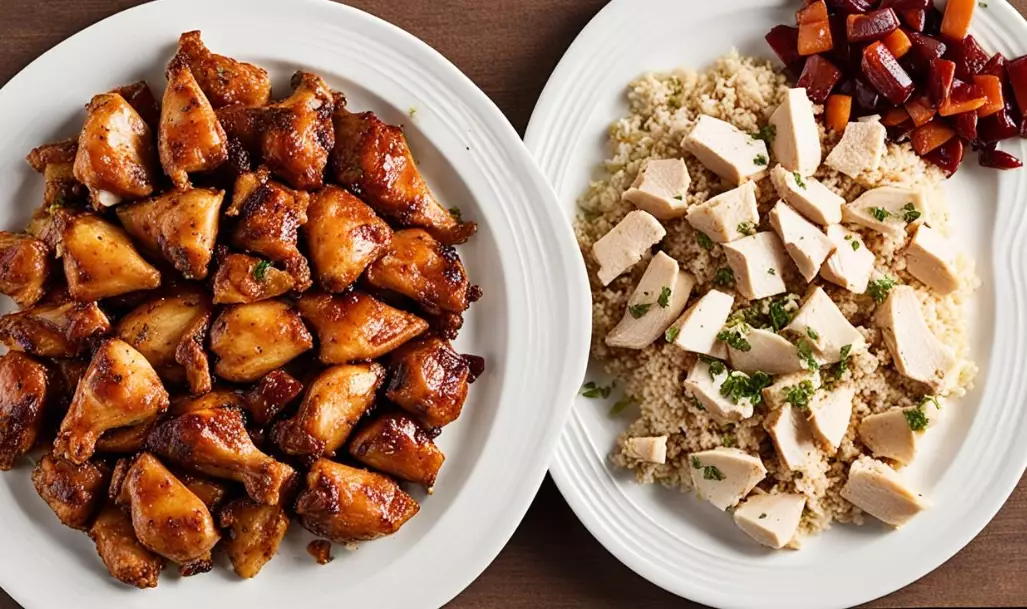
- Day 3 (Lunch): Classic Meal Prep Boxes. This is where tenderloins shine. Bake a batch of 6-8 tenderloins at 400°F (200°C) for 12-15 minutes (brined first!). Portion into containers with 1/2 cup quinoa and a large handful of roasted green beans. Drizzle with a little pesto or chimichurri before eating. (Protein: ~27g)
The cost? A pack of tenderloins is often priced similarly to chicken breast, sometimes a dollar more per pound. For the convenience and guaranteed leanness, it's worth it. You're paying for zero waste—no trimming, no tendons, just ready-to-cook protein.
Your Protein Questions, Answered
Is the protein in chicken tenderloin enough for building muscle after a workout?
I'm trying to lose weight. Is chicken tenderloin or chicken breast better?
Can I eat chicken tenderloin every day? Is there a downside?
How does frozen vs. fresh affect the protein content?
Related Articles