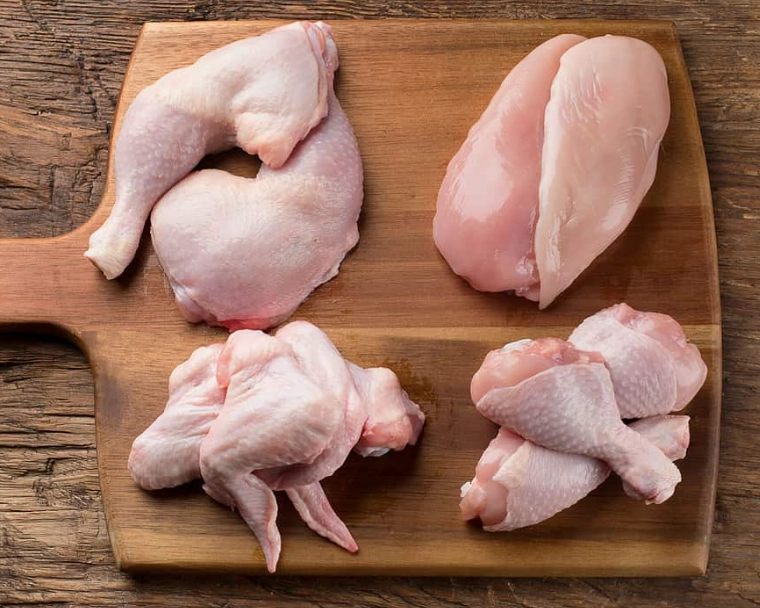
White Meat vs Dark Meat Chicken: The Ultimate Guide for Cooking & Nutrition
You grab a pack of chicken at the store. Breast or thighs? It seems simple, but that choice changes everything in the kitchen—flavor, texture, cooking time, even nutrition. Most home cooks stick to one, scared of messing up the other. I get it. I used to burn chicken breasts into dry hockey pucks while my thighs swam in grease. The problem wasn't the chicken; it was not knowing the fundamental difference between white and dark meat. This isn't just about color. It's about muscle biology, which dictates how you should cook every single piece. Let's cut through the noise.
What’s Inside This Guide?
The Science Behind the Color: It’s Not What You Think
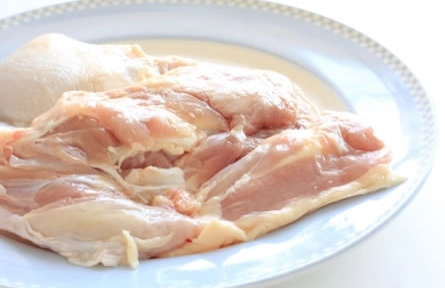
Forget the old myth about blood content. The difference boils down to one protein: myoglobin. Think of it as oxygen storage for muscles. Muscles that work constantly—like the legs and thighs of a chicken that walks around all day—need a steady, on-demand oxygen supply. They're packed with myoglobin, which is dark red. That’s your dark meat.
Muscles used for short bursts, like the wings (for flapping) and especially the breast (which barely does anything), need less oxygen on standby. Less myoglobin means lighter-colored meat. That’s your white meat.
This biological fact creates a cascade of differences. Dark meat has more fat, both within the muscle fibers (intramuscular fat or marbling) and around them. This fat melts during cooking, self-basting the meat from the inside. White meat is lean. It has almost no fat to protect it from the heat. That’s why a 5-degree overcook on a breast feels like a culinary tragedy, while a thigh can handle a wider margin of error.
Nutritional Showdown: Beyond Just Calories
Let's get specific. Here’s a breakdown for a 100g (3.5oz) cooked, skinless portion, based on data from the USDA FoodData Central.
| Nutrient | Chicken Breast (Skinless) | Chicken Thigh (Skinless) | Why It Matters |
|---|---|---|---|
| Calories | 165 kcal | 209 kcal | White meat wins for strict calorie counting. |
| Protein | 31g | 26g | Both are excellent sources. Breast is slightly more concentrated. |
| Total Fat | 3.6g | 10.9g | The major difference. Thigh fat is mostly unsaturated. |
| Iron | 0.9mg (5% DV) | 1.3mg (7% DV) | Thanks to myoglobin, dark meat provides more heme iron, which your body absorbs more easily. |
| Zinc | 1.0mg (9% DV) | 2.4mg (22% DV) | Dark meat is significantly richer in this immune-supporting mineral. |
| Vitamin B12 | 0.3μg (13% DV) | 0.4μg (17% DV) | Both are good, dark meat has a slight edge. |
Looking at this, calling one "healthy" and the other "unhealthy" is nonsense. It's about your goals.
Choose Chicken Breast if: You're on a very strict fat/calorie budget for weight loss or a bodybuilding cut. You need maximum protein per calorie.
Choose Chicken Thighs if: You prioritize flavor, satiety (fat helps you feel full), and a broader nutrient profile (more iron and zinc). The fat content also helps absorb fat-soluble vitamins from other foods in your meal.
The biggest mistake? Assuming skinless thigh meat is "bad for you." It's nutrient-dense food. The real nutritional villain is often the sugary sauce or breading we dump on it, not the meat itself.
Mastering the Cook: Temperature is Your Secret Weapon
This is where most recipes fail you. They give one time for "chicken," but white and dark meat have different finish lines.
The Golden Rule of Doneness
- White Meat (Breast): Cook to 155°F (68°C), then rest. It will carry over to a safe 165°F (74°C). Pulling it at 165°F means it's already overdone. The proteins squeeze out all the moisture. A good digital thermometer is non-negotiable here. I like the ThermoPop from ThermoWorks for its speed and accuracy.
- Dark Meat (Thighs, Legs): These have more collagen and fat. They actually benefit from cooking to a higher temperature, 175°F-185°F (79°C-85°C). This renders the fat fully and breaks down tough collagen into gelatin, making the meat incredibly tender and juicy. Cooking a thigh only to 165°F can leave it slightly rubbery.
Cooking Method Matchmaker
Best for White Meat (Breast):
Sous Vide: The ultimate cheat code. Cook at 149°F (65°C) for 1-2 hours. It comes out impossibly juicy every single time.
Quick Pan-Searing: Pound to even thickness, sear hot and fast, finish with a pan sauce. Don't walk away.
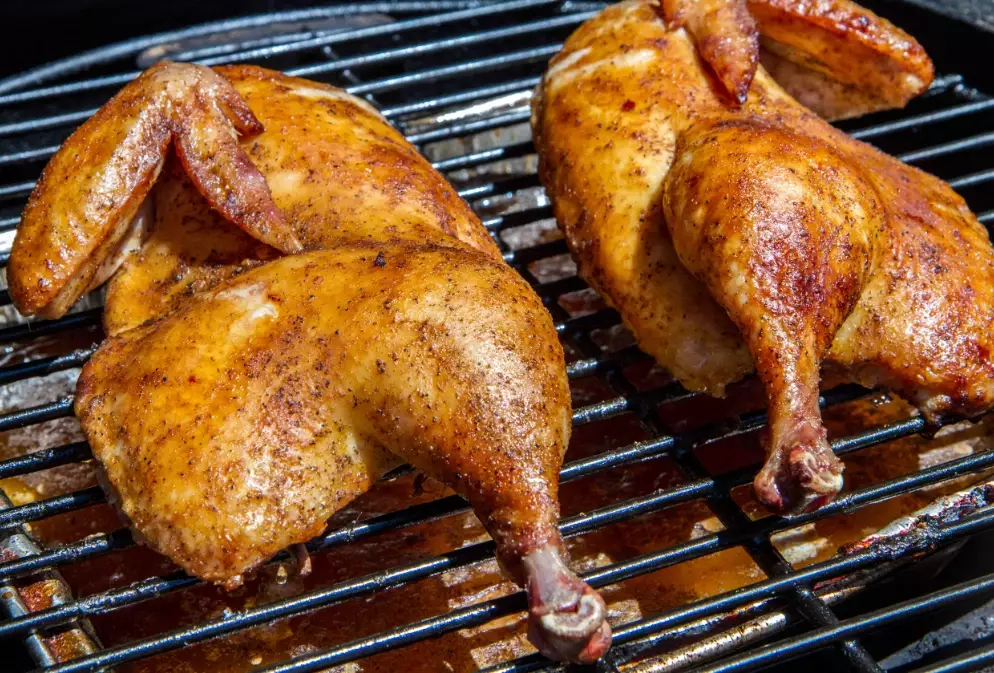
Grilling: Use direct, high heat. Have a cooler zone to move it to if it's cooking too fast.
Best for Dark Meat (Thighs, Legs):
Braising & Stewing: The long, moist heat is perfect for breaking down connective tissue. Think coq au vin, chicken cacciatore.
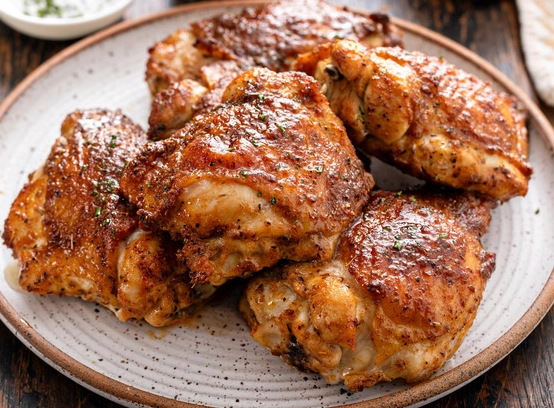
Roasting: Roast skin-on thighs at a high temp (425°F/218°C) for crispy skin and tender meat.
Slow Cooking: They won't dry out. Shred for tacos, soups, or sandwiches.
How to Choose Between White and Dark Meat?
Stop guessing. Use this decision tree.
You're making a salad, wrap, or stir-fry where the chicken is diced and mixed with other ingredients.
→ Lean towards White Meat. Its milder flavor and firmer, cube-able texture work better. A thigh piece in a cold salad can feel greasy.
You're cooking for a crowd with mixed diets, or you're meal-prepping plain protein.
→ Lean towards White Meat. It's the safer, more universally accepted choice. You can always add flavor with sauces later.
You're building a dish where the chicken is the star and you want deep, savory flavor without much work.
→ Choose Dark Meat. Every time. Thighs in a curry, adobo, or roasted with vegetables deliver a richness breasts can't match.
You're on a tight budget.
→ Check prices, but often Dark Meat wins. Thighs and legs are frequently cheaper per pound than boneless, skinless breasts.
You're a beginner cook terrified of dry chicken.
→ Start with Dark Meat. Its forgiveness will build your confidence. Master thighs, then tackle the breast.
Your Top Chicken Questions, Answered
Why does my chicken breast always turn out dry, but my thighs are perfect?
Is dark meat chicken unhealthy because it has more fat?
Can I substitute chicken thighs for breasts in any recipe?
What's the deal with chicken tenderloins? Are they white or dark meat?
Is the grayish-pink color near the bone in cooked thighs safe to eat?
The white meat vs. dark meat debate isn't about finding a winner. It's about unlocking the right tool for the job. Knowing the science lets you cook with intention, not fear. Embrace the thigh for its flavor and forgiveness. Respect the breast for its lean protein, and arm yourself with a thermometer to conquer it. Your recipes—and your taste buds—will thank you.
Related Articles