The Ultimate Guide to Perfect Roast Chicken in Your Oven
Cooking a whole chicken in the oven should be a simple, rewarding triumph. Yet, for many, it ends in disappointment—a bird with pale, flabby skin perched atop dry, tasteless meat. I've been there. My early attempts were so dry they needed gravy just to be swallowed. But after years of trial, error, and learning from chefs much smarter than me, I've cracked the code. The goal isn't just a cooked chicken; it's a juicy, flavorful centerpiece with crispy, golden skin that makes you feel like a kitchen hero. Forget the complicated brines and fussy techniques. The secret lies in understanding a few non-negotiable principles.
What's Inside This Guide?
The 3 Non-Negotiable Principles for Perfect Roast Chicken
Most recipes just give you steps. They don't tell you why. If you understand these three things, you can adapt any recipe and still win.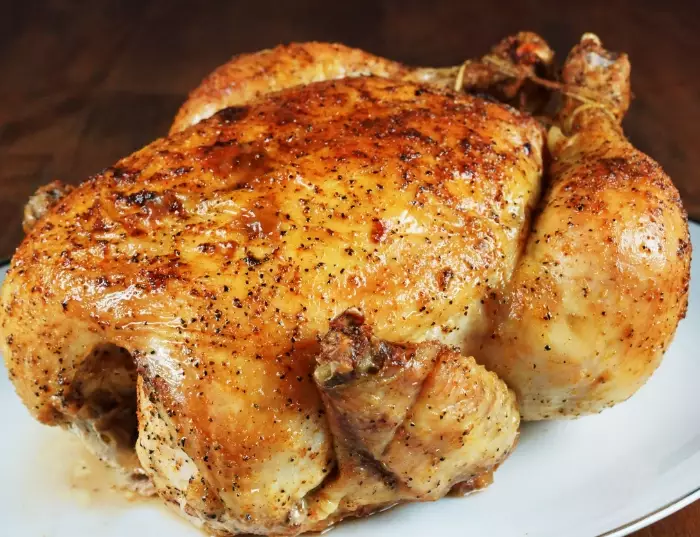
1. Dry Skin is Crispy Skin (The Biggest Mistake Everyone Makes)
You pat the chicken dry, right? Good. But it's not enough. The single biggest error I see is not letting the skin dry out thoroughly before it hits the heat. Moisture is the enemy of crispness. That's why I'm adamant about uncovered refrigeration. After you season it, place the chicken on a rack over a tray and leave it in the fridge, uncovered, for at least 4 hours, or ideally overnight. The cold, dry air works like a magic dehydrator. When that dry skin meets the hot oven, it crisps up gloriously instead of steaming.
2. Season Under the Skin, Not Just On It
Rubbing salt and herbs on the outside is like painting a house without priming the wood. The flavor doesn't penetrate. Gently slide your fingers between the skin and the breast meat, loosening it all over. Now, massage your seasoning blend directly onto the meat. This seasons the bird from the inside out and helps the fat under the skin render better, basting the meat as it cooks. It's a game-changer for flavor.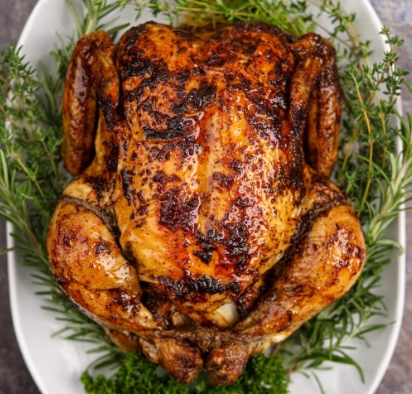
3. Cook to Temperature, Not Just Time
"Roast for 1.5 hours" is a guess. Chicken weights vary. Oven accuracy is a myth. Relying solely on time is a recipe for dry meat or, worse, undercooking. A good instant-read thermometer like a Thermapen is your best friend. You're aiming for 165°F (74°C) in the thickest part of the thigh, not touching bone. Pull the chicken out at about 155-160°F (68-71°C). The residual heat will carry it to the safe temperature while keeping the juices locked in.
Your Step-by-Step Roadmap to Roasting Success
Let's walk through a classic, foolproof method. This is my weekly go-to.
Prep (The Night Before or Morning Of): Remove giblets. Pat the chicken extremely dry inside and out with paper towels. Loosen the skin over the breasts and thighs. Mix 2 tbsp kosher salt with 1 tsp black pepper and your favorite dried herbs (thyme, rosemary). Rub ⅔ of this mixture under the skin, directly on the meat. Rub the rest on the outside and in the cavity. Truss the legs with kitchen twine (this promotes even cooking). Place on a rack set over a rimmed baking sheet and refrigerate uncovered for 4-24 hours.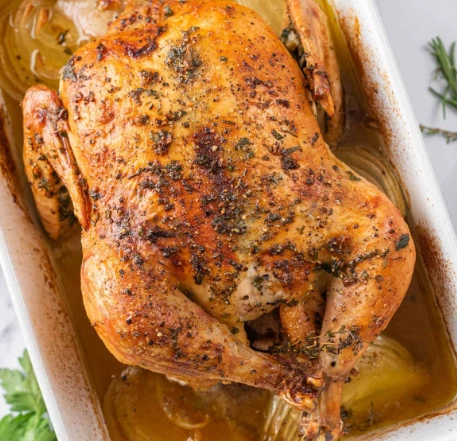
Roast: Take the chicken out 45 minutes before cooking to lose the chill. Preheat your oven to 425°F (220°C). Place the chicken breast-side up in a cast-iron skillet or on a rack in a roasting pan. Tuck some onion wedges and lemon halves in the cavity. Roast for 15 minutes at this high heat to kickstart the browning.
Without opening the door, reduce the heat to 375°F (190°C). Continue roasting until the thermometer reads 155-160°F in the thigh. For a 4lb chicken, this second phase takes about 45-60 minutes.
Rest (Don't Skip This!): Transfer the chicken to a cutting board and tent loosely with foil. Let it rest for a full 20 minutes. This allows the frantic juices to relax back into the meat fibers. If you carve immediately, all that precious juice will just flood the board.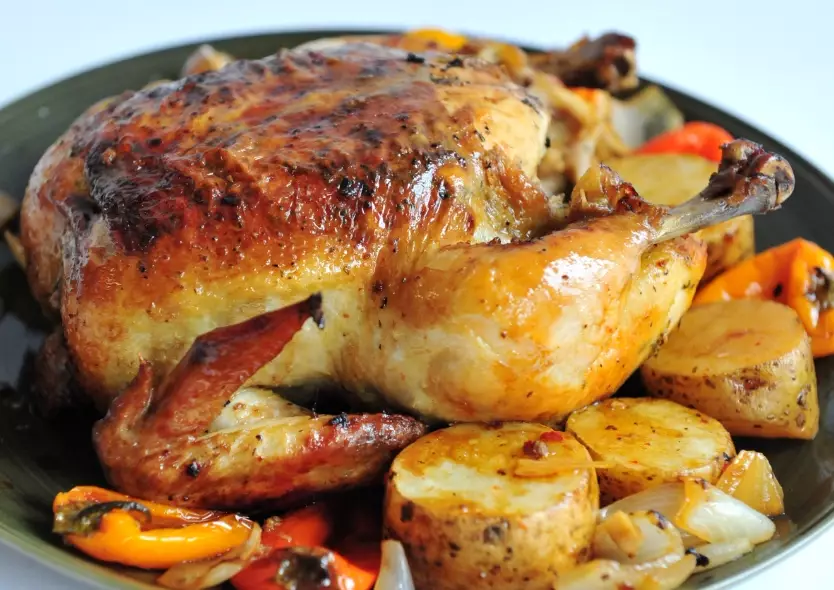
Beyond Basic: Flavor Variations to Master
Once you have the basic technique down, the world is your oyster. Here are two rock-solid variations that feel special.
The Lemon & Herb Classic
This is brightness personified. Under the skin, use a mix of salt, pepper, chopped fresh thyme, and rosemary. Inside the cavity, stuff a whole lemon (pierced all over with a fork), a halved head of garlic, and a bunch of herbs. As it roasts, the lemon steam perfumes the meat from the inside. The pan juices make an incredible, simple sauce with a splash of white wine.
The Spice-Rubbed Crispy Skin Bird
For something with more depth, mix 2 tbsp salt with 1 tbsp smoked paprika, 2 tsp garlic powder, 1 tsp onion powder, and ½ tsp cayenne. Do your under-the-skin rub with this. The paprika gives a beautiful color and a subtle smokiness that makes the skin irresistible. No need for extra cavity aromatics here—the spice rub carries the flavor.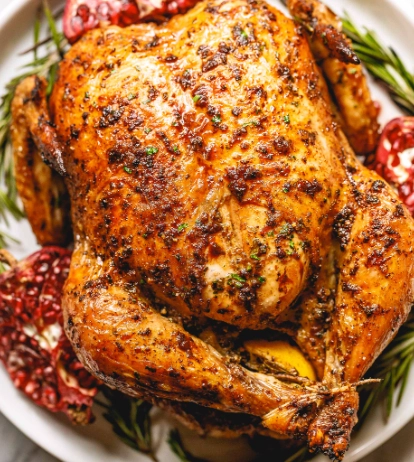
The Roast Chicken Time & Temperature Cheat Sheet
This table is your quick-reference guide. Remember, the thermometer is the final judge.
| Chicken Weight | Initial High-Heat Phase (425°F) | Lower-Temp Phase (375°F) *Estimated* | Target Internal Temp (Thigh) | Total Rest Time |
|---|---|---|---|---|
| 3 lbs (1.4 kg) | 15 minutes | 35-45 minutes | 155-160°F (68-71°C) | 15-20 minutes |
| 4 lbs (1.8 kg) | 15 minutes | 45-60 minutes | 155-160°F (68-71°C) | 20 minutes |
| 5 lbs (2.3 kg) | 15 minutes | 60-75 minutes | 155-160°F (68-71°C) | 25 minutes |
| 6 lbs (2.7 kg) | 15 minutes | 75-90 minutes | 155-160°F (68-71°C) | 25-30 minutes |
*Note: Ovens vary wildly. Start checking with your thermometer 15 minutes before the lower-temp phase estimate ends.*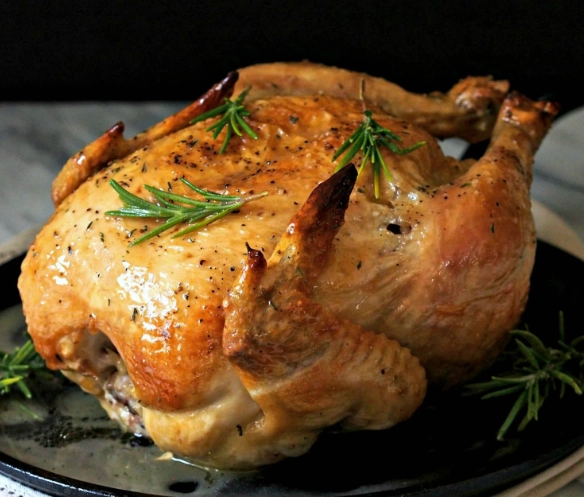
Solving Your Roast Chicken Problems
The beauty of a whole roast chicken is its simplicity and its spectacle. It's a fundamental skill that feels luxurious. It teaches you about heat, patience, and seasoning. Master this one dish, and the principles will bleed into everything else you cook. Stop being intimidated by that whole bird in the fridge. Preheat your oven, grab your salt, and get that skin dry. Your perfect roast chicken is waiting.
Related Articles