Breaded Chicken Cutlet Calories: The Full Guide (With Nutrition Facts)
Let's cut to the chase. A typical restaurant-style, deep-fried breaded chicken cutlet clocks in between 350 to 500 calories for a 6-ounce (170g) serving. But that number is almost meaningless on its own. It's like asking "how much does a car cost?"—the answer depends on a hundred different factors. The real story behind breaded chicken cutlet calories isn't a single number; it's about the chicken cut, the breading thickness, the cooking method, and the oil absorption that most calorie counters completely ignore. I've spent years analyzing restaurant menus and testing home recipes, and the variance is staggering. A poorly made cutlet can sneak in an extra 200 calories without you even tasting the difference.
What's Inside This Guide
Understanding Breaded Chicken Cutlet Calories: A Layer-by-Layer Analysis
Think of the calories in three distinct layers: the chicken, the breading, and the cooking fat. Most generic nutrition databases blend these together, giving you a fuzzy average. Let's separate them.
The Chicken Base: Breast vs. Thigh Matters More Than You Think
A 4-ounce (113g) raw, skinless chicken breast has about 120-130 calories. A same-sized skinless chicken thigh has about 160-180 calories. That's a 30% difference right from the start. Most "chicken cutlets" use breast, pounded thin. But if a restaurant or pre-made product uses thigh meat for juiciness (and many do), the calorie base is higher. They rarely advertise this switch.
The Breading: The Silent Calorie Bomb
This is where amateurs get tripped up. The breading isn't just a dusting; it's a sponge. A standard breading station has three steps: flour, egg wash, breadcrumbs. The flour layer helps the egg stick, the egg binds the crumbs, and the crumbs create the crust. The calorie density of the crumbs is key.
Here’s a quick comparison of common coating calories per 1/4 cup (used for one large cutlet):
| Coating Type | Approx. Calories | Notes |
|---|---|---|
| All-Purpose Flour | 110 | Light layer, minimal on its own. |
| Fine Dry Breadcrumbs | 110 | Forms a dense, oil-hungry seal. |
| Panko Breadcrumbs | 130 | Larger flakes, crispier, often absorbs slightly less oil than fine crumbs. |
| Crushed Cornflakes | 120 | Very crisp, can be high in sugar. |
| Grated Parmesan (for a mix) | 110 | Adds flavor, reduces need for salt. |
The Cooking Method: Where Calories Can Double
Deep-frying in oil at 350°F (175°C) is the classic method. The breading hydrates and cooks, forming a barrier. But a poorly managed fry—oil too cold, cutlet crowded in the pan—leads to greasy, calorie-laden results. The breading soaks up oil like a paper towel. Shallow pan-frying uses less oil but requires constant attention. Baking is the low-calorie champion, but often yields a less crispy texture. Air frying? It's a game-changer, mimicking deep-frying with a fraction of the oil. We'll get to that.
The U.S. Department of Agriculture's FoodData Central is the gold standard for basic ingredient nutrition, and their data shows that frying can add 50-100 calories of pure fat to a cutlet compared to baking.
How to Calculate Calories in Your Homemade Cutlet
Forget guessing. If you care about calories, you need to weigh and log. Here’s my non-negotiable process, developed after countless meal preps.
- Weigh Your Raw Chicken: Place your trimmed chicken breast on a kitchen scale. Let's say it's 150g.
- Weigh Your Breading Components Separately: Set up three bowls: flour, beaten egg, breadcrumbs. Weigh each bowl before you start dredging. After you've coated all your cutlets, weigh the bowls again. The difference is how much coating stuck to your chicken. This is more accurate than estimating "2 tbsp of flour."
- Account for Oil: This is the trickiest part. For deep-frying, measure the oil in your pot before and after. For pan-frying, I assume 1-2 teaspoons (5-10ml) of oil absorbed per cutlet, depending on breading thickness. Baking or air frying with a light spray might add only 1-2 grams of oil (9-18 calories).
Let's run a real scenario: You make a 150g (5.3oz) chicken breast cutlet. It picks up 10g of flour, 20g of egg wash (mostly water, focus on the egg), and 30g of panko. You pan-fry it, and it absorbs about 7g of oil.
How to Reduce Breaded Chicken Cutlet Calories (Seriously)
You don't have to give up crunch. These are the levers you can pull, based on what I've found actually works in the kitchen, not just in theory.
1. Choose and Prepare the Chicken Wisely
Start with skinless chicken breast. Pound it to an even 1/2-inch thickness. This isn't just for even cooking; a thinner cutlet has a higher surface-area-to-volume ratio, meaning more crispy crust per bite relative to meat. People often skip this and end up with a thick, bready center.
2. Revolutionize Your Breading Station
Ditch the triple-dredge for a double-dip sometimes. Try this: Season the chicken heavily. Dip in egg wash (or a mix of egg and a splash of milk or Greek yogurt for protein). Then press directly into seasoned panko mixed with a little grated Parmesan. The Parmesan adds umami, allowing you to use less salt, and helps the crust brown beautifully.
For a major cut, try a "barely there" crust. Brush the chicken with mustard or thinned Greek yogurt, then roll in a mix of panko and herbs. Bake it. The crust is delicate but present, saving you maybe 80-100 calories from a standard breading.
3. Master the Air Fryer (The #1 Calorie Saver)
This isn't hype. An air fryer circulates super-hot air, crisping the breading with minimal oil. My method: Prepare the cutlet as usual. Lightly spray both sides with cooking oil (I mean light—a one-second spray). Air fry at 400°F (200°C) for 10-12 minutes, flipping halfway. The result? A cutlet with 30-40% fewer calories than its deep-fried twin, and often crispier because the air circulates all around. The texture is different—lighter, flakier—but after a few tries, I actually prefer it.
4. The Baking vs. Pan-Frying Decision
Baking is reliable. Place breaded cutlets on a wire rack set over a baking sheet. This lets hot air circulate underneath, preventing a soggy bottom. You'll use maybe 1/2 tablespoon of oil total for a light brush or spray. Pan-frying can be moderate-calorie if you use a good non-stick pan and a measured amount of oil (like 1 tablespoon for 2 cutlets).
Navigating Restaurant & Store-Bought Calorie Traps
This is the minefield. A "Chicken Milanese" at an Italian restaurant could be a 10-ounce behemoth, fried in olive oil, served over a bed of arugula (healthy, right?). That salad underneath is often dressed with the oil dripping down. You're easily looking at 800+ calories.
Ask how it's cooked. Is it pan-fried, deep-fried, or baked? Most servers know. Request sauce on the side. Lemon wedges are your friend. Consider sharing. One cutlet is often enough for two people when paired with sides.
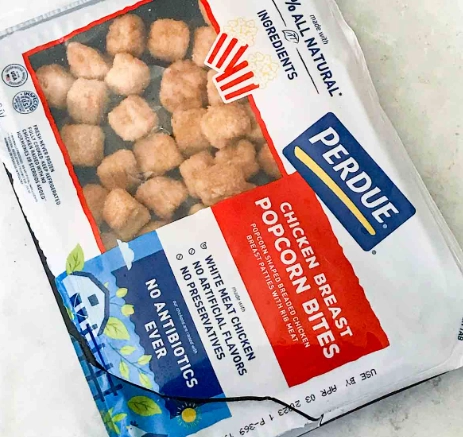
For store-bought frozen breaded chicken cutlets, the nutrition label is law—but be skeptical of serving sizes. A box might say "3 servings," but the pack contains two large cutlets. People naturally eat one. Check if the product is "pre-fried." These have the oil already absorbed, so baking them at home doesn't magically remove those calories. You're just reheating a high-calorie product.
Frequently Asked Questions on Chicken Cutlet Calories
I use an air fryer. Realistically, how many calories am I saving compared to deep frying?
The savings are substantial, primarily from eliminating oil absorption. A deep-fried cutlet can absorb 2-4 tablespoons of oil (240-480 calories just from the oil). An air-fried version needs only a light spray (maybe 1-2 teaspoons, or 40-80 calories). You're looking at a reduction of 200-400 calories on the oil alone, plus potentially a slightly lighter breading adherence. The total calorie count can be 25-40% lower.
Are panko breadcrumbs lower in calories than regular breadcrumbs?
Not really, calorie-wise they're similar per weight. The advantage of panko is structural. The large, flaky crumbs create a craggier, airier crust that tends to absorb slightly less oil during frying and gets crispier when baked or air-fried. So while the breading itself might have the same calories, the final product often ends up with fewer total calories because it holds less grease.
How do calories in a chicken cutlet compare to chicken tenders or nuggets?
Cutlets usually win, surprisingly. A single, large cutlet has less total breading surface area relative to its meat content than a pile of tenders or nuggets, which are all about maximizing crust. Nuggets, especially, are often made from processed meat and have a very high breading-to-meat ratio. Per ounce of edible food, nuggets and tenders are often more calorie-dense due to this coating overload.
What's the best low-calorie dip for a breaded chicken cutlet?
Skip the creamy ranch or honey mustard (100+ calories per 2 tbsp). Go for hot sauce (negligible calories), a squeeze of fresh lemon, Greek yogurt mixed with dill and garlic, or a tablespoon of marinara sauce (about 20 calories). The acidity or tang cuts through the richness without piling on empty calories.
If I'm counting calories strictly, is it better to just skip the breading entirely?
Not necessarily. The psychological satisfaction matters. A plain grilled chicken breast is about 165 calories for 150g. A well-made, air-fried cutlet might be 250-300 calories. That 100-calorie difference buys you immense meal satisfaction, which can prevent you from feeling deprived and snacking later on something worse. It's about smart budgeting, not total elimination.
Related Articles