Boneless Skinless Chicken Thigh Calories: Nutrition, Health Benefits & Cooking Tips
Let's get straight to it. A 100-gram serving of cooked, boneless, skinless chicken thigh contains about 179 calories. But if you stop reading there, you're missing the whole story. I spent years as a fitness coach watching people grimace through dry chicken breast, convinced it was the only "healthy" option, while completely overlooking the juicier, more flavorful, and surprisingly nutritious thigh. The obsession with calories often blinds us to what really matters: satiety, nutrient density, and actually enjoying the food you eat. Boneless, skinless chicken thigh is a secret weapon for sustainable healthy eating, and understanding its complete profile—beyond just the calorie count—is key.
What You'll Find in This Guide
How Many Calories Are in Boneless Skinless Chicken Thigh?
The United States Department of Agriculture (USDA) FoodData Central is the gold standard for this data. According to their latest entries, here's the detailed nutritional profile for a 100-gram (about 3.5-ounce) serving of roasted boneless, skinless chicken thigh.
| Nutrient | Amount | % Daily Value (DV)* |
|---|---|---|
| Calories | 179 kcal | 9% |
| Protein | 24.5 g | 49% |
| Total Fat | 8.2 g | 11% |
| Saturated Fat | 2.2 g | 11% |
| Iron | 1.1 mg | 6% |
| Zinc | 2.4 mg | 22% |
| Selenium | 24.1 µg | 44% |
| Niacin (Vitamin B3) | 6.9 mg | 43% |
| Vitamin B6 | 0.4 mg | 24% |
*Based on a 2,000-calorie diet. Percentages are rough estimates.
Notice something? The protein content is massive—nearly 25 grams per serving. That's what makes the calorie count so efficient. You're getting a huge amount of building-block nutrients for your muscles and metabolism in a relatively compact calorie package. The fat content, often the source of worry, is primarily unsaturated. That 2.2 grams of saturated fat? It's not the dietary villain it's been made out to be in moderate amounts, especially when balanced with this nutrient profile.
Real-World Portion: A typical serving you'd cook at home is closer to 150-200 grams (5-7 oz). So, a decent-sized thigh might land you around 270-360 calories, paired with a staggering 37-49 grams of protein. That's a meal that will keep you full for hours.
Boneless Skinless Chicken Thigh vs. Chicken Breast: The Honest Comparison
Everyone wants to know how it stacks up against the poster child of diet food. Let's lay it out clearly.
For the same 100-gram serving, roasted chicken breast has about 165 calories and 31 grams of protein, with only 3.6 grams of fat. On paper, breast wins for pure protein-to-calorie ratio and lower fat.
But here's the non-consensus view I've formed after a decade of cooking and coaching: the thigh wins on practicality, flavor, and nutritional breadth for most people.
- Flavor & Moisture: Thighs have more intramuscular fat. This isn't just "extra fat"; it's insurance against overcooking. A dry, stringy chicken breast is a common kitchen failure. Thighs stay juicy even if you leave them in the oven a few minutes too long. Flavor compounds are also fat-soluble, so thighs simply taste more like chicken.
- Micronutrient Edge: Look back at that table. Thighs are significantly richer in iron, zinc, and selenium—minerals crucial for immunity, metabolism, and thyroid function. Chicken breast isn't a poor source, but thighs are a better one.
- Satiety Factor: The combination of high protein and moderate fat triggers a stronger and longer-lasting feeling of fullness. For many, a thigh-based meal reduces the urge to snack an hour later, which a lower-calorie breast meal sometimes fails to do.
The breast is a fantastic tool for elite bodybuilders in a cutting phase where every gram of macro matters. For everyone else—people cooking weeknight dinners, trying to lose weight sustainably, or just wanting to enjoy their food—the boneless skinless chicken thigh is often the smarter, more satisfying choice.
Health Benefits Beyond the Calorie Count
Focusing solely on the 179 calories ignores why this cut is so good for you.
An Excellent Source of High-Quality Protein
It provides all nine essential amino acids your body can't make. This is crucial for maintaining muscle mass (especially important as we age), repairing tissues, and supporting enzyme and hormone function. That high protein content has a high thermic effect, meaning your body burns more calories just digesting it.
Rich in Key Minerals
Iron: The iron in chicken (heme iron) is more easily absorbed than the iron from plants. Vital for oxygen transport in your blood.
Zinc: Supports immune function, wound healing, and DNA synthesis. Many people are borderline deficient.
Selenium: A powerful antioxidant that supports thyroid health and protects cells from damage. One serving provides nearly half your daily needs.
B Vitamins for Energy Metabolism
Niacin (B3) and B6 are co-factors in hundreds of enzymatic reactions in your body, primarily those involved in converting food into usable energy. They support brain health and nervous system function.
How to Cook Boneless Skinless Chicken Thigh for Maximum Flavor and Health
This is where the magic happens. The right technique transforms it from a simple ingredient into the star of your meal. The forgiving nature of thighs is their biggest asset.
1. The Perfect Oven-Baked Thigh
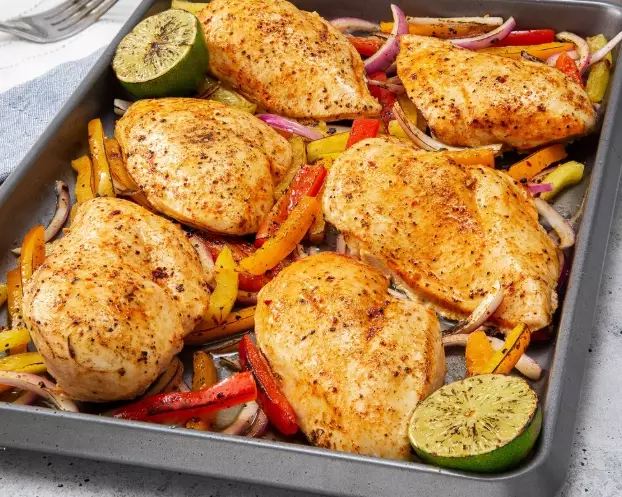
My weeknight staple. Preheat your oven to 425°F (220°C). Pat the thighs dry—this is the step everyone skips, but it's critical for browning, not steaming. Toss with a tablespoon of olive oil, salt, pepper, and your favorite dried herbs (paprika, thyme, garlic powder). Arrange on a parchment-lined sheet pan, making sure they aren't crowded. Bake for 20-25 minutes until the internal temperature hits 165°F (74°C) and the edges are crispy. No need to flip. Let rest for 5 minutes.
2. Pan-Searing for a Crispy Exterior
Heat a heavy skillet (cast iron is best) over medium-high heat. Add a thin layer of high-smoke-point oil (avocado or refined olive oil). Season thighs and place them in the hot pan. Don't touch them for 5-6 minutes to develop a deep golden crust. Flip and cook another 5-7 minutes until done. You can finish with a pan sauce—deglaze with a little broth, lemon juice, and a pat of butter for a restaurant-quality touch.
3. The "No-Dry-Out" Simmering Method
For stews, curries, or shredded chicken, thighs are unbeatable. Because of their fat content, they can simmer for 30-45 minutes in a liquid and become more tender, not tough. Cube them and add to a curry 20 minutes before serving, or simmer whole thighs in a flavorful broth, then shred with two forks for tacos or salads.
Expert Tip: Invest in a cheap instant-read thermometer. Pull your thighs off the heat at 160-162°F (71-72°C). The residual heat will carry them to a safe 165°F while preserving every bit of juiciness. Cooking to 175°F "just to be safe" is the main reason people end up with dry chicken, even with thighs.
Fitting Boneless Skinless Chicken Thigh Into Your Diet Plan
Whether you're counting calories, macros, or just aiming for healthier meals, thighs fit seamlessly.
- For Weight Loss: Pair a 150-gram thigh (~270 cals) with a massive portion of non-starchy vegetables (broccoli, peppers, zucchini—150 grams is maybe 50 calories) and a modest 100-gram serving of a complex carb like quinoa or sweet potato (~120 cals). You've got a balanced, filling meal under 450 calories that's packed with fiber, vitamins, and protein.
- For Muscle Gain: This is a premium protein source. Have a thigh with your post-workout meal alongside your carbs to aid recovery and synthesis.
- For Meal Prep: Thighs reheat far better than breast. Bake a big batch on Sunday. Store them in the fridge for 4 days. Use them cold on salads, reheated quickly in a skillet, or chopped into a stir-fry. The fat content prevents them from turning into rubber when microwaved.
I used to prep only chicken breast and dreaded my lunches by Wednesday. Switching to thighs made meal prep something I actually looked forward to.
Debunking Common Myths About Chicken Thigh Calories
Myth 1: "It's too high in saturated fat." A 100-gram serving has 2.2 grams. The American Heart Association suggests limiting saturated fat to about 13 grams per day on a 2,000-calorie diet. One serving of thigh uses less than 20% of that allowance. In the context of a balanced diet, this is insignificant, especially compared to processed foods or fatty cuts of red meat.
Myth 2: "Chicken breast is always the healthier choice." As we've seen, "healthier" depends on your definition. If your goal is the absolute highest protein per calorie with the lowest fat, breast wins that narrow metric. If your goal is nutrient density, satiety, enjoyment, and cooking success, the thigh often provides more overall health value.
Myth 3: "The calorie difference is huge." It's about 14 calories per 100 grams. That's literally one small bite of an apple. Choosing a thigh over a breast for your dinner is not what's hindering weight loss; it's the overall portion sizes, cooking oils, and side dishes that usually make the difference.
Frequently Asked Questions (Your Concerns, Addressed)
Can I eat boneless skinless chicken thigh every day on a diet?
You absolutely can, and many people find it more sustainable than forcing down daily chicken breast. The key, as with any single food, is variety. Rotate it with other protein sources like fish, legumes, eggs, and lean red meat a couple of times a week to ensure a broader range of nutrients. Its high protein and moderate fat profile make it an excellent staple for weight management.
How can I reduce the calories in boneless skinless chicken thigh when cooking?
Focus on your cooking method. Avoid deep-frying or drowning thighs in heavy, calorie-dense sauces. Baking, grilling, air-frying, or pan-searing with a light spray of oil are your best bets. Remember, the calorie count on the package is for the raw meat. Adding a tablespoon of oil adds 120 calories, so measure your cooking fats.
Is boneless skinless chicken thigh good for a high-protein, low-carb diet like keto?
It's an outstanding choice for keto and other low-carb diets. It's virtually zero-carb, high in protein, and contains a beneficial amount of fat to help you reach your daily fat intake goals for ketosis. Just be mindful of your personal fat macro—if you need to add more fat, cook it in butter or avocado oil; if you need to limit fat, trim any visible excess and bake it on a rack.
Does the cooking method change the calorie count significantly?
It changes the calories of the final dish, not the meat itself. Grilling or baking without added fat keeps it closest to the raw count. Pan-frying adds the calories of the oil absorbed. Breaded and fried thighs can have double or triple the calories due to the coating and oil. The meat's inherent calorie and protein content remains largely stable.
I'm used to chicken breast. How do I adjust cooking times for thighs?
Thighs are thicker and denser. If you're baking at the same temperature (say, 400°F), add 5-8 minutes to the time you'd use for a breast of similar thickness. Always, always use a thermometer. The visual cue is less reliable. They're done when they reach 165°F internally, but as noted, pulling them at 160°F yields a juicier result.
The bottom line is simple. Boneless, skinless chicken thigh is a nutritious, versatile, and deeply satisfying protein that deserves a prime spot in your kitchen. Don't let a fixation on a single calorie number rob you of its benefits. Understand the full picture, cook it with care, and enjoy a healthier relationship with your food that doesn't sacrifice flavor.
Related Articles