Do Chickens Have Gluten? A Complete Guide to Safe Eating
Let's cut to the chase. A plain, raw chicken breast sitting in your grocery store? No gluten. It's a single-ingredient animal protein. But ask anyone with celiac disease or a serious gluten sensitivity, and they'll tell you that's where the conversation starts, not ends. The real question isn't about the chicken itself, but about everything that happens to it between the farm and your fork. That's where people get tripped up, and that's what we're going to unpack.
I've been navigating a strict gluten-free diet for over a decade, thanks to a celiac diagnosis that turned my eating habits upside down. I've made the mistakes so you don't have to. I've sent back restaurant meals, scrutinized thousands of labels, and learned that the difference between safe and sick often lies in the details most articles gloss over.
What You'll Find in This Guide
The Core Truth: Chicken in Its Natural State is Gluten-Free
Gluten is a protein found in wheat, barley, rye, and their derivatives. Chickens, being birds, do not produce gluten. The meat, skin, bones, and organs are naturally free of it. The U.S. Department of Agriculture (USDA), which regulates meat, poultry, and eggs, confirms that plain, single-ingredient meats are gluten-free.
This is the foundational fact. If you are cooking a whole chicken from scratch at home, seasoning it only with salt, pepper, oils, and certified gluten-free herbs and spices, you are in the clear.
But here's the first nuance most people miss: "Gluten-free" labeling on raw meat is rare. The USDA doesn't require it for single-ingredient items, so don't panic if you don't see a label on that tray of thighs. The absence of a label doesn't mean it contains gluten; it means the producer didn't pay to certify what is inherently true. Your vigilance needs to be directed elsewhere.
Where Gluten Hides: The Real Risk Isn't the Chicken
This is the heart of the issue. Gluten is introduced through processing, preparation, and added ingredients. Think of it as contamination or inclusion after the fact.
1. Processed and Pre-Prepared Chicken Products
This is the biggest danger zone. Any chicken product that comes marinated, breaded, flavored, or shaped into something else is a candidate for containing gluten.
- Breaded Items: Obviously, chicken nuggets, tenders, patties, and fried chicken use breading made from wheat flour.
- Marinated or Seasoned Breasts/Thighs: The marinade often contains soy sauce (which uses wheat as a fermenting agent), hydrolyzed wheat protein, malt vinegar, or other grain-based thickeners and flavorings.
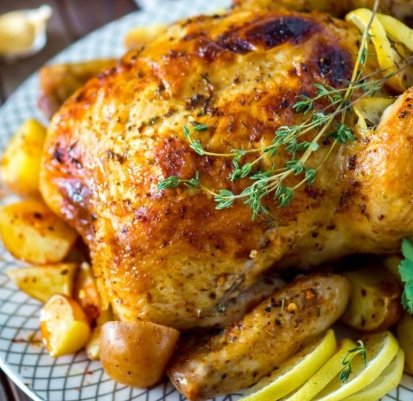
- Pre-Cooked/Rotisserie Chickens: The seasoning rubs or glazes applied to store-bought rotisserie chickens frequently contain gluten. A report from the Celiac Disease Foundation highlights that cross-contact in deli and prepared food areas is a major concern.
- Chicken Broths and Stocks: Canned or boxed broths sometimes use wheat as a thickener or include barley-derived flavorings.
I once bought "herb-seasoned" chicken breasts, assuming "herbs" meant rosemary and thyme. A closer look at the ingredients listed "natural flavors" and "yeast extract"—both of which can be derived from barley. I got sick. Now I only buy plain.
2. Cross-Contamination (Cross-Contact)
This is the silent threat, especially in shared kitchens and restaurants. It occurs when gluten-free food touches surfaces, utensils, or oils that have been used for gluten-containing foods.
Critical Scenarios:
• Fryers: If fries are cooked in the same oil as breaded chicken, the fries are no longer safe.
• Grills and Cutting Boards: A grill that just cooked a burger bun or a cutting board used for regular flour tortillas can transfer gluten.
• Deli Slicers: Slicers used for both regular and gluten-free meats are a classic contamination point.
This is why the phrase "naturally gluten-free" can be misleading. A grilled chicken breast is naturally gluten-free, but if it's grilled next to a marinated steak that uses soy sauce, it's not safe for celiacs.
Your Action Plan: How to Buy and Cook Gluten-Free Chicken Safely
Let's get practical. Here’s a step-by-step strategy to eliminate guesswork.
At the Grocery Store
Rule #1: Read the Ingredient List, Not Just the Front Label. "Gluten-Free" claims on processed items are regulated and reliable (in the US, per FDA rules). But for raw meat, you must read the fine print.
| Product Type | What to Look For | Red Flags | Safe Bet Brand Example* |
|---|---|---|---|
| Raw Chicken Breast (Plain) | Ingredients should list only "Chicken." May include a solution (water, salt). | "Seasonings," "Flavorings," "Broth." | Most store-brand plain packs. |
| Raw Chicken (Marinated) | Certified Gluten-Free label. Scan for soy sauce, wheat, barley, malt. | "Soy Sauce," "Hydrolyzed Wheat Protein," "Maltodextrin (if from wheat)." | Applegate Farms (many varieties are GF). |
| Pre-Cooked/Rotisserie | Ask for ingredient list at counter. Some stores (like Costco) have GF rotisserie chickens. | Dusting with flour before roasting, soy-based glazes. | Costco's Kirkland Signature Rotisserie Chicken (confirmed GF). |
| Chicken Broth | Certified Gluten-Free label on box/can. | "Natural Flavor," "Yeast Extract" (unspecified). | Pacific Foods Organic Chicken Broth (GF). |
*Brand examples are based on widely available products in the U.S. market; always verify labels as formulations can change.
In Your Home Kitchen
- Dedicate Tools: If your household isn't entirely gluten-free, consider a separate colander for draining gluten-free pasta, and use separate sponges/brushes for cleaning gluten-contaminated dishes.
- Condiment Hygiene: Never double-dip a knife used on regular bread into your mayo or mustard jar if it will be used for gluten-free cooking. Use squeeze bottles or separate condiment servings.
- Flour is an Airborne Hazard: If you bake with regular flour, do it far away from your gluten-free prep area and clean surfaces thoroughly afterward. Wheat flour can stay airborne for hours.
Navigating Chicken on a Restaurant Menu: A Script
Eating out is the ultimate test. "Do you have gluten-free options?" is a terrible first question. It's too vague. You need to be specific about the chicken dish.
Here’s a conversation I have regularly:
Me: "I have a severe allergy to wheat, barley, and rye. I'm interested in the grilled chicken. Can you tell me how it's prepared?"
Server: "It's just marinated and grilled."
Me: "Great. Could you check with the kitchen on two things for me? First, what's in the marinade—specifically, does it contain any soy sauce, regular vinegar, or flour? Second, is it cooked on a clean part of the grill, or on the same surface as items like buns or breaded foods?"
This pins down the two risks: ingredient and cross-contact. If they hesitate or seem unsure, I order something simpler, like a plain salad with grilled chicken I've asked to be cooked in a clean pan.
Avoid these menu items unless the restaurant has a dedicated gluten-free fryer and protocol:
• Any fried chicken (the breading is wheat-based).
• Chicken dishes described as "crispy" or "breaded."
• Dishes with sauces like teriyaki, soy-based glazes, or beer sauces.
Your Top Questions, Answered (Beyond the Basics)
Related Articles