White vs. Dark Meat Chicken: Your Ultimate Guide to Flavor & Cooking
Let's cut through the noise. You've probably heard that white meat is leaner and dark meat is juicier. But if you're staring at a recipe or the meat aisle, that basic fact doesn't always help. Why does chicken breast turn to cardboard so easily? Why do thighs seem foolproof? The truth is, understanding white and dark meat chicken isn't just trivia—it's the key to nailing every chicken dish you make, from a simple weeknight dinner to an impressive weekend roast. I've cooked enough dry breasts and under-seasoned thighs to learn the hard way. This guide is about the why behind the color and texture, and more importantly, the how to make each one shine.
What's Inside This Guide?
What Exactly Is White and Dark Meat Chicken?
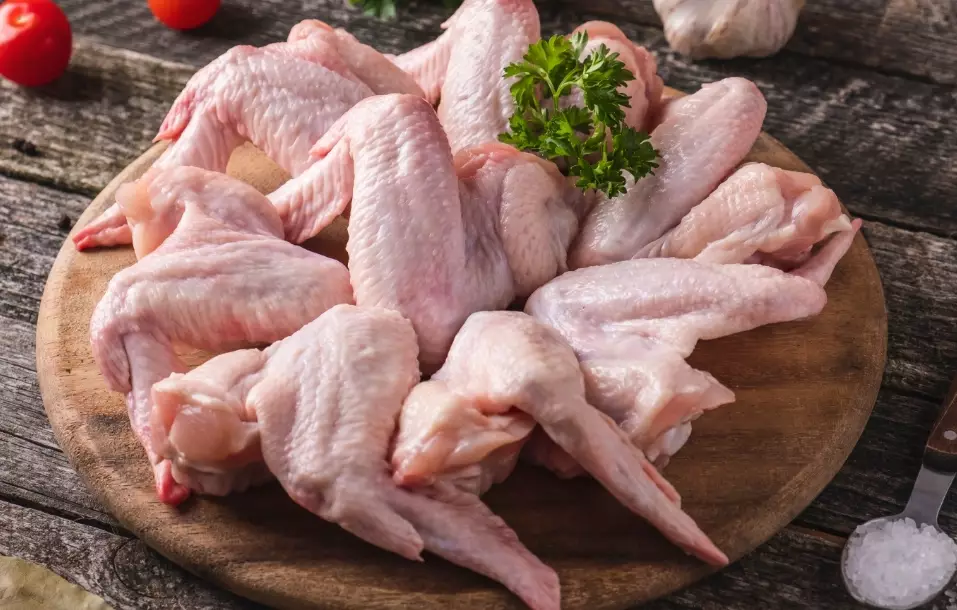
It all comes down to muscle function and a protein called myoglobin. Dark meat—found in the legs, thighs, and wings—comes from muscles chickens use constantly for standing and walking. These are slow-twitch muscles, built for endurance. They're rich in myoglobin, an oxygen-storing protein that gives the meat its darker, reddish-brown hue. Myoglobin also supports more fat and connective tissue, which translates directly to richer flavor and a more forgiving, juicy texture when cooked.
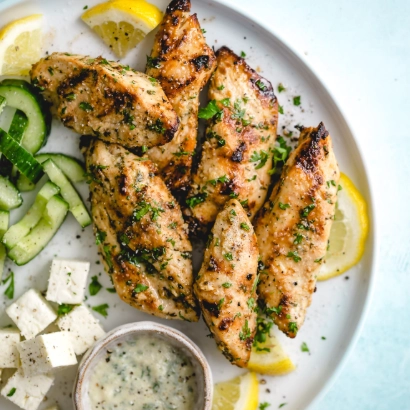
White meat—the breast and wing tips—comes from fast-twitch muscles used in short bursts (like flapping). These muscles have far less myoglobin, hence the pale color. They're leaner, with less fat and connective tissue. This makes them prone to drying out if you look at them wrong, but when cooked right, they offer a clean, mild flavor and firm texture.
One thing most guides miss: The color difference isn't just cosmetic. That myoglobin in dark meat is also why it tastes slightly more "mineraly" or "deep" compared to the breast's neutrality. It's not a flaw; it's character. Trying to make a thigh taste like a breast is a losing battle. Embrace the difference.
Nutritional Showdown: Is White Meat Healthier?
Here's where it gets interesting. The blanket statement "white meat is healthier" is oversimplified. It depends entirely on your goals. Let's break it down with real numbers per 100g of cooked, skinless meat, based on data from the USDA FoodData Central.
| Nutrient | Chicken Breast (White Meat) | Chicken Thigh (Dark Meat) |
|---|---|---|
| Calories | ~165 kcal | ~209 kcal |
| Protein | ~31g | ~26g |
| Total Fat | ~3.6g | ~10.9g |
| Saturated Fat | ~1.0g | ~3.0g |
| Iron | ~0.9mg (5% DV) | ~1.3mg (7% DV) |
| Zinc | ~1.0mg (9% DV) | ~2.4mg (22% DV) |
See the trade-off? Breast wins on lean protein and lower calories/fat. But thigh offers more iron and significantly more zinc, crucial minerals for immunity and metabolism. The extra fat in dark meat is mostly unsaturated and brings flavor and satiety.
My take: If you're on a strict cut for bodybuilding, breasts are your friend. For everyone else, especially active people and those cooking for family, thighs often provide better overall nutrition and satisfaction. The fear of dark meat fat is outdated unless you have specific medical advice to limit saturated fat. A mix of both is the smartest approach.
How to Cook White Meat Chicken Without Drying It Out
The enemy of white meat is high, dry heat for too long. Its low fat content means no safety net. Here’s how to win.
The Non-Negotiable Rule: Use a Thermometer
Guessing is how you get dry chicken. The USDA recommends cooking poultry to 165°F (74°C). The trick? Pull breast meat off the heat at 155-160°F (68-71°C). Carryover cooking will bring it to the safe zone while keeping it juicy. I use a simple digital probe thermometer every single time.
Best Methods for White Meat
Pan-Searing with a Finish: Get a skillet screaming hot. Pat the breast dry, season aggressively. Sear 2-3 mins per side until golden. Then, lower the heat, add a splash of broth or wine, cover, and let it gently finish cooking. The steam prevents dryness.
Brine or Dry-Brine: Soaking breasts in a 5% saltwater solution (1/4 cup kosher salt per quart of water) for 30-60 minutes, or even just salting them heavily an hour before cooking, changes everything. The salt helps the muscle fibers retain moisture. It's a game-changer.
Sous Vide: This is the ultimate cheat code for perfect white meat. Cook breasts at 145°F (63°C) for 1.5 hours. They come out impossibly juicy with a texture almost like firm tofu. Then, just give them a quick sear for color. No guesswork, no stress.
I learned this the hard way at a family BBQ. I grilled plain breasts for everyone "because they're healthier." They were bland and tough. My uncle's marinated thighs were gone in minutes. Lesson: Healthier doesn't mean you should sacrifice all flavor and texture.
What Are the Best Ways to Cook Dark Meat Chicken?
Dark meat is forgiving. Its fat and collagen love time and heat, which break down connective tissue into gelatin, creating that unctuous, fall-off-the-bone quality. You have more margin for error.
Embrace Higher Heat and Longer Cooks
Roasting or Baking: Thighs and drumsticks excel at 400-425°F (200-220°C). The high heat renders the fat and crisps the skin. Don't crowd the pan—space lets the skin get crispy, not soggy.
Braising and Stewing: This is where dark meat becomes magical. Brown the thighs, then let them simmer low and slow in a flavorful liquid (tomatoes, coconut milk, stock) for 45-90 minutes. The meat becomes incredibly tender and infuses the sauce with flavor. Chicken curry, coq au vin—these are dark meat dishes for a reason.
Grilling: Thighs are perfect for grilling. The fat drips, causing flares that add char and flavor. Because they're forgiving, you're less likely to end up with charcoal. Cook them to 175-185°F (79-85°C) for ultimate tenderness.
A common mistake is under-seasoning dark meat. That robust flavor can handle—and needs—bold spices, garlic, herbs, and acids like lemon or vinegar. Don't be shy.
Choosing the Right Cut: A Simple Decision Framework
Stuck deciding? Ask yourself these questions:
- What's the meal? Quick weeknight stir-fry or salad? Go for breast cut into strips. Weekend comfort food or curry? Thighs are your best bet.
- Who are you cooking for? Cooking for kids or people who prefer mild flavors? Start with breast. For a crowd that appreciates deeper flavor, use thighs.
- What's your skill/attention level? New to cooking or easily distracted? Use boneless, skinless thighs. They're nearly foolproof. Feeling precise and want a challenge? Master the perfect pan-seared breast.
- Budget? Thighs and drumsticks are almost always cheaper per pound than breasts. More flavor for less money is a win-win.
My personal default for most recipes is bone-in, skin-on thighs. You get maximum flavor from the bone and skin, and you can always remove the skin after cooking if you want. The price is right, and the results are consistently delicious.
Your Burning Questions Answered (FAQ)
The white meat vs. dark meat debate isn't about which is objectively better. It's about understanding two fantastic, versatile ingredients with different strengths. Stop forcing breasts to do a thigh's job and vice versa. Match the meat to your method, and you'll never have a disappointing chicken dinner again. Now, go grab some thighs for that stew you've been thinking about, or brine a breast for tomorrow's grill. You've got this.
Related Articles