White or Dark Chicken: The Ultimate Guide to Choosing and Cooking Perfectly
Let's settle the white or dark chicken debate once and for all. It's not just about color. It's a fundamental difference in muscle biology, flavor, and cooking science. Picking the wrong one for your recipe is the fastest way to a disappointing meal. I've ruined more chicken breasts than I care to admit by treating them like thighs before I understood this. This guide will give you the knowledge to choose and cook each part like a pro, every single time.
Your Quick Navigation Guide
The Science Behind White and Dark Meat
Why is chicken breast white and the leg dark? It all comes down to myoglobin, a protein that stores oxygen in muscles. According to the US Department of Agriculture, muscles used for sustained activity (like a chicken's legs and thighs) have more myoglobin, giving them a darker color and a richer, slightly gamier flavor. The breast and wing muscles are for short bursts (like flapping), so they have less myoglobin, resulting in a milder taste and lighter color.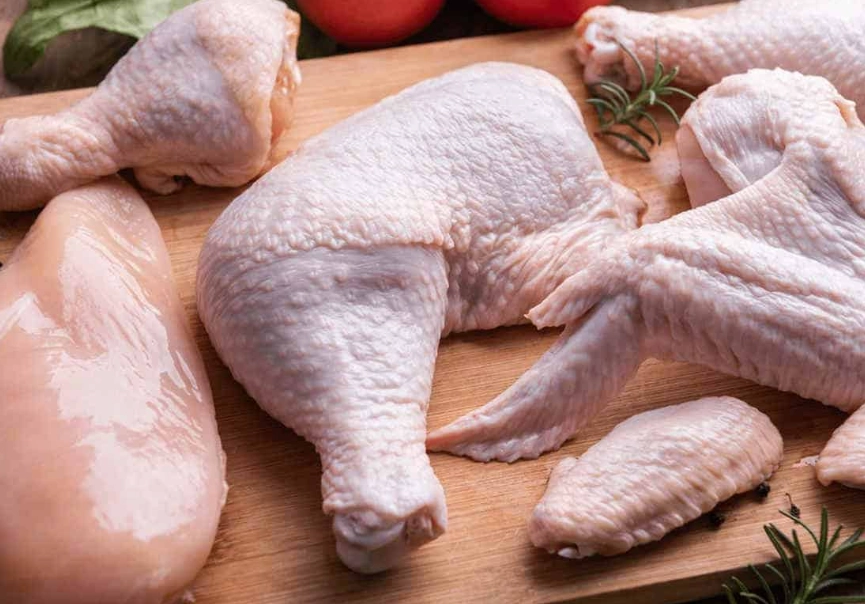
This biological difference dictates everything:
| Characteristic | White Meat (Breast, Wings) | Dark Meat (Thighs, Drumsticks) |
|---|---|---|
| Primary Muscles | Breast (Pectoralis), Wing | Thigh, Drumstick |
| Key Factor | Low myoglobin, short-burst activity | High myoglobin, sustained activity |
| Fat Content (per 100g cooked) | ~3-4g | ~9-10g |
| Texture (Raw) | Firm, smooth grain | Softer, slightly fibrous grain |
| Texture (Cooked) | Firm, can be dry if overdone | Tender, juicy, forgiving |
| Flavor Profile | Mild, clean, slightly sweet | Rich, savory, more "chicken-y" |
| Cooking Temperatures | 165°F (74°C) – precise | 175-195°F (79-90°C) – flexible |
A common mistake is thinking dark meat is "unhealthy" because of the fat. It's a different nutrient profile. The extra fat in dark meat includes more monounsaturated fats. For a balanced diet, variety is key. A report from the Harvard T.H. Chan School of Public Health emphasizes choosing lean poultry but doesn't demonize the slightly higher fat in dark meat, especially if you're not eating the skin.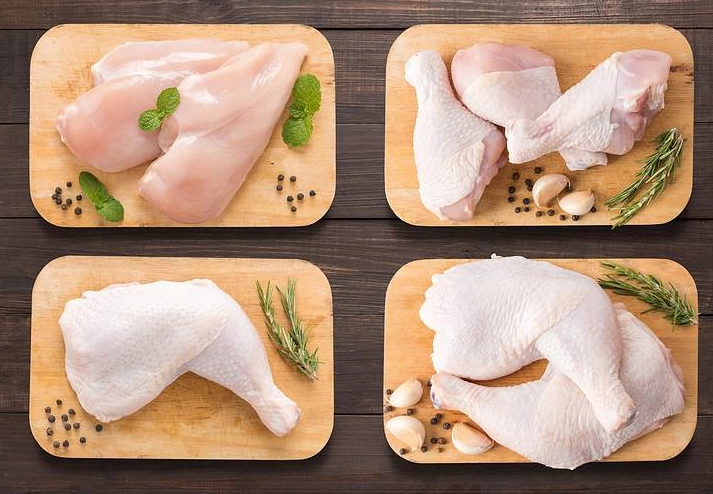
How to Choose the Right Cut for Your Needs
Stop guessing. Match the meat to the job. Here’s a decision framework I use when planning meals.
When to Choose White Meat (Chicken Breast)
Go for breast meat when your goal is a lean, high-protein canvas. It's perfect for dishes where you want the seasoning or sauce to be the star.
Top Scenarios:
Active Weight Loss or Muscle Building: You need maximum protein with minimal fat. A 6-oz breast gives you about 40g of protein.
Quick Sautées or Grills: Dishes like chicken piccata, lemon pepper chicken, or fajitas where you want fast, even cooking and distinct pieces.
Salads and Wraps: Diced or sliced cold chicken breast holds its shape and doesn't feel greasy in a salad. Think Cobb salad or a cold wrap.
Meal Prep: It reheats decently if not overcooked initially. Batch-grill seasoned breasts for a week of lunches.
My personal rule: I only buy chicken breast if I have a specific, quick-cooking recipe in mind. Buying it "just because" leads to dry, sad chicken in my fridge.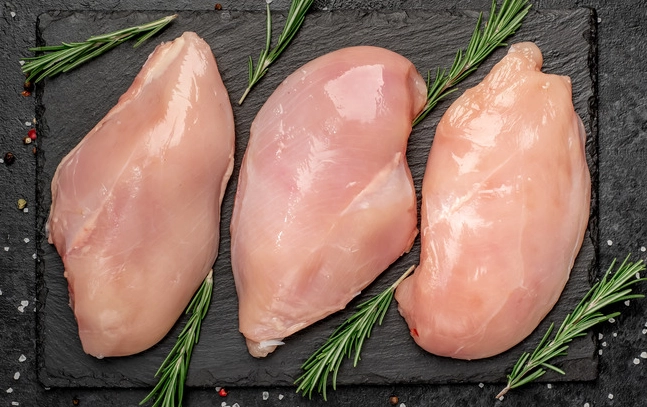
When to Choose Dark Meat (Chicken Thighs & Drumsticks)
Choose dark meat when flavor, juiciness, and forgiveness are your top priorities. It's the workhorse of home cooking.
Top Scenarios:
Family Dinners and Comfort Food: Dishes like coq au vin, chicken cacciatore, or a simple baked chicken. The rich flavor satisfies everyone.
Any Slow-Cooked or Braised Dish: The collagen melts into gelatin, creating its own luxurious sauce. Thighs in a slow cooker or Instant Pot are foolproof.
Grilling for a Crowd: Thighs won't dry out if you get distracted by guests. Drumsticks are fun, affordable, and perfect for BBQs.
Global Cuisines: The robust flavor stands up to bold spices. Think Indian curries (butter chicken), Thai curries, or Jamaican jerk chicken. It's no coincidence these cuisines often prefer dark meat.
Here’s a non-consensus tip: For a weeknight roast chicken, I often buy just thighs and drumsticks. They cook evenly together, stay juicy, and are more flavorful than a whole bird where the breast often overcooks before the legs are done.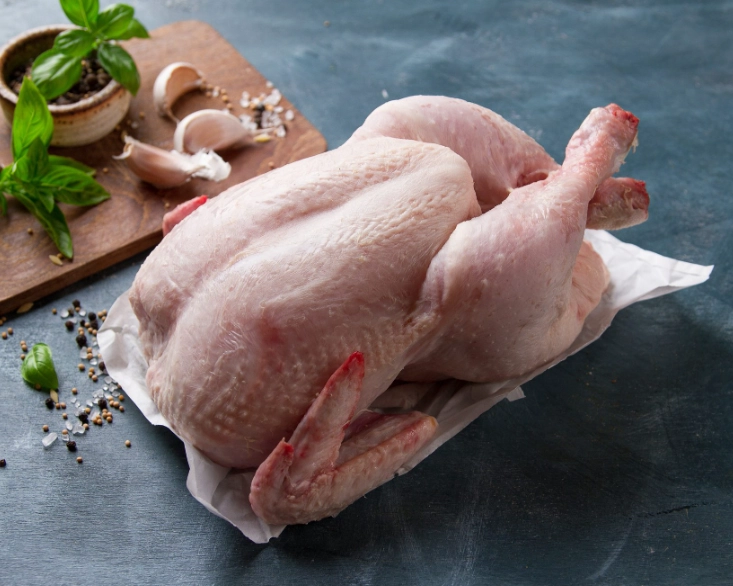
The Core Cooking Guide: White vs. Dark Meat
You cannot cook them the same way. This is the most common error home cooks make.
How to Cook White Meat Chicken Perfectly
The goal is to hit 165°F (74°C) at the thickest part without going over. Dry, stringy breast is a result of overcooking, which starts around 170°F.
Essential Techniques:
Brine or Dry-Brine: Soak breasts in a 6% saltwater solution (60g salt per liter of water) for 1-2 hours, or simply salt them heavily and leave them uncovered in the fridge for 4-8 hours. This seasons the meat deeply and helps it retain moisture.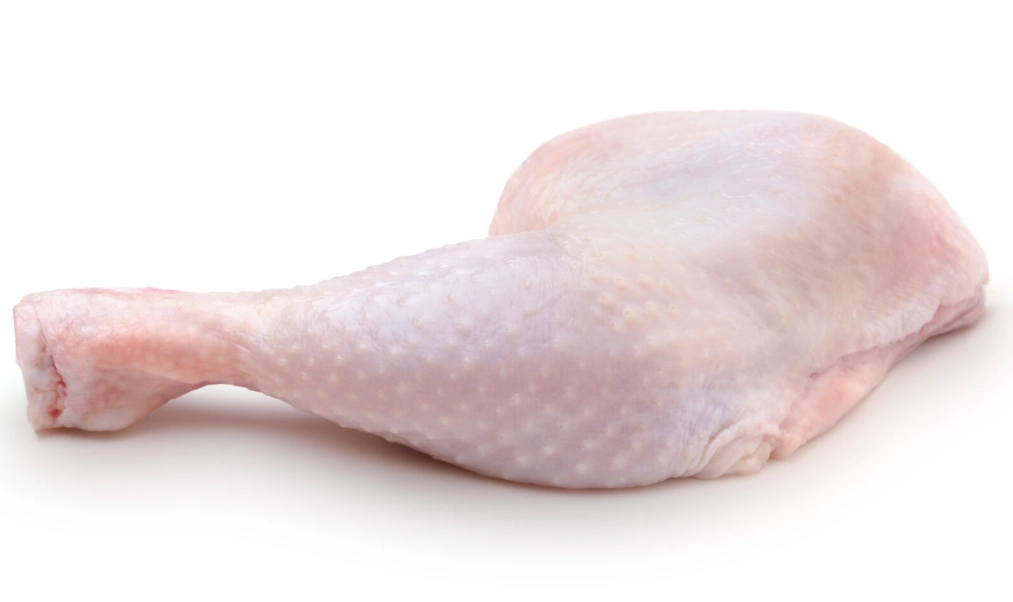
Pound to Even Thickness: Place breast between plastic wrap and pound the thicker end until it's uniform. This ensures even cooking.
Use a Thermometer, Not Time: This is non-negotiable. A digital instant-read thermometer is your best friend. Pull the breast off the heat at 160-162°F. It will carry over to 165°F as it rests.
Rest It: Let it rest for 5-10 minutes after cooking. The juices redistribute.
Method-Specific Tips:
Pan-Searing: High heat to get a crust, then often finishing in a 400°F oven if thick. Or, cook entirely in the pan over medium-high heat, flipping frequently for more even doneness (contrary to old advice).
Grilling: Medium-high direct heat. Oil the grates well. Grill for 5-7 minutes per side, depending on thickness. Don't press it!
Baking/Roasting: 425°F (220°C) for 15-20 minutes for a standard 6-8 oz breast. High heat cooks it quickly before it dries out.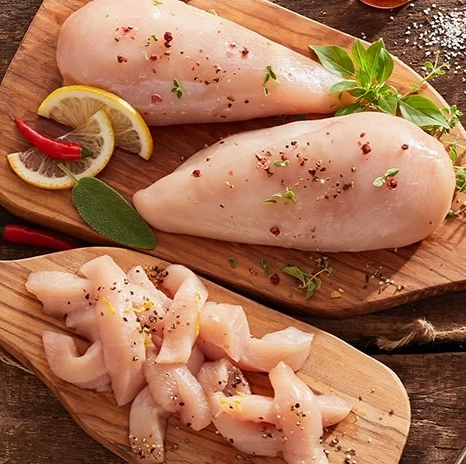
How to Cook Dark Meat Chicken Perfectly
The goal here is to render fat and break down connective tissue. You have a much wider temperature window—anywhere from 175°F to 195°F results in tender, fall-off-the-bone meat.
Essential Techniques:
Don't Be Afraid of Higher Heat: You can roast thighs at 425°F to get crispy skin and still have juicy meat inside because of the fat.
Low and Slow is Magic: Braising or slow-cooking thighs in liquid (stock, tomatoes, coconut milk) at 300°F or below for 1.5+ hours yields incredible tenderness.
Skin-On for Flavor and Crispiness: If you're not worried about the extra fat, cook thighs skin-on. Score the skin, season under it, and start skin-side down in a cold pan to render the fat slowly for ultimate crispiness.
Method-Specific Tips:
Pan-Searing/Braising: Sear skin-side down until golden, flip, add aromatics and liquid, cover, and simmer. This is a one-pan wonder.
Grilling: Use medium heat. The higher fat content means more flare-ups. Keep a spray bottle handy. Cook to an internal temp of at least 175°F.
Baking/Roasting: 375°F (190°C) for 35-45 minutes. This allows the fat to render and the interior to cook through without burning the skin.
Flavor Pairings and Recipe Ideas
Think of white meat as a delicate white fish and dark meat as a hearty beef stew meat. Their flavor profiles demand different companions.
White Meat Champions:
Bright & Herby: Lemon, lime, fresh dill, tarragon, parsley, chives. A simple pan sauce with lemon, white wine, and capers is classic for a reason.
Mild Spices: Paprika, garlic powder, onion powder, sumac. They add flavor without overwhelming.
Light Sauces: Creamy mustard sauce, yogurt-based marinades, light pan gravies. A recipe like Herb-Marinated Grilled Chicken Breast works because the herbs penetrate the mild meat.
Dark Meat Champions:
Bold & Earthy: Rosemary, thyme, oregano, smoked paprika, cumin, coriander, turmeric. These stand up to the meat's richness.
Sweet & Tangy Glazes: BBQ sauce, honey garlic, teriyaki, gochujang. The fat balances the sweetness.
Rich Sauces & Braises: Tomato-based sauces, coconut curries, mushroom cream sauces. Try a One-Pan Spanish Chicken with Chorizo and Peppers—the thighs soak up all the smoky, paprika-infused oils.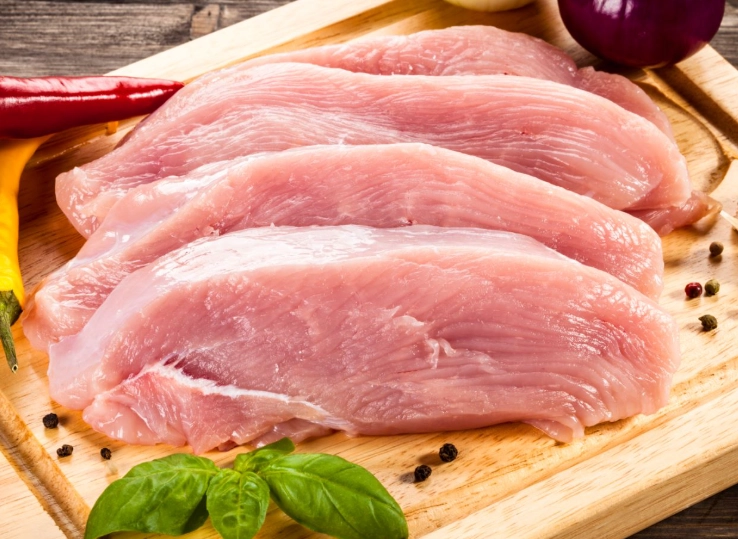
Your White or Dark Chicken Questions Answered
Related Articles