Perdue Chicken Breast: The Ultimate Guide to Cooking, Nutrition & Recipes
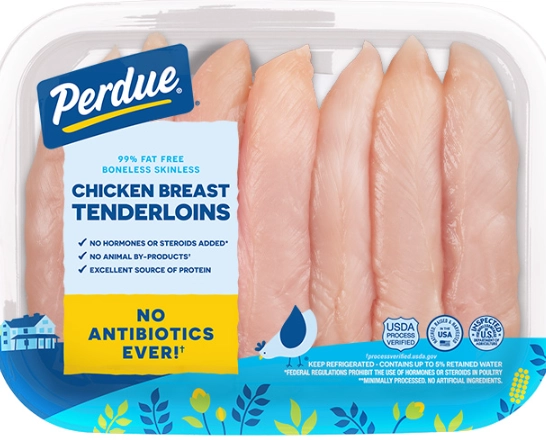
Let's be honest. A package of Perdue boneless skinless chicken breasts sitting in your fridge is either a blank canvas for a fantastic meal or a ticket to dry, flavorless disappointment. I've been on both sides of that equation. For years, I'd end up with tough, overcooked chicken that my family politely pushed around their plates. It wasn't until I started treating this specific cut with the respect it deserves that everything changed.
Perdue chicken breasts are a staple for a reason. They're lean, versatile, and a great source of protein. But their very leanness is what makes them tricky. There's no fat or skin to self-baste, so a tiny mistake in timing or temperature gets amplified. This guide isn't just a list of recipes. It's the culmination of years of trial, error, and finally, success. We'll dive into the science of cooking them perfectly, bust some common myths, and I'll share the exact methods that guarantee juicy results every time.
What's Inside This Guide?
Why Perdue Chicken Breasts Are a Smart Choice
You see them in every supermarket, but what makes this brand stand out? From my experience, consistency is key. Perdue farms have stringent standards, which means the chicken breasts are generally uniform in size and thickness. This is more important than you might think. Ever tried baking two breasts where one was twice as thick as the other? The thin one turns to leather while the thick one is still raw inside. Perdue's consistency removes that guesswork.
Nutritionally, a 4-ounce cooked serving of Perdue boneless skinless chicken breast provides about 35 grams of protein and only around 4 grams of fat, according to standard USDA data. It's a cornerstone for high-protein, low-carb, or just generally healthy eating. But here's the non-consensus part everyone misses: the "no antibiotics ever" and "no added hormones" labels (which, by the way, the USDA prohibits hormones in all poultry) are great, but they don't directly impact the cooking process or flavor on your plate. Don't pay a premium just for those buzzwords if you're on a budget. Focus on the physical quality: look for plump, pinkish flesh with no gray spots or excessive liquid in the package.
The Golden Rule for Perfect Chicken Breasts
If you remember one thing from this guide, let it be this: Cook to temperature, not to time. Every stove, oven, and piece of chicken is different. Relying solely on a recipe's "cook for 20 minutes" is the single biggest reason for failure.
Invest in a good digital instant-read thermometer. I use a ThermoPop, but any reliable brand works. The target temperature for safe, juicy chicken breast is 165°F (74°C) at the thickest part. But here's the pro tip: pull the chicken off the heat at 160°F (71°C). The residual heat will carry it over to 165°F while it rests. This prevents overcooking.
The Resting Step You Can't Skip: After cooking, let the chicken rest on a cutting board, loosely tented with foil, for at least 5-7 minutes. This allows the juices, which have been driven to the center by the heat, to redistribute throughout the meat. If you cut it open immediately, all those juices flood onto the plate, leaving you with dry chicken. Patience here is non-negotiable.
Comparing the Top 4 Cooking Methods
Each method has its superpower. Your choice depends on the texture you want and the time you have.
| Method | Best For | Key to Success | My Personal Take |
|---|---|---|---|
| Pan-Searing | A golden, flavorful crust and juicy interior. Weeknight dinners. | Get the pan screaming hot before adding oil and chicken. Don't move it for the first 2-3 minutes to develop a crust. | My go-to method. The Maillard reaction (that browning) adds incredible depth of flavor you can't get from boiling or baking alone. |
| Baking/Roasting | Hands-off cooking, meal prep, and cooking large batches. | Pound breasts to even thickness. Brine or marinate beforehand. Use a rack on the baking sheet for air circulation. | Reliable, but can easily lead to dryness if you're not careful. Brining is the secret weapon here (see FAQ). |
| Grilling | Smoky flavor and attractive grill marks. Summer cooking. | Clean and oil the grates well. Use medium-high indirect heat after a quick sear to prevent burning. | Fantastic flavor, but the high heat can quickly overcook the exterior. I often finish thicker breasts in a cooler zone of the grill. |
| Poaching | The ultimate juiciness for chicken destined for salads, shredding, or soups. | Use a flavorful liquid (broth, herbs). Keep it at a bare simmer, not a rolling boil. Temperature control is everything. | Underrated. It feels like "diet" cooking, but done right, it yields the most tender, moist chicken of all. Perfect for my weekly chicken salad. |
Notice I didn't include microwaving. Just don't. It turns the texture rubbery and uneven. It's not worth the saved five minutes.
3 No-Fail Recipe Ideas to Start With
Forget complicated sauces for now. Master these foundational techniques first.
1. The Weeknight Pan-Seared Chicken
Take two Perdue breasts. Pat them bone-dry with paper towels. This is crucial for browning. Season generously with salt and pepper. Heat a tablespoon of avocado or olive oil in a stainless steel or cast-iron skillet over medium-high heat until it shimmers. Add the chicken. Listen to that sizzle. Don't touch it for 4-5 minutes until it releases easily and has a deep golden crust. Flip, reduce heat to medium, and cook until the thermometer reads 160°F. Add a pat of butter and a smashed garlic clove to the pan in the last minute, basting the chicken with the melted butter. Rest and serve. Simple, perfect.
2. "No-Dry" Sheet Pan Fajita Chicken
This solves the baked chicken problem. Slice breasts into 1-inch strips. Toss with 2 tbsp olive oil, 1 tbsp chili powder, 1 tsp cumin, 1 tsp garlic powder, 1 tsp paprika, and 1/2 tsp salt. Spread on a parchment-lined sheet pan alongside sliced bell peppers and onions. Bake at 425°F (220°C) for 12-15 minutes, just until chicken hits 160°F. The high heat and shorter time, plus the marinade coating, lock in moisture. Serve in tortillas with salsa and avocado.
3. The Ultimate Poached Chicken for Salads
In a pot just wide enough to hold them, place 2 breasts. Cover with low-sodium chicken broth by an inch. Add a slice of onion, a carrot, a celery stalk, and a bay leaf. Bring to a bare simmer (tiny bubbles at the edges). Immediately reduce heat to low, cover, and cook for 10 minutes. Turn off the heat and let it sit, covered, for another 15 minutes. The residual heat cooks it through without ever getting tough. Remove, let cool, and shred. This chicken stays moist for days.
How to Store and Prep for the Week
Planning is power with chicken breasts.
Raw Storage: Keep in its original packaging in the coldest part of your fridge for 1-2 days max. For longer, freeze it. I often vacuum-seal individual breasts for easy use.
Meal Prep Magic: Cook a big batch using the sheet pan or poaching method on Sunday. Store the cooked, cooled chicken in an airtight container for up to 4 days. Now you have ready-to-eat protein for salads, wraps, stir-fries, or quick pasta dishes all week. This one habit saves me from ordering takeout on busy nights.
Your Top Chicken Questions Answered
Related Articles