Parts of Chicken: A Complete Guide to Cuts, Cooking & Buying
Let's be honest. Most of us just grab a pack of chicken breasts or thighs and call it a day. I did that for years, until I tried making a proper chicken stock and realized I had no clue what a "back" was for. Knowing your parts of chicken isn't just butcher shop trivia—it's the key to saving money, nailing recipes, and avoiding dinner disasters. A tough, dry chicken breast? Probably the wrong cut for the method. A soup that lacks depth? You might have skipped the essential parts.
This guide walks you through every part, not just the obvious ones. We'll cover what each cut is, its best uses (and worst), how to cook it, and even what to look for when buying. Think of it as your cheat sheet for the meat aisle.
What's in This Guide?
Understanding Chicken Cuts: From Breast to Gizzard
A chicken is broken down into primary parts (the big pieces you grill or roast) and secondary parts (the ones that make magic in stocks, stews, and specialty dishes). Most supermarkets sell the primaries; for the rest, you might need a butcher or an Asian market.
The Primary Cuts: Your Weeknight Dinner Heroes
These are the stars of the show, the ones you'll use most often.
| Cut | Description & Characteristics | Best For... | Price Point (Relative) |
|---|---|---|---|
| Breast | Lean, mild-flavored, low in fat. Can dry out easily if overcooked. Sold bone-in, boneless, skin-on, or skinless. | Quick cooking: grilling, pan-searing, baking, slicing for stir-fries or salads. | Highest |
| Thigh | Dark meat, higher fat content, more connective tissue. Incredibly flavorful and forgiving. Stays juicy. Sold bone-in or boneless. | Slower, forgiving methods: braising, roasting, grilling, curries, stews. My personal favorite for flavor reliability. | Medium |
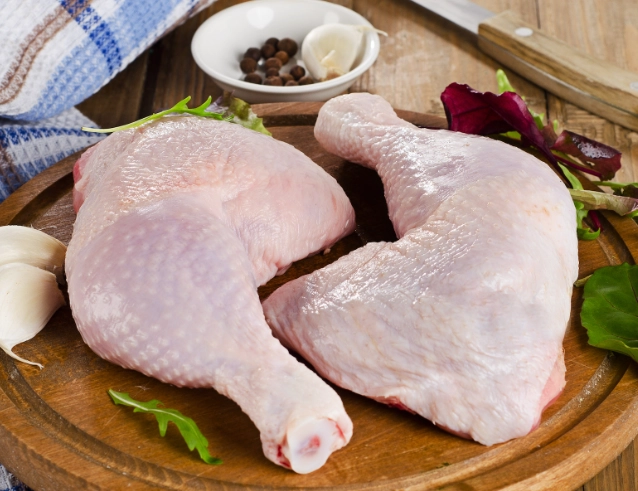
| Drumstick | The lower leg. Dark meat, rich flavor, has a handle (the bone). Contains tendons that need slow cooking to soften. | Baking, braising, frying (think fried chicken), or slow-cooking in sauces. Kid-friendly. | Low |
| Wing | Three parts: drumette, flat/wingette, and tip (often removed). High skin-to-meat ratio, perfect for crisping. | Frying, baking, grilling, buffalo wings. Appetizers and party food. | Medium (can be high for party wings) |
Notice the price trend? Lean, white meat (breast) commands a premium. Flavorful, dark meat (thighs, drums) is often a better value. If you're on a budget, thighs are your best friend.
The Secondary & Specialty Cuts: The Flavor Builders
This is where real cooking depth comes from. Don't sleep on these.
Back: The spine and ribs of the bird. Almost no meat, but packed with collagen, bone marrow, and flavor. It's the secret weapon for stock and broth. Never buy it alone; ask your butcher for some when you buy a whole chicken, or save them from when you spatchcock a bird.
Neck: Similar to the back—all flavor, no meat. Simmer for hours to extract a rich, gelatinous base for soups and gravies.
Giblets: The organ packet often found inside a whole chicken. Includes the heart (muscle, cooks like tiny meat), liver (rich, iron-y, perfect for pâté or chopped finely in sauces), gizzard (a tough muscle that needs long braising but becomes wonderfully tender), and sometimes the neck. Don't throw them out! Sauté them with onions for gravy, or braise them separately.
Feet: Yes, chicken feet. They might look unusual, but they are pure gold for stock. Loaded with collagen, they create a silky, lip-sticking broth that's impossible to achieve with bones alone. Common in Asian cuisines and professional kitchens.
How to Cook Each Chicken Part Perfectly
Matching the cut to the cooking method is 90% of the battle. Here’s a no-nonsense breakdown.
Fast & Hot Methods (Grill, Sauté, Bake under 30 mins)
Breast is king here, but you must be careful. Target an internal temperature of 155-160°F (68-71°C) and let it rest. It will carry over to 165°F (74°C). Brining or marinating in yogurt/buttermilk helps prevent dryness. For thighs, boneless skin-on is fantastic for quick pan-searing—crisp the skin, then finish in the oven.
Wings need high, direct heat to render the fat and crisp the skin. Baking powder in your dry rub can make the skin extra crispy without frying, a trick more home cooks should use.
Slow & Low Methods (Braise, Stew, Slow-Cook)
This is dark meat territory. Thighs and drumsticks shine. Their fat and connective tissue break down over time, basting the meat from within and creating luxurious sauces. A common error? Using breast in a slow-cooker—it turns to dry, stringy mush.
Gizzards and backs belong here too. Simmer gizzards for at least 1.5-2 hours until tender. Backs and necks go into the stockpot with cold water, brought to a bare simmer, and left for 4-12 hours.
The All-Rounder: Roasting
You can roast any primary part. The key is temperature. For a whole chicken or bone-in parts, start high (425°F/220°C) to brown, then lower to 350°F (175°C) to cook through. For just breasts, a constant 375°F (190°C) works. Always use a meat thermometer. Guessing leads to overcooking.
How to Select and Store Chicken Parts
Walking up to the meat case can be overwhelming. Here’s what I look for.
Color: Look for pink, moist flesh. Avoid grayish tones or dried-out edges. The skin (if present) should be creamy white to yellow, not splotchy.
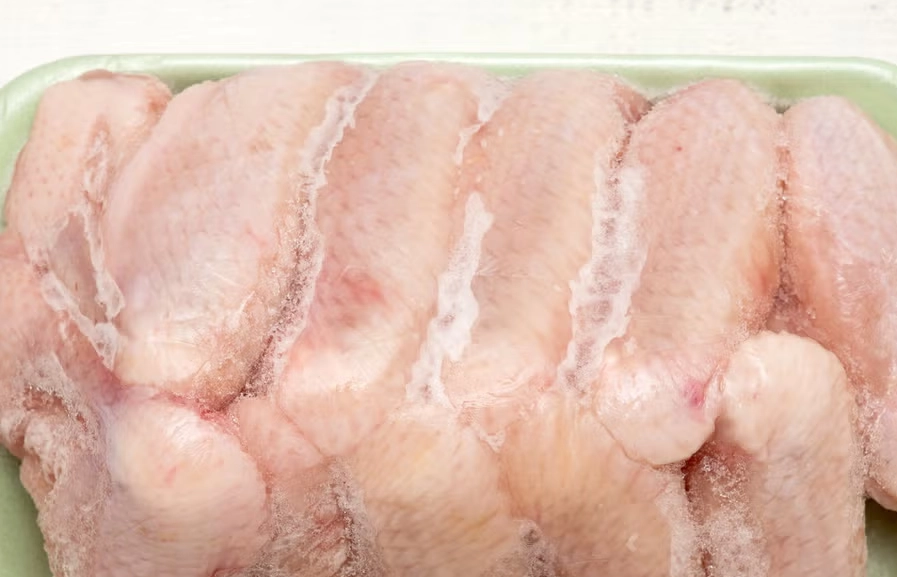
Packaging: The tray should be clean, with minimal blood (purge) in the bottom. Lots of liquid can indicate the chicken was frozen and thawed, or is old.
Smell: This is crucial. Fresh chicken has almost no smell. If you get a whiff of anything sour, ammonia-like, or just "off," put it back. Trust your nose more than the "use-by" date.
Labels: "Air-Chilled" is a premium label worth looking for. These chickens are cooled with air instead of being dunked in chlorinated water. They often have better texture and flavor, and less water weight (so you're not paying for water).
Storage: Keep chicken in its original packaging on a plate on the bottom shelf of your fridge. Use it within 1-2 days of purchase. For longer storage, freeze it. Wrap individual pieces tightly in plastic wrap and then foil, or use a vacuum sealer. Label with the date; use within 3-6 months for best quality.
Your Chicken Parts Questions, Answered
Related Articles