What Chicken is Dark Meat? The Ultimate Guide to Cuts, Cooking & Nutrition
Let's cut straight to the chase. You're probably here because a recipe called for "dark meat," you stared at the supermarket cooler, and felt a flicker of confusion. Thighs? Drumsticks? What about those whole legs? Is it just the color? I've been there. For years, I defaulted to bland chicken breasts, thinking they were the "healthy" choice, until a single perfectly cooked chicken thigh changed my mind. The depth of flavor, the juicy tenderness—it was a revelation. So, what chicken is dark meat? It's not a mystery. It's a specific set of cuts defined by biology, and understanding this is your key to unlocking way better meals.
What You'll Discover
- The Simple Science Behind the Dark Color
- Defining the Cuts: What Exactly is Dark Meat?
- Dark Meat vs. White Meat: The Real Nutrition Battle
- How to Cook Dark Meat Chicken (The Right Way)
- A Real-World Dark Meat Ordering Guide
- Debunking 3 Common Dark Meat Myths
- Your Dark Meat Questions, Answered by a Cook
The Simple Science Behind the Dark Color (It's Not Blood)
First, forget the idea that dark meat is bloody or less clean. The color difference comes down to one protein: myoglobin. Think of myoglobin as oxygen storage for muscles. Muscles that work harder need more oxygen, so they develop more myoglobin, which is dark red.
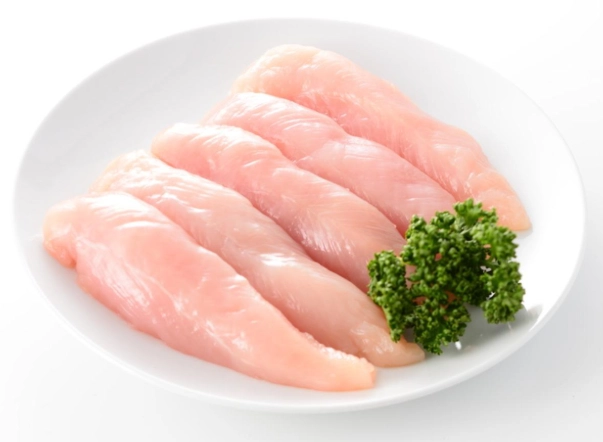
Chickens don't fly long distances, but they stand and walk all day. The leg and thigh muscles (the drumsticks and thighs) are their primary locomotion. Constant use = more myoglobin = darker, redder meat. The breast and wings, used intermittently for brief flapping, have less myoglobin, resulting in lighter-colored white meat. It's that simple. According to the USDA, this biochemical difference is the sole determinant.
Here's a nuance most articles miss: the exact shade can vary. A free-range chicken that actually scratches and roams will have slightly darker, more developed leg meat than a conventionally raised one. The flavor difference is noticeable.
Defining the Cuts: What Exactly is Dark Meat?
Now, let's map the science to your butcher counter or grocery store package. Dark meat chicken refers specifically to the cuts from the bird's lower body—the legs.
The Primary Dark Meat Cuts
Chicken Thighs: The top part of the leg. This is the king of dark meat for many cooks. It's a single, beautifully marbled piece of meat with a bone in the center (bone-in) or removed (boneless, skinless thighs are a weeknight savior). The fat content and connective tissue are why it stays so moist.
Chicken Drumsticks: The lower part of the leg. Easily recognizable, fun to eat, and often more affordable. They have a higher bone-to-meat ratio but are packed with flavor. Perfect for grilling or baking in big batches.
The Whole Chicken Leg (or "Leg Quarter"): This is the thigh and drumstick still attached together. It's a fantastic, economical cut for roasting or braising. You get the best of both worlds in one piece.
What About Other Parts?
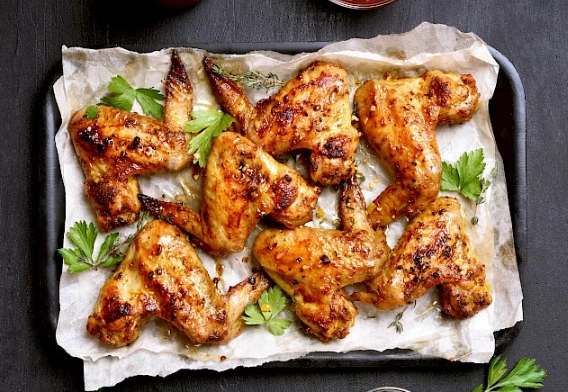
Wings: Technically, wings are white meat. The drumette part (the one that looks like a mini drumstick) can sometimes have a slightly darker hue, but by USDA and culinary standards, the entire wing is classified as white meat due to lower myoglobin.
Oysters: Those two small, incredibly tender pieces of meat on the back of the chicken, near the thigh. They are dark meat! They're a hidden gem that every chicken carver fights for.
Dark Meat vs. White Meat: The Real Nutrition Battle
This is where decades of diet culture have done dark meat a massive disservice. Yes, chicken breast is leaner. But "leaner" doesn't automatically mean "better for you." It's about context and what your body needs.
Let's look at a 3.5-ounce (100g) cooked serving, based on data from the USDA FoodData Central:
| Nutrient | Skinless Chicken Breast | Skinless Chicken Thigh | Why It Matters |
|---|---|---|---|
| Calories | ~165 kcal | ~209 kcal | A difference of about 44 calories. That's roughly half a banana. |
| Protein | ~31g | ~26g | Both are excellent, high-quality protein sources. Breast wins slightly on pure protein density. |
| Total Fat | ~3.6g | ~10.9g | Here's the big difference. But most of this extra fat in dark meat is unsaturated (the "good" kind). |
| Saturated Fat | ~1.0g | ~3.0g | Moderately higher. For context, 3g is about 15% of the daily limit for a 2,000-calorie diet. |
| Iron | ~0.9mg (5% DV) | ~1.3mg (7% DV) | Dark meat provides more heme iron, the type your body absorbs most easily. |
| Zinc | ~1.0mg (9% DV) | ~2.4mg (22% DV) | Dark meat has significantly more zinc, crucial for immune function and metabolism. |
| B Vitamins (B12, B6) | Good source | Excellent source | Dark meat is notably richer in several B vitamins, essential for energy. |
The takeaway? If you're on an extremely strict fat-controlled diet, breast may be your go-to. But for most people, the slightly higher fat content in dark meat is not a health villain—it's what carries flavor and promotes satiety. The extra micronutrients (iron, zinc, B vitamins) are a legitimate health benefit. A Harvard T.H. Chan School of Public Health article on healthy eating plates emphasizes the importance of quality protein sources without mandating only the leanest cuts.
My personal rule? I eat both. Breast for a light salad, thighs for a satisfying, one-pan dinner. Balance, not dogma.
How to Cook Dark Meat Chicken (The Right Way)
Dark meat's forgiving nature is its superpower. It's hard to dry out. But to transform it from good to spectacular, you need to respect its structure.
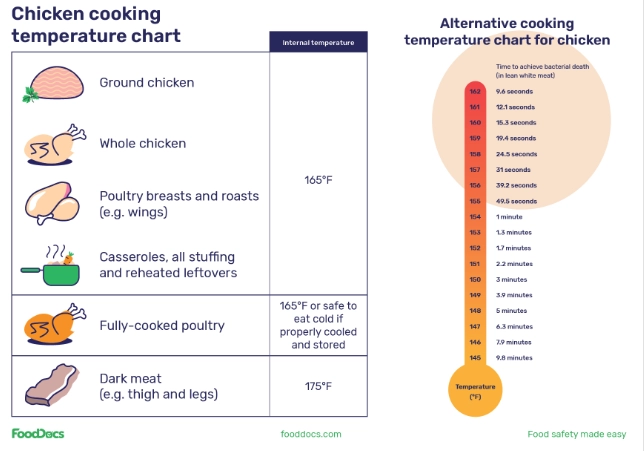
Embrace Higher Heat and Longer Time: Unlike delicate breast meat, dark meat benefits from cooking to a higher internal temperature. Aim for 175°F to 185°F (79°C to 85°C). This higher temp renders the fat more completely and breaks down tough connective tissues (collagen) into rich, unctuous gelatin. That's where the "fall-off-the-bone" tenderness comes from.
Fat is Your Friend: Don't shy away from the skin. Cooking with the skin on creates a natural barrier, basting the meat from the outside in. You can always remove it after cooking if you prefer. The intramuscular fat also means you can use less added oil.
Braising is a Secret Weapon: Submerging dark meat in a flavorful liquid (stock, tomatoes, coconut milk) and cooking it low and slow is a guaranteed path to greatness. Try chicken thighs in a Dutch oven with onions, garlic, and a splash of vinegar.
Don't Over-Marinate Acidic Ingredients: A common mistake. The slightly higher fat content can handle acid (lemon juice, vinegar, yogurt), but leaving it for more than a few hours can start to degrade the texture, making it mushy. 30 minutes to 2 hours is usually plenty.
A Real-World Dark Meat Ordering Guide
Let's get practical. Here’s how to apply this knowledge when you're not in your own kitchen.
At a Fried Chicken Joint (e.g., KFC, Popeyes): The "dark meat" options are drumsticks and thighs. The "Original Recipe" thigh is often considered the most flavorful piece by enthusiasts. It has the ideal meat-to-coating ratio. If you get a mixed bucket, the dark meat pieces will hold their moisture better if the food sits for a while.
At a Rotisserie Chicken Restaurant (e.g., Nando's, Peruvian chicken spots): Ask for a "quarter leg" or specify "thigh and drumstick." The dark meat absorbs the marinades and spices from the rotisserie drippings incredibly well. At Nando's, a grilled thigh is infinitely more succulent than a breast.
At a Fine Dining Restaurant: You'll often see "confit chicken thigh" or "braised leg" on menus. Chefs love dark meat because it's reliably moist and carries complex sauces beautifully. It's a sign they're prioritizing flavor over the perceived "prestige" of the breast.
Debunking 3 Common Dark Meat Myths
Myth 1: Dark meat is unhealthy. We tackled this. It's nutrient-dense. The fat difference is marginal in the context of a balanced diet.
Myth 2: Dark meat takes much longer to cook. It does need a bit more time, but not dramatically so. A boneless, skinless thigh cooks in a pan in maybe 2-3 minutes longer per side than a breast of similar thickness. The key is using a thermometer.
Myth 3: The dark color means it's undercooked. This is crucial. Even when fully cooked to a safe 175°F+, dark meat will retain a pinkish or reddish hue near the bone. This is NOT blood. It's myoglobin and other proteins that have reacted with heat. It's perfectly safe to eat. Poking the meat and seeing clear juices (not red) is a better doneness cue for dark meat.
Your Dark Meat Questions, Answered by a Cook
So, what chicken is dark meat? It's the thigh, the drumstick, the whole leg. It's the flavorful, juicy, nutrient-rich part of the bird that has been unfairly sidelined. It forgives cooking mistakes, carries spices like a dream, and turns a simple weeknight dinner into something you actually look forward to. Next time you're at the store, walk past the bland breasts and grab a pack of thighs. Your taste buds—and your dinner—will thank you.
Related Articles