Chicken Quarter Leg Calories: The Complete Nutrition & Cooking Guide
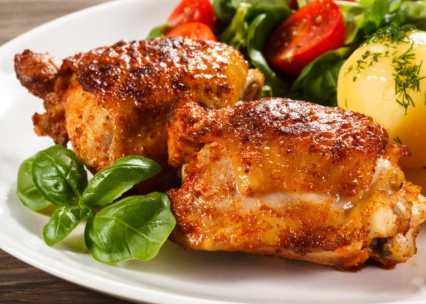
Let's be honest, we've all been there. You're trying to eat better, you grab a pack of chicken quarter legs because they're affordable and look hearty, and then the question hits: how many calories am I actually about to eat? The answer isn't just a single number. It's a story told by the skin, the cooking method, and the sauce you drown it in. A plain, roasted chicken quarter leg with skin contains roughly 250-300 calories. But if you deep-fry it? You can easily double that. This guide isn't about scaring you away from a delicious, protein-packed meal. It's about giving you the exact knowledge to make it work for your goals, whether you're counting calories, building muscle, or just wanting a healthier dinner.
In This Article You'll Discover:
What's Really in a Chicken Quarter Leg? A Calorie and Nutrition Deep Dive
First, let's define our subject. A "quarter leg" is the drumstick and thigh connected, with a portion of the back. It's a two-in-one cut. The calorie count primarily swings on one thing: the skin. The skin holds most of the fat.
According to the USDA's FoodData Central, the gold standard for nutritional information, here’s the typical range for a single, average-sized chicken quarter leg (about 200-220g raw weight with bone):
| Preparation | Approximate Calories | Protein (grams) | Fat (grams) | Key Takeaway |
|---|---|---|---|---|
| Raw, with skin & bone | ~280 - 320 | ~28 - 32g | ~18 - 22g | The starting point. Fat is high due to skin. |
| Roasted/Baked, with skin | ~280 - 330 | ~30 - 35g | ~18 - 20g | Moisture cooks out, concentrating nutrients; calories stay similar to raw. |
| Roasted/Baked, skinless | ~180 - 220 | ~30 - 34g | ~6 - 9g | The "sweet spot" for high protein and manageable calories. |
| Fried (battered), with skin | ~400 - 500+ | ~25 - 30g | ~25 - 35g | Batter absorbs oil, sending calories and fat soaring. |
See the power move there? Removing the skin before cooking slashes about 100+ calories and 10-15 grams of fat, while keeping all that precious protein. That protein is what makes chicken quarter legs a fantastic food for satiety and muscle repair. You're getting nearly a full day's protein requirement for many people in one cut.
A common mistake I see is people comparing a skinless chicken breast to a chicken quarter leg with skin and declaring the breast the "healthy" winner. It's an unfair fight. Compare skinless to skinless, and the quarter leg is only marginally higher in calories and fat, but often juicier and more flavorful, making it easier to stick to your diet long-term.
Cooking Method Impact: From Grill to Air Fryer
Your pan, oven, or fryer is a calorie alchemist. It doesn't just apply heat; it changes the nutritional equation.
Ranked from Leanest to Most Calorie-Dense:
Poaching or Boiling (Skinless): The undisputed champion for minimal added calories. You're cooking in water. The downside? Flavor can leach out, leaving you with bland meat unless you use a heavily seasoned broth. Great for shredding for soups or salads.
Baking/Roasting (Skinless): My personal go-to for balance. It's hands-off, and if you use a rack, fat drips away. High heat (400°F/200°C+) gives you a nice exterior without needing much oil. A light spray is enough.
Grilling or Broiling: Similar to baking, but with those desirable char marks. Fat drips through the grates. You have to watch closely to prevent burning, which can create potentially harmful compounds if it's charred black.
Air Frying (Skinless): A modern marvel for a reason. It circulates hot air to create a crispy exterior with just a teaspoon or two of oil. It mimics deep-frying's texture for a fraction of the calories. For a skin-on quarter, the air fryer renders the fat under the skin exceptionally well, making it crispier than an oven sometimes.
Pan-Frying/Sautéing (with oil): Here's where control is key. A tablespoon of olive oil adds about 120 calories to the entire dish. If you're cooking two quarters in a pan, that's an extra 60 calories each. Not terrible if you use a healthy oil and measure it.
Deep Frying or Southern-Style Fried Chicken: The calorie bomb. The batter soaks up oil like a sponge. We're talking a 200+ calorie addition, easy. It turns a reasonable meal into a high-fat, high-calorie indulgence. Fine for a treat, but not a weekly staple if you're watching calories.
How to Reduce Chicken Quarter Leg Calories Like a Pro
You don't have to eat dry, boring chicken. These are the tricks I've used for years to keep things tasty and light.
Pro Tip Most People Miss: Remove the skin after cooking, not before. If you roast or air fry the quarter with the skin on, it acts like a protective jacket, basting the meat in its own fat and keeping it incredibly juicy. Once it's cooked and crispy, you can simply peel it off and discard it. You get juicy meat and avoid the dry-out that often happens with skinless roasting. You save the same calories but end up with a better texture.
Marinate for Flavor, Not Fat: Skip the oily marinades. Use acidic bases like lemon juice, vinegar, or plain yogurt with herbs and spices. They tenderize and inject flavor with zero added fat.
Master the Dry Rub: A blend of paprika, garlic powder, onion powder, cumin, and a little brown sugar or chili powder creates a "bark" that feels indulgent. No oil needed, just pat the chicken dry and massage the rub in.
Be Sauce-Savvy: This is the #1 sabotage point. A quarter-cup of store-bought BBQ sauce can add 70-100 calories of pure sugar. Instead, try serving with a side of salsa (low-cal), a dollop of Greek yogurt mixed with herbs, or a squeeze of fresh lemon.
A Simple, Low-Calorie Lemon Herb Roasted Chicken Quarter Leg Recipe
Let's put this into practice. This is my weekday workhorse recipe. It's simple, reliable, and makes you look forward to healthy eating.
Ingredients (for 2 servings):
- 2 chicken quarter legs (about 1.5 lbs total)
- 1 large lemon, juiced and zested
- 3 cloves garlic, minced
- 1 tbsp fresh rosemary, chopped (or 1 tsp dried)
- 1 tsp dried thyme
- 1 tsp olive oil (optional, for very light coating)
- Salt and black pepper to taste
Steps:
1. Preheat your oven to 425°F (220°C). Pat the chicken quarters completely dry with paper towels. This is crucial for browning, not steaming.
2. In a small bowl, mix the lemon juice, lemon zest, garlic, rosemary, thyme, and a big pinch of salt and pepper. If you feel it needs it, add the single teaspoon of olive oil.
3. Place the chicken quarters in a baking dish. Using your hands, rub the herb-lemon mixture all over them, getting under the skin if you can (this flavors the meat directly).
4. Roast for 40-50 minutes, until the skin is golden brown and crispy and the internal temperature reaches 165°F (74°C) at the thickest part of the thigh.
5. Here's the choice point: For lower calories, let it rest for 5 minutes, then remove and discard the crispy skin before eating. You'll be left with succulent, flavorful meat. Serve with a big side of roasted vegetables (tossed in the same pan juices, why not?).
Estimated Calories per Serving (skin removed after roasting): ~210 calories, 32g protein, 8g fat.
Your Chicken Quarter Leg Calorie Questions, Answered
Absolutely, but with a key condition: go skinless. A skinless roasted quarter leg provides a massive amount of satiating protein for around 200 calories, which is an excellent ratio. It helps control hunger far better than a carb-heavy 200-calorie snack. Just be mindful of your cooking oil and sauces.
This is a minefield. Restaurant "grilled" chicken often means brushed with oil or butter during and after cooking. A skinless grilled quarter could range from 220 to 350 calories depending on how much fat they use. Always assume it's on the higher end. Your safest bet is to ask for it grilled plain, with sauce on the side.
For achieving crispiness with minimal oil, the air fryer wins. You can get a similar result to deep-frying using just a 5-second oil spray. An oven can match it for low calories if you use a rack, but it often requires a slightly higher temperature or longer time to get the same level of browning without added fat. The air fryer is more energy-efficient for one or two portions.
If you struggle to hit your daily calorie surplus and need dense energy, keeping the skin on is an easy way to add healthy fats and calories. The protein content remains stellar. For a lean bulk, I'd still recommend removing the skin and getting your extra calories from complex carbs like sweet potatoes or brown rice, which fuel your workouts better.
They forget the cooking medium. People will meticulously weigh a raw chicken leg, log 300 calories, then cook it in a pool of oil or slather it in a sugary glaze, easily adding 150-300 unlogged calories. The chicken itself is not the problem 90% of the time. It's what you do to it. Track the oil, track the sauce.
Related Articles