Full Chicken Oven: Your Guide to Perfect Roast Chicken Every Time
Let's be honest. A whole roast chicken can be intimidating. You picture a dry breast, undercooked thighs, and skin that's more pale and flabby than golden and crisp. I've been there. For years, my roast chickens were a gamble. Sometimes great, often just... okay. Then I stopped following complicated recipes and started focusing on the oven itself—the heat, the time, the simple physics of cooking a full chicken in the oven. The difference was night and day.
This isn't about fancy brines or exotic spices (though those are fun). This is about mastering the fundamentals so you get a perfectly cooked, juicy bird with crackling skin, every single time. It's the ultimate simple chicken recipe that feels like a culinary triumph.
What You'll Learn
How to Roast a Whole Chicken in the Oven: The Temperature Battle
Ask ten chefs for the best temperature for roast chicken, and you might get ten answers. The truth is, there are two dominant schools of thought, and each has its merits. Your choice depends on your priority: speed and super-crispy skin, or ultimate juiciness and ease.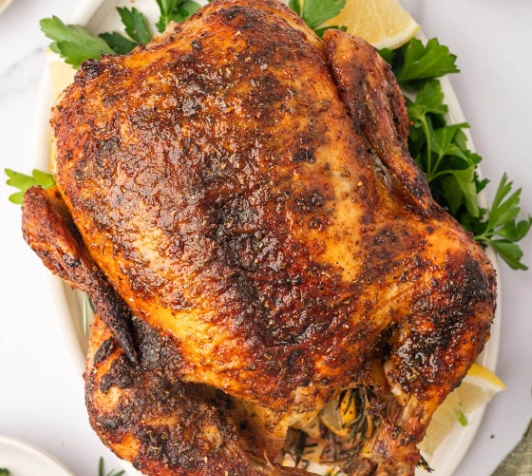
High Heat Method (425°F / 220°C and above)
This is my go-to for a weeknight. A screaming hot oven renders fat quickly, creating that blisteringly crisp, salty skin we all dream about. The chicken cooks faster, too—usually in about 50-70 minutes for a 4-pound bird.
Low & Slow Method (325°F / 160°C)
Advocates of this method swear by its even cooking and incredibly tender, juicy meat. The gentle heat slowly renders fat without aggressively tightening the muscle fibers. The skin won't get as shatteringly crisp initially, but a 10-minute blast at high heat at the end can fix that.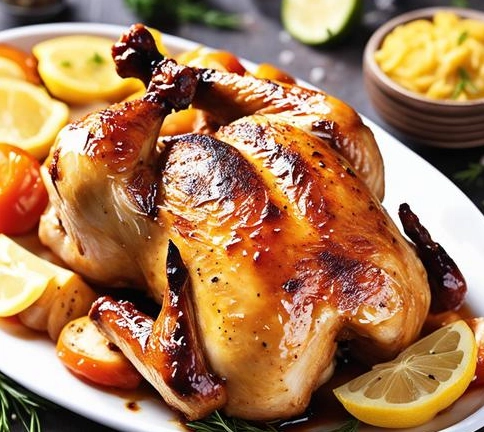
The downside? Time. A chicken can take 1.5 to 2 hours this way.
| Method | Temperature | Approx. Time (4lb bird) | Best For | Watch Out For |
|---|---|---|---|---|
| High Heat | 425°F - 450°F (220°C - 230°C) | 50-70 minutes | Crispy skin, faster cooking | Potential for dry breast |
| Low & Slow | 325°F (160°C) | 90-120 minutes | Maximum juiciness, even cooking | Softer skin, longer cook time |
| Combo Approach | Start high, finish low (or vice versa) | Varies | Balancing crispiness and juiciness | More steps, requires attention |
My personal, non-consensus take? I start at 450°F for 20 minutes to set the skin, then drop to 375°F for the remainder. It gives me 85% of the crisp with 95% of the safety against dryness. It's a hybrid that just works.
Preparation Secrets: It's More Than Just Salt and Pepper
Okay, you've got your chicken. Pat it absolutely dry with paper towels. I mean, bone-dry. This is the single most effective thing you can do for crispy skin. Moisture is the enemy of browning.
Seasoning: Salt is non-negotiable. Be generous. I use about 1 teaspoon of kosher salt per pound, applied all over, including inside the cavity. Do this at least an hour before cooking, or ideally, the night before (uncovered, in the fridge). This "dry brining" seasons the meat deeply and helps the skin dry out further.
Trussing? I skip it. For years, I meticulously tied the legs. It looks pretty, but it traps steam around the thighs, slowing their cooking. Leaving the legs loose lets hot air circulate, helping the dark meat cook more evenly with the white meat. Tuck the wingtips behind the back to prevent burning—that's the only "trussing" I do.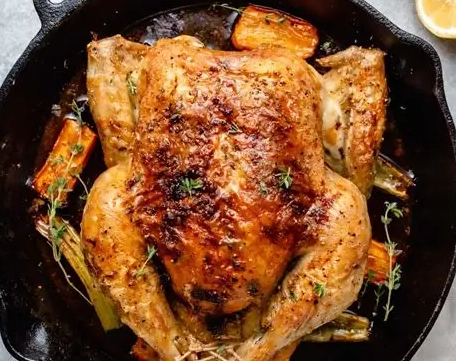
My Foolproof Step-by-Step Roasting Process
Let's walk through it. Assume a 4-pound chicken.
1. Prep Day (or 1+ Hours Before): Dry the chicken. Season aggressively with salt (and pepper if you like) everywhere. Leave it uncovered on a rack in the fridge.
2. Oven Time: Preheat to 450°F. Take the chicken out, let it sit on the counter while the oven heats (about 30 minutes). Place it breast-side up on a rack in a roasting pan. No vegetables underneath yet—they'll steam and prevent fat from dripping properly.
3. The Roast: Put it in the hot oven. Roast at 450°F for 20 minutes. This initial blast sets the color.
4. The Cooldown: Without opening the door, reduce the oven temperature to 375°F. Continue roasting. Now, about 40 minutes in at the lower temp, I add my chopped potatoes, carrots, and onions to the pan, tossing them in the rendered fat. They cook in the most glorious juices.
5. The Test: Start checking the temperature after about 50-60 minutes total cook time. Insert an instant-read thermometer into the thickest part of the thigh, avoiding the bone. You're looking for 165°F (74°C) as per USDA guidelines, but I pull it at 160°F (71°C). Carryover cooking will take it the rest of the way.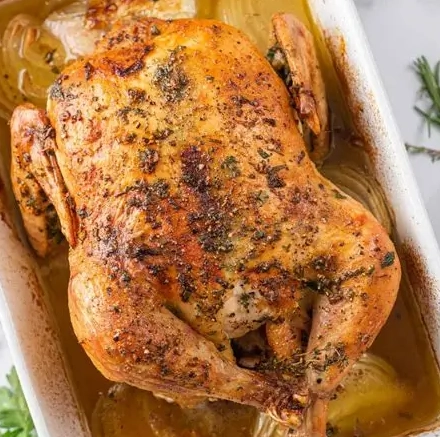
Don't Skip This: Why Resting is Non-Negotiable
You pull the beautiful bird out. You want to carve it immediately. Don't.
Tent it loosely with foil and let it rest on the cutting board for 15-20 minutes. This is when the magic happens. The intense heat has forced the juices to the center of the meat. Resting allows the muscle fibers to relax and reabsorb those juices throughout the entire bird.
If you cut right away, all those precious juices will flood your cutting board, leaving you with a drier chicken. The wait is torture, but it's the difference between good and legendary.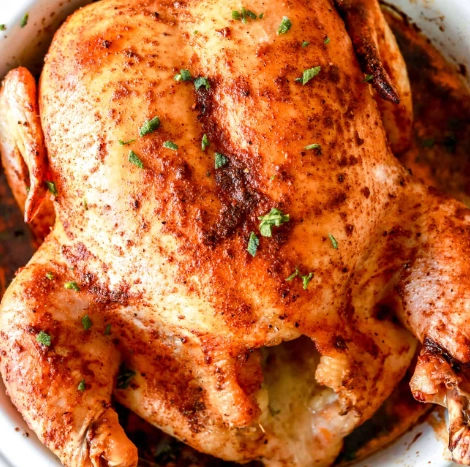
Fixing Common Full Chicken Oven Problems
Even with a great method, things happen. Here's the fix-it guide.
Problem: Skin is golden but not crisp.
Solution: Next time, ensure the skin is drier before cooking. For now, a quick 2-3 minutes under a preheated broiler can salvage it. Watch it like a hawk.
Problem: Breast is done, thighs are under.
Solution: This is the classic issue. Next time, try the "start high, finish low" method or leave the chicken untrussed. For this bird, carefully cut off the breasts to keep them warm, and return the leg-thigh section to the oven for another 10-15 minutes.
Problem: The bottom is steaming, not roasting.
Solution: You must use a rack. Elevating the chicken allows hot air to circulate underneath, promoting all-around browning and preventing a soggy bottom.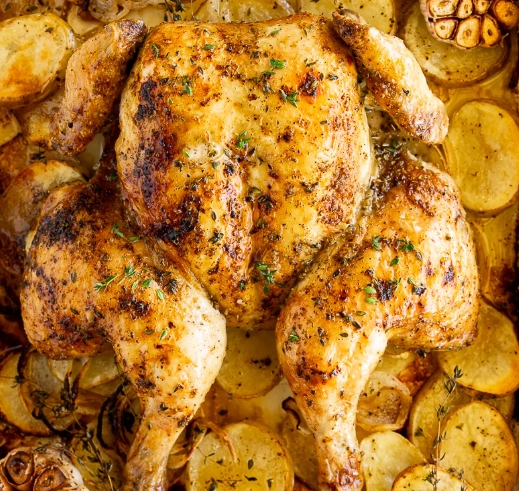
Your Roast Chicken Questions, Answered
Mastering the full chicken oven roast is a foundational kitchen skill. It's economical, impressive, and delivers the kind of comfort food that never goes out of style. Forget the anxiety. Grab a chicken, crank your oven, and use this guide. You'll be surprised how simple perfection can be.
Related Articles