Thinly Sliced Chicken Breast Calories: A Complete Guide
You're probably here because you're counting calories, meal prepping, or just trying to make healthier choices. And chicken breast, especially thinly sliced, is a go-to. But that number on the nutrition label or app—is it for raw, cooked, with oil, without? It gets fuzzy fast. I've been cooking and tracking nutrition for over a decade, and the confusion around "thinly sliced chicken breast calories" is one of the most common sticking points I see. Let's clear it up. The core calorie count for lean, skinless, raw chicken breast is about 165 calories per 100 grams. But whether your thinly sliced pieces hit that target depends on a few sneaky factors most people miss.
What You'll Find Inside
- The Exact Calorie Count for Thinly Sliced Chicken Breast
- What Changes the Calorie Count (The Details Everyone Misses)
- How to Accurately Track Calories in Your Meals
- Cooking Tips for Perfect, Low-Calorie Thinly Sliced Chicken
- 3 Common Calorie Counting Mistakes with Chicken Breast
- Your Thinly Sliced Chicken Calorie Questions, Answered
How Many Calories Are in Thinly Sliced Chicken Breast?
Let's start with the official source. According to the USDA's FoodData Central, the standard reference for nutrition data, raw, boneless, skinless chicken breast contains approximately 120 calories per 100 grams when considering only the edible portion. However, most of us buy and prepare whole breasts. For a typical 4-ounce (113-gram) raw serving of chicken breast, you're looking at roughly 136 calories.
Now, "thinly sliced" isn't a magic calorie-changer. Slicing it thin affects how you cook it and how much you perceive you're eating, but the fundamental calories per gram from the meat itself remain the same if we're talking raw, unadorned chicken.
Where it gets practical is in your meal. A thin slice cooks faster, absorbs marinades better, and feels more substantial in a stir-fry or salad than one big chunk. For planning, here’s a breakdown based on weight and cooking method. Remember, cooking causes water loss, which concentrates calories per gram.
| Serving Description | Approximate Weight | Approximate Calories (Cooked, No Oil/Salt) |
|---|---|---|
| 1 thin slice (pinkie finger size) | ~20g | ~33 calories |
| Small handful for a salad | ~85g (3 oz) | ~140 calories |
| Standard meal portion | ~113g (4 oz) | ~187 calories |
| 1 cup of diced/shredded | ~140g | ~231 calories |
I used to eyeball a "handful" and log it as 100 grams, only to realize my handful was closer to 150g when I finally weighed it. That's a 50% underestimation—a big deal if you're in a calorie deficit.
What Actually Changes the Calorie Count of Your Chicken?
This is where most online articles stop. They give you the USDA number and call it a day. But your kitchen isn't a lab. Here’s what moves the needle, based on real cooking.
1. Water Loss (The Biggest Culprit)
Raw chicken breast is about 70% water. When you cook it, water evaporates. A 4-ounce raw breast might weigh only 3 ounces after grilling. You've lost water weight, not fat or protein. So, the same piece of chicken now has more calories per gram because the calories are packed into less mass. If you track by weight, always weigh after cooking for accuracy, or use a reliable database entry for "chicken breast, grilled, no skin."
2. The Marinade and Brine Soak-Up
Thinly sliced chicken is a sponge. A simple marinade of lemon juice and herbs adds negligible calories. But a sugary teriyaki or honey-based glaze? That sugar gets absorbed into the meat's surface and crevices, adding significant calories that aren't on the raw chicken label. An oil-based marinade also clings to the slices.
3. Cooking Fat and Oil
This is the most variable factor. Sautéing thin slices in a teaspoon of olive oil (approx. 40 calories) adds those calories to the entire dish. If you use two tablespoons to pan-fry, you're adding 240 calories of pure fat. The thinner the slice, the more surface area to which oil can adhere.
How to Track Thinly Sliced Chicken Breast Calories Without Driving Yourself Crazy
Pick one method and stick with it for consistency. Mixing methods leads to errors.
Method A: Weigh Raw (Most Accurate for Home Cooks). Weigh your raw chicken breast before slicing and cooking. Log that weight using a "raw, skinless chicken breast" entry. This accounts for all marinade and cooking oil as separate ingredients. This is my preferred method because it's controlled.
Method B: Weigh Cooked & Use a Cooked Entry. Weigh all the cooked chicken together after preparation. Divide by your number of servings. Use a database entry like "chicken breast, roasted, no skin." The downside? If you used a sugary glaze, those extra calories are now baked into the meat weight and hard to separate.
What about measuring cups? For thin slices or shreds, 1 cup is about 140-150 grams of cooked chicken, roughly 230-250 calories. It's less precise than a scale but better than guessing.
Cooking Tips for Juicy, Low-Calorie Thinly Sliced Chicken
The goal is flavor and moisture without a pool of oil or a sugar-laden sauce. Here’s how I do it.
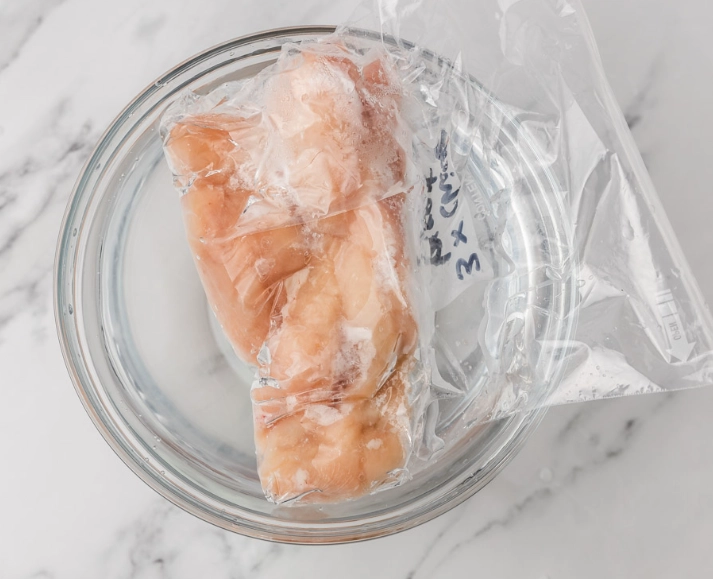
Get the Cut Right: Partially freeze the breast for 20-30 minutes. It firms up, making it infinitely easier to slice paper-thin, uniform pieces with a sharp knife. Cut against the grain for more tender slices.
High-Heat, Quick Cook: Thin slices overcook in seconds. Have your pan or wok screaming hot. Add the chicken in a single layer (don't crowd it), let it sear for 60-90 seconds, flip, and it's usually done. This quick cook preserves moisture.
Flavor Without the Fat/Sugar Bomb:
- Dry Brine: Sprinkle slices with salt, pepper, and smoked paprika 20 minutes before cooking. It seasons deeply.
- Acid-Based Marinade: Lime juice, a touch of minced garlic, and cilantro.
- Broth Poach: Simmer slices in low-sodium chicken broth with a slice of ginger and star anise for an incredibly flavorful, lean result.
Sample Low-Calorie Meal Idea: 15-Minute Chicken & Veggie Stir-Fry
Calories per serving (approx.): 320
Per serving: 4oz raw thinly sliced chicken (136 cal), 2 cups mixed bell peppers & broccoli (70 cal), 1 tsp sesame oil for sautéing (40 cal), sauce of 1 tbsp low-sodium soy sauce, 1 tsp rice vinegar, minced ginger/garlic (15 cal), served over 1/2 cup cauliflower rice (60 cal). The thin slices cook so fast the veggies stay crisp.
3 Common Calorie Counting Mistakes with Chicken Breast
I've seen these trip up countless people, from clients to friends.
1. Assuming "Boiled" is Always the Lowest Calorie Option. Boiling can leach flavor and some nutrients into the water. Steaming or poaching in a minimal amount of liquid retains more of the chicken's natural goodness for the same calorie count. The difference is marginal, but the taste and texture payoff is huge.
2. Ignoring the "Sauce and Dressing" Calorie Creep. You meticulously weigh 150 grams of perfectly grilled, thinly sliced chicken (approx. 248 cal). Then you drown it in 3 tablespoons of a creamy Caesar dressing (approx. 270 cal). You've just doubled the calorie load of your main ingredient. The chicken wasn't the problem.
3. Obsessing Over the Exact Chicken Calories While Ignoring Overall Nutrition. A 10-calorie variance in your chicken slice matters far less than whether your meal has vegetables, fiber, and healthy fats. Is 170 calories of chicken in a balanced bowl better than 165 calories of chicken with fries? Absolutely.
Your Thinly Sliced Chicken Calorie Questions, Answered
At the end of the day, knowing the precise calories in your thinly sliced chicken breast is a useful tool, but it's just one piece of the healthy eating puzzle. Focus on cooking it well, pairing it with plenty of vegetables, and enjoying the meal. That's how you build sustainable habits, not just log numbers.
Related Articles