Chicken Cutlets vs Chicken Breasts: The Real Differences Explained
Quick Navigation
- The Breakdown: What Exactly Are We Talking About?
- Side-by-Side: The Core Differences (A Quick-Reference Table)
- Why Does the Difference Matter in Your Kitchen?
- How to Cook Each One Perfectly (And Avoid Common Pitfalls)
- Your Questions, Answered (The FAQ Section)
- Making the Choice: A Simple Decision Guide
Okay, let's be real. If you've ever stood in the poultry section staring at packages labeled "chicken breast cutlets" and "boneless skinless chicken breasts," you've probably wondered what the deal is. They look similar, they're both white meat, and let's face it, the packaging doesn't always help. I remember once grabbing what I thought was a regular breast for a recipe, only to end up with a thin piece of meat that cooked in half the time and nearly turned into leather. Not my finest kitchen moment.
So, are chicken cutlets different than chicken breasts? In a word, absolutely. It's not just marketing. The difference affects your cooking time, your recipe results, your wallet, and even the texture on your plate. This isn't some niche chef knowledge; it's basic, practical stuff that makes weeknight cooking less of a guessing game.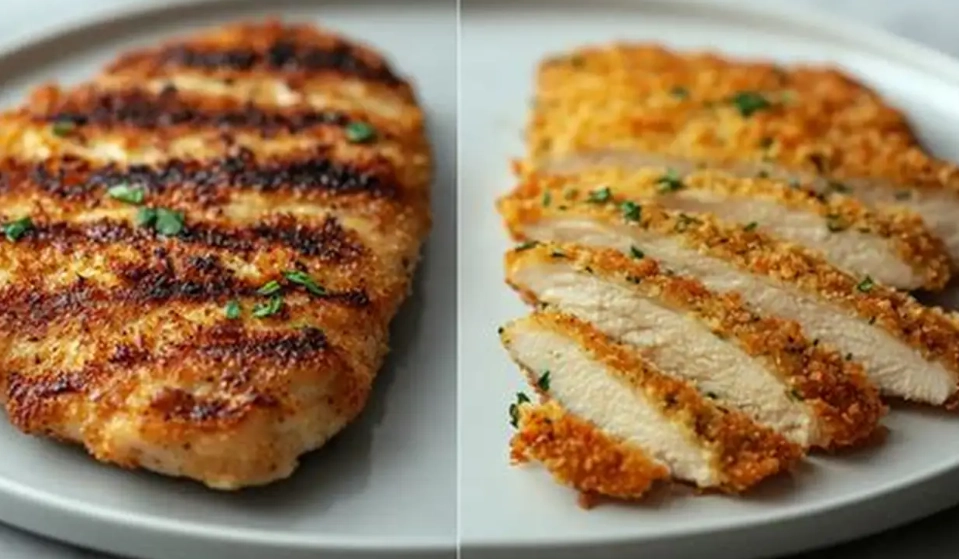
The Short Answer: A chicken breast is the whole, intact muscle from the bird. A chicken cutlet is usually a chicken breast that has been sliced horizontally into thinner pieces and often pounded to an even thickness. They start from the same place but end up as different products with different purposes.
This guide is going to dig into the nitty-gritty. We'll go beyond the simple definition and look at why you'd choose one over the other, how to not ruin them while cooking, and answer all those little questions that pop up when you're meal planning. Think of it as your no-nonsense manual to navigating the chicken aisle like a pro.
The Breakdown: What Exactly Are We Talking About?
First, let's get our terms straight. This is where a lot of the confusion starts.
What is a Chicken Breast?
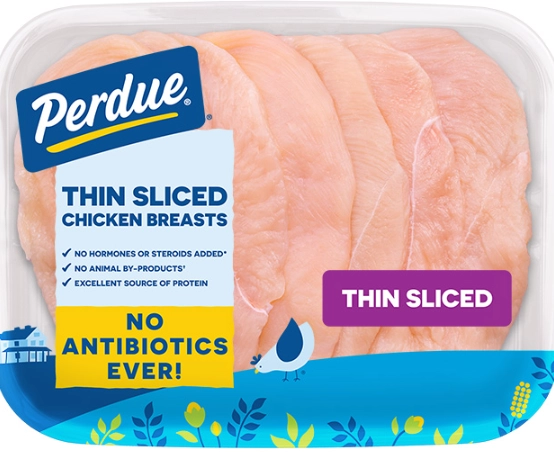
When you buy a boneless, skinless chicken breast, you're getting the entire pectoralis major muscle. It's a substantial, naturally thick piece of meat, usually weighing between 6 to 8 ounces. It has a slight teardrop shape—one end is thicker and plumper (the "fillet" end), and the other tapers to a thinner point. This uneven thickness is the number one challenge when cooking whole breasts, as the thin end can dry out before the thick center is cooked through.
What is a Chicken Cutlet?
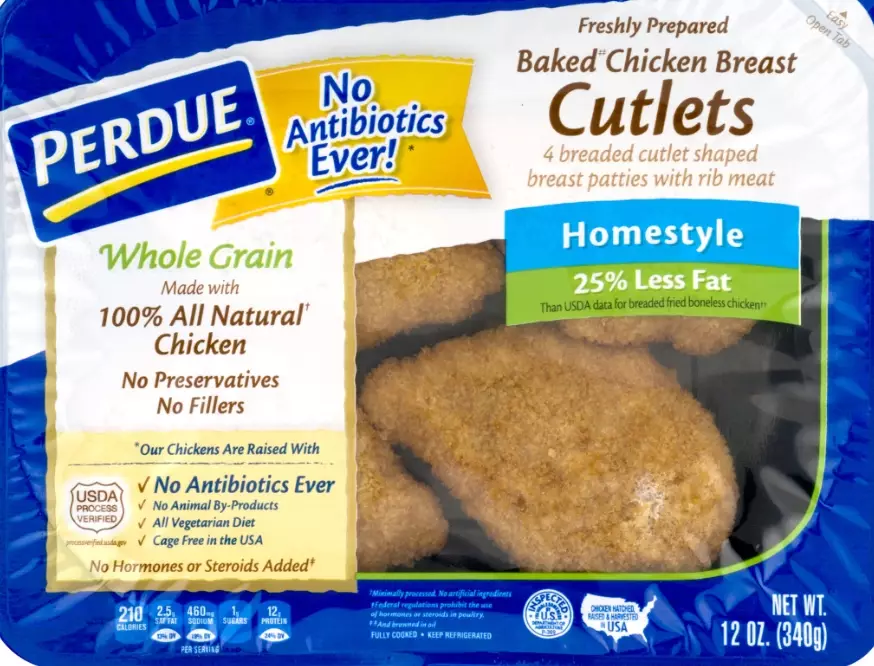
A chicken cutlet is almost always made from a chicken breast, but it's a transformed version. The process is simple: a whole breast is placed on a cutting board and carefully sliced horizontally through its thickness, creating two (or sometimes three) wider, much thinner pieces. These are often then placed between plastic wrap and gently pounded with a meat mallet or rolling pin to achieve a perfectly uniform thickness, usually between 1/4 to 1/2 inch.
This is key: Are chicken cutlets different than chicken breasts? Yes, primarily in their form and thickness. They are a preparation of a chicken breast, not a different cut from the bird's anatomy.
Sometimes, you might see the term "scallopini" or "escalope," which is essentially the same idea—a thin, pounded piece of meat ideal for quick cooking.
Side-by-Side: The Core Differences (A Quick-Reference Table)
Let's lay it all out clearly. This table sums up the main points of the chicken cutlet vs. chicken breast debate.
| Characteristic | Chicken Breast (Whole) | Chicken Cutlet |
|---|---|---|
| What It Is | The entire, intact pectoral muscle. | A whole breast that has been sliced horizontally and pounded thin. |
| Thickness | Naturally thick & uneven (1 inch+ at the thickest). | Uniformly thin (¼ to ½ inch). |
| Cooking Time | Longer (15-25 mins, depending on method). Requires careful heat management. | Very short (2-5 minutes per side). Cooks quickly and evenly. |
| Primary Cooking Methods | Baking, roasting, grilling, poaching, slow-cooking. | Pan-frying, sautéing, deep-frying (for schnitzel), flash-grilling. |
| Best For... | Meals where a juicy, substantial piece of protein is the star (e.g., herb-roasted chicken, grilled breast with veggies). | Quick weeknight dinners, dishes with sauces, breading/frying, sandwiches, salads. |
| Texture When Cooked Right | Juicy, tender, and substantial with a satisfying bite. | Tender, sometimes slightly more delicate, with a greater surface area for browning. |
| Texture When Overcooked | Dry, stringy, tough, and chalky. (We've all been there). | Can become dry and leathery very quickly due to thinness. |
| Price Point | Generally the least expensive per pound for boneless, skinless cuts. | Often costs more per pound because of the extra labor involved in prepping. |
| Control & Convenience | You have full control to butterfly, pound, or cook whole. More prep options. | Ultimate convenience. Ready-to-cook, no prep needed. Saves time. |
Why Does the Difference Matter in Your Kitchen?
This isn't just trivia. Choosing the right cut has real consequences for your dinner.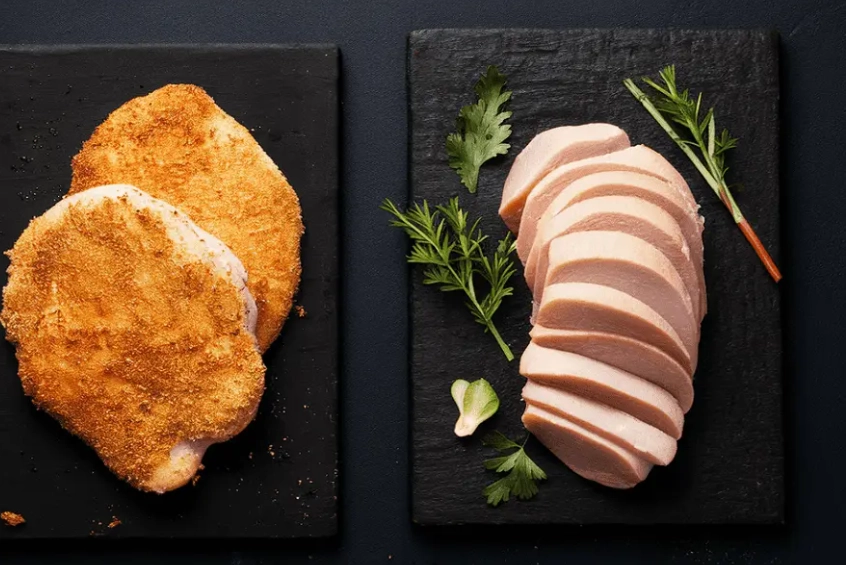
Cooking Time and Evenness
This is the biggest practical impact. A whole breast's uneven thickness means the heat has to travel to the center without destroying the edges. It requires technique—like searing then finishing in the oven, or pounding the thick end to even it out.
Cutlets eliminate that problem.
Their uniform thinness guarantees they cook through evenly in minutes. You don't have to worry about a pink center. The trade-off? There's zero margin for error. Walk away from the stove for two minutes too long, and you've got jerky. I learned that the hard way with a batch of lemon chicken piccata.
Recipe Suitability: Which One Should You Use?
Your recipe is your best guide. Using the wrong cut can throw the whole dish off balance.
Use Whole Chicken Breasts When:
- The recipe says "bake," "roast," or "grill" for more than 10-12 minutes.
- You want a juicy, plump piece of chicken to slice and serve on its own (like with a side of mashed potatoes).
- You're making shredded chicken in a slow cooker or Instant Pot.
- You're stuffing or rolling the chicken (like chicken cordon bleu).
- You're on a tighter budget and don't mind doing a bit of prep yourself.
Use Chicken Cutlets When:
- The recipe specifically calls for "cutlets," "thin-cut chicken," or "scallopini."
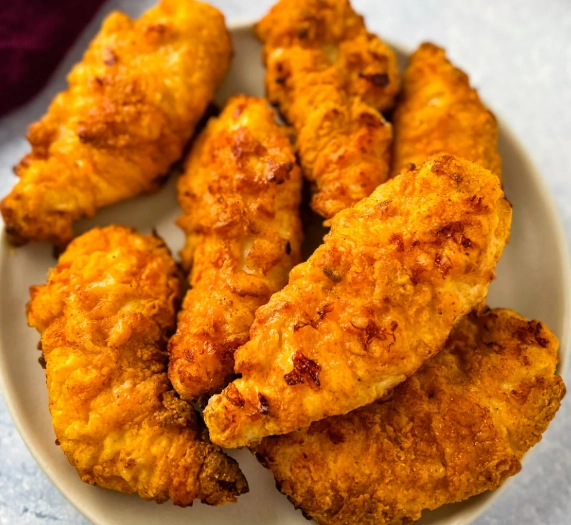
- You're making a dish where the chicken will be breaded and pan-fried (like chicken Parmesan, schnitzel, or katsu). The thinness ensures the coating and meat cook perfectly together.
- You're making a quick pan sauce (like piccata, marsala, or a creamy mushroom sauce). The cutlets cook fast and absorb sauce beautifully.
- You want chicken for sandwiches, wraps, or to slice over a salad.
- It's 6 PM, you're hungry, and you need dinner on the table in 15 minutes flat.
The Price and Value Conversation
Here's a practical truth: pre-cut chicken cutlets almost always cost more per pound than whole breasts. You're paying for the butcher's labor. Is it worth it?
For a busy Tuesday night, that extra dollar or two can be worth every penny in saved time and hassle. But if you're feeding a family on a budget or meal prepping for the week, buying whole breasts and making your own cutlets is a fantastic money-saving skill. It takes 60 seconds and a sharp knife. Seriously, once you do it, you'll feel like a kitchen wizard.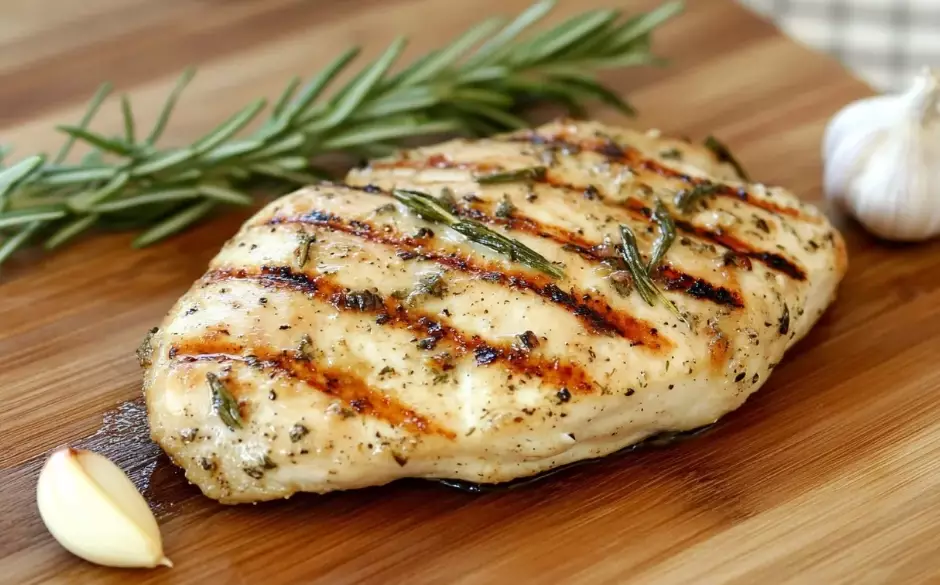
How to Cook Each One Perfectly (And Avoid Common Pitfalls)
Knowing the difference is step one. Cooking them well is step two. Let's talk technique.
Mastering the Whole Chicken Breast
The enemy of the whole breast is dryness. The goal is to get the interior to a safe 165°F (74°C) without overcooking the exterior.
- Brine or Dry-Brine: Soaking breasts in a saltwater brine for 30 minutes to a few hours works wonders for moisture retention. A quick dry brine (salting them and letting them sit in the fridge on a rack for an hour) is my go-to method. It makes a noticeable difference.
- Pound to Even Thickness: Before cooking, place the breast between plastic wrap and gently pound the thicker end until it's roughly the same thickness as the thinner end. This is the single best trick for even cooking.
- Use a Thermometer: Guessing is a recipe for dry chicken. A good instant-read thermometer is a cheap investment that pays for itself in perfect poultry. Pull the breast off the heat at 160-162°F (71-72°C). The temperature will carry over to 165°F as it rests.
- Rest the Meat: Let the cooked breast rest for 5-10 minutes before slicing. This allows the juices to redistribute. If you cut it open immediately, all those precious juices will just run out onto the cutting board.
Conquering the Chicken Cutlet
With cutlets, speed and attention are your best tools.
- High Heat, Short Time: Get your pan (preferably stainless steel or cast iron) nice and hot over medium-high heat with a bit of oil. You want a good sizzle when the meat hits the pan.
- Don't Crowd the Pan: Give each cutlet space. If you pile them in, they'll steam instead of sear, and you'll get soggy, gray meat. Cook in batches if you have to.
- Season Well: Because they cook so fast, season liberally with salt and pepper right before they go in the pan.
- The 2-3 Minute Rule: For a standard ¼-inch cutlet, 2-3 minutes per side is usually sufficient. They cook in a flash. Check for doneness by making a small cut in the thickest part—no pink should remain.
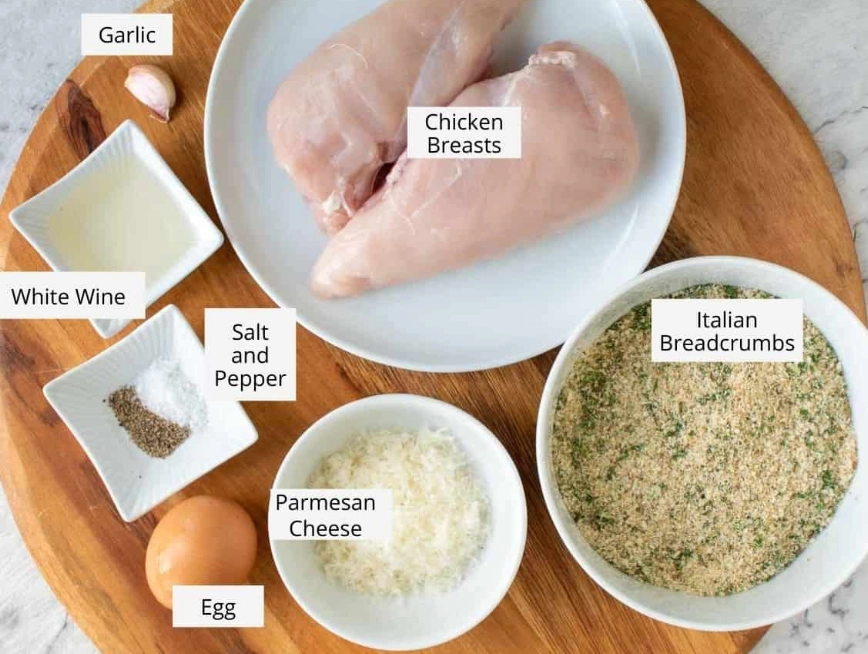
- Breading Tip: For breaded cutlets (like for chicken Parmesan), use the standard dredge station: flour, beaten egg, then breadcrumbs/panko. Press the crumbs on firmly. Let them rest on a wire rack for 5-10 minutes before frying to help the coating set.
Biggest Mistake with Cutlets: Walking away from the stove. Set a timer if you have to. That quick phone check can be the difference between golden perfection and a burnt offering.
Your Questions, Answered (The FAQ Section)
Let's tackle some of the specific questions people have when they're searching for answers about chicken cutlets and breasts.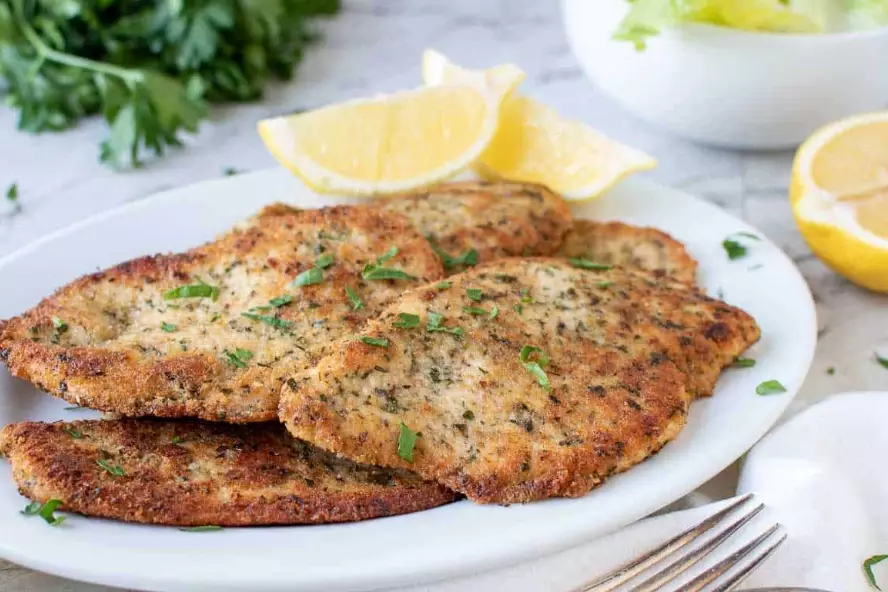
Making the Choice: A Simple Decision Guide
Still unsure what to buy? Ask yourself these questions at the store:
- How much time do I have? Under 20 mins total? Grab cutlets. Have more time? Breasts are fine.
- What does my recipe say? Always check first. "Bake at 400°F for 25 minutes" means whole breast. "Sauté for 3-4 minutes per side" means cutlets.
- Am I breading or making a pan sauce? Cutlets are your friend.
- Am I grilling or meal-prepping for salads? A whole breast, cooked and sliced, often works better.
- Is my main goal saving money or saving time? Money = whole breasts. Time = pre-cut cutlets.
The Bottom Line: Are chicken cutlets different than chicken breasts? Yes, in form, function, and cooking behavior. But one isn't inherently better than the other. They are tools for different jobs. Knowing the difference—that a cutlet is a prepped, thin version of a breast—empowers you to choose the right tool, cook it with confidence, and get the results you want on your plate every time.
The best home cooks aren't just people who follow recipes; they're people who understand their ingredients. Now you understand this one.
So next time you're in that poultry aisle, you won't just stare. You'll know exactly what you need. Maybe you'll grab the whole breasts to butterfly and pound yourself, feeling thrifty and resourceful. Or maybe you'll grab the convenient cutlets, giving yourself the gift of 15 extra minutes of your evening. Both are perfectly valid choices. That's the real win.
Related Articles