Perfect Roast Chicken Recipe: Crispy Skin, Juicy Meat in Oven
Let's be honest. The first time I tried to roast a whole chicken, it was a disaster. The breast was dry and sawdust-like, the skin was pale and flabby, and the legs were somehow still a bit pink near the bone. I followed a recipe to the letter, but it felt like I'd missed a secret handshake. After years of trial, error, and consulting with butchers, I finally cracked the code. A perfect roast chicken recipe isn't about fancy ingredients; it's about nailing a few simple, non-negotiable techniques. This guide will walk you through exactly how to transform a humble whole chicken into a stunning centerpiece with crackling-crisp skin and unbelievably juicy meat, right in your home oven.
Your Roasting Roadmap
Why a Simple Roast Chicken is the Ultimate Test
Anyone can hide flavors under a heavy sauce. Roasting a whole chicken with minimal fuss exposes your technique. There's nowhere to hide. Get it right, and you have a meal that feels celebratory yet comforting, impressive yet affordable. The goal here is contrast: skin so crisp it shatters, meat so moist it practically glistens. It's a one-pan wonder that yields not just dinner, but potentially days of sandwiches, salads, and soups from the leftovers. Most recipes get the basics, but they gloss over the why. Knowing why you truss the bird or why resting is non-negotiable is what separates a good chicken from a great one.
The Prep Work That Makes All the Difference
Great roasting starts hours before the chicken hits the oven. Rushing this stage is the number one mistake home cooks make.
Choosing and Prepping Your Bird
Aim for a 4 to 5-pound chicken. Anything much larger risks uneven cooking. Pat the chicken extremely dry, inside and out, with paper towels. This is the single most important step for crispy skin. Moisture is the enemy of crispness.
To Brine or Not to Brine?
This is my non-consensus hill to die on: dry brine over wet brine. Wet brining (soaking in salt water) adds moisture but can make the skin rubbery and dilute flavor. A dry brine—simply rubbing salt all over the bird and letting it sit uncovered in the fridge for 4-24 hours—draws out moisture, which then gets reabsorbed along with the salt, seasoning the meat deeply and drying the skin for ultimate crackle. Do it the night before. You'll thank me.
Quick Dry Brine Ratio: Use about 3/4 to 1 teaspoon of kosher salt per pound of chicken. Rub it everywhere, including under the skin on the breasts and inside the cavity.
Trussing and Seasoning
Trussing (tying the legs and wings close to the body) isn't just for looks. It creates a compact, even shape so the legs and breast finish cooking at the same time. Use kitchen twine. After trussing, rub the skin with a little oil (not butter—it burns) and add any other seasonings. Keep it simple: black pepper, maybe some thyme or garlic powder. Don't stuff the cavity with aromatics; it insulates and slows down cooking. Instead, toss a halved lemon, a few garlic cloves, and some herbs in the pan around the chicken.
The Roasting Process: Time, Temperature, and Trust
Here's where magic happens. Forget low and slow for the whole time. We use a two-temperature method for maximum effect.
| Stage | Oven Temp | Approx. Time (for 4.5lb bird) | Goal |
|---|---|---|---|
| Initial Roast | 450°F (230°C) | 25-30 minutes | Blast the skin with high heat to start rendering fat and crisping. |
| Main Roast | 375°F (190°C) | 45-55 minutes | Gently cook the meat through without burning the skin. |
| Final Check | N/A | Until done | Ensure internal temperature is safe and perfect. |
Place the chicken on a rack in a roasting pan, breast-side up. Start it in the preheated 450°F oven. That initial sizzle is key. After 25-30 minutes, when the skin is starting to brown nicely, reduce the heat to 375°F. Do not open the door constantly to check. Trust the process.
The Only Tool That Matters: A Thermometer
Guessing doneness is a recipe for dry chicken. Insert an instant-read thermometer into the thickest part of the thigh (avoiding the bone) and the center of the breast. The U.S. Department of Agriculture (USDA) recommends a safe minimum temperature of 165°F (74°C) for poultry. For juiciness, I pull my chicken when the thigh reads 165°F and the breast reads about 155-160°F. The carryover heat during resting will bring it up the last few degrees perfectly.
Common Pitfall: Fear of undercooking leads to overcooking. If you wait until the breast reads 165°F in the oven, it'll be closer to 175°F after resting—and dry. Use a thermometer religiously.
The Critical Final Steps: Resting and Carving
This is the step everyone wants to skip. Don't.
Resting is Non-Negotiable
When the chicken hits temp, take it out, transfer it to a cutting board (leave the juices in the pan for gravy!), and let it rest for at least 20 minutes. Tent it loosely with foil if you're worried about it getting cold. Resting allows the frantic, hot juices inside the muscle fibers to relax and redistribute. If you carve immediately, all that precious moisture ends up on the board, not in your mouth. A proper rest guarantees juicy meat.
How to Carve a Whole Chicken Like a Pro
Remove the twine. Start by cutting the skin between the leg and body, then pop the thigh joint out of its socket and cut through to remove the entire leg (thigh and drumstick together). You can separate them later. Next, make a long cut along one side of the breastbone, then slice down, following the rib cage, to remove the breast in one large piece. Repeat on the other side. Slice the breasts against the grain. It's easier than it sounds and looks much better than hacking it apart.
Serving It Up and Dealing with Leftovers
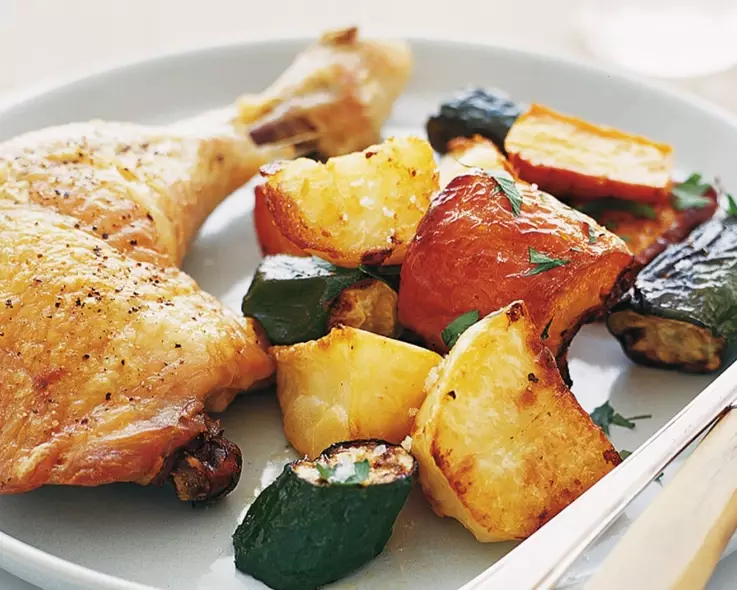
Serve with the roasted lemon and garlic from the pan, some simple roasted vegetables that cooked alongside, and a quick gravy made from the pan drippings (deglaze with a splash of wine or broth, simmer, season).
The carcass is gold. Don't throw it away. Throw it in a pot with some onion, carrot, and celery, cover with water, and simmer for a few hours. You've just made incredible chicken stock for soup. The leftover meat is perfect for chicken salad, pot pie, or tacos the next day.
Your Roast Chicken Questions, Answered
Related Articles