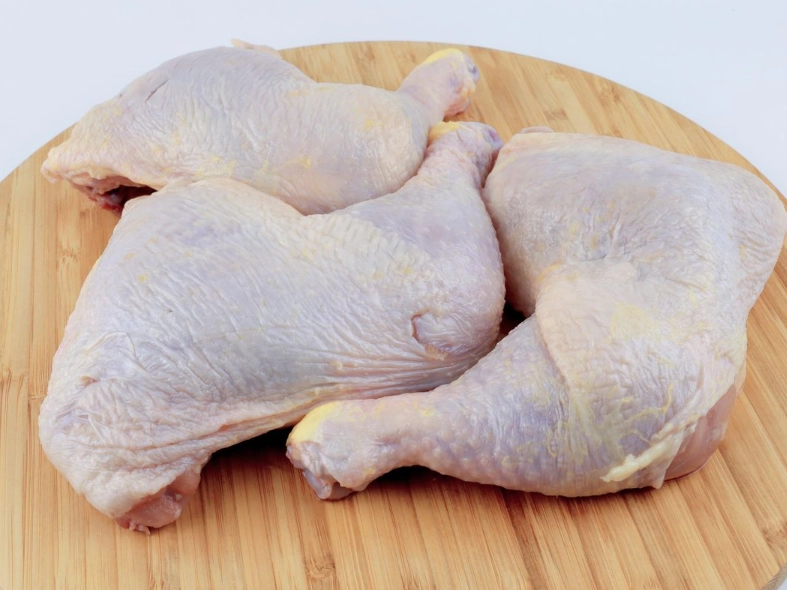
Boneless Skinless Chicken Thighs Nutrition: A Complete Guide
Let's get straight to the point. If you've been avoiding boneless, skinless chicken thighs because you think they're the "unhealthy" part of the chicken, you're missing out. Big time. For years, chicken breast has been crowned the king of lean protein, while the humble thigh got sidelined as a fatty, less virtuous option. But after cooking with both for over a decade—from meal prepping for clients to feeding a hungry family—I've come to a firm conclusion: the thigh is often the smarter, more flavorful, and surprisingly nutritious choice for most people's everyday eating.
The real story of boneless skinless chicken thighs nutrition isn't about being "good" or "bad." It's about understanding what's actually in your food, how it fits into your goals, and unlocking its full potential in the kitchen. This guide will strip away the myths and give you the concrete data and practical know-how you need.
What's Inside This Guide
The Detailed Nutrition Breakdown: What's Really in a 4-oz Serving?
Talking about "protein" and "fat" is too vague. You need numbers. Based on data from the USDA's FoodData Central, here’s the exact nutritional profile for a 4-ounce (113-gram) cooked serving of boneless, skinless chicken thigh.
| Nutrient | Amount | % Daily Value (DV)* |
|---|---|---|
| Calories | 209 kcal | ~10% |
| Protein | 26 grams | 52% |
| Total Fat | 10.9 grams | 14% |
| Saturated Fat | 3.0 grams | 15% |
| Iron | 1.3 mg | 7% |
| Zinc | 2.4 mg | 22% |
| Selenium | 22.5 mcg | 41% |
| Vitamin B12 | 0.4 mcg | 17% |
| Niacin (B3) | 6.4 mg | 40% |
*Percent Daily Values are based on a 2,000 calorie diet.
Look at that protein number—26 grams. That's more than enough to significantly contribute to muscle repair, satiety, and metabolic function after a single meal. The fat content, often the point of contention, is primarily monounsaturated and saturated. A common misconception is that all this fat is "bad." The monounsaturated fats are the same heart-healthy type found in olive oil.
The micronutrient profile is where thighs quietly outshine breasts. They contain nearly double the zinc and a significantly higher amount of iron. Zinc is crucial for immune function and wound healing, while iron carries oxygen in your blood. If you're active or don't eat much red meat, this is a big deal. The selenium content is a standout—over 40% of your daily need. Selenium is a powerful antioxidant that supports thyroid function and protects cells from damage.
Key Takeaway: Boneless skinless chicken thighs are a nutrient-dense package. They're not just "protein with some fat." They're a significant source of essential minerals like zinc, selenium, and iron that are harder to get from plant sources and are less abundant in white meat.
Chicken Thighs vs. Chicken Breast: The Nutrition Showdown
This is the comparison everyone wants. Let's move beyond "thighs have more fat" and look at the practical implications for your diet, wallet, and taste buds.
Nutrition Per 4 oz Cooked Serving
Calories & Macronutrients: A chicken breast has about 165 calories and 31g of protein, with only 3.6g of fat. The thigh, at 209 calories and 26g of protein, has that extra 7-8g of fat. For most people not on an extremely strict competition diet, that 44-calorie difference is negligible in the context of a balanced meal with vegetables and complex carbs. The thigh's fat provides a longer feeling of fullness.
Micronutrients (The Hidden Win): As shown above, thighs win on iron, zinc, and B-vitamin density. Breasts have their strengths (slightly more B6), but for overall mineral content, the darker meat takes it.
Cost and Culinary Flexibility
Here's a non-nutrition fact that impacts your nutrition: boneless, skinless thighs are consistently 20-30% cheaper per pound than breasts. This makes hitting your protein goals more sustainable. Culinaryy, the higher fat content is insurance against dry, rubbery chicken. Thighs forgive overcooking, stay juicy in soups and stews, and absorb marinades beautifully. A dry breast can ruin a meal; a thigh is far more resilient.
My advice? Use both. Keep breasts for meals where you want a very lean, blank canvas. Rely on thighs for reliable, flavorful, cost-effective weekday cooking, slow-cooked dishes, and any recipe where juiciness is paramount.
Specific Health Benefits You Might Not Know
Calling any single food "healthy" is oversimplifying. But within a balanced diet, the nutrients in chicken thighs contribute to some clear benefits.
Supports Heart Health (Yes, Really): The fat profile is key. About half of the fat in a chicken thigh is monounsaturated. Research, like that highlighted by the American Heart Association, suggests replacing saturated fats with monounsaturated fats can improve blood cholesterol levels. The thigh provides a source of these fats along with its protein.
Excellent for Muscle Building & Maintenance: With 26 grams of high-quality, complete protein per serving, it provides all essential amino acids needed for muscle protein synthesis. The extra calories from fat can be an advantage for those struggling to eat enough in a mass-gaining phase.
Boosts Nutrient Intake for Active People: The zinc and iron are critical here. Zinc is lost through sweat and is vital for recovery. Iron deficiency can lead to fatigue and impaired performance. Choosing thighs over breasts a few times a week is an easy way to bolster your intake of these often-overlooked minerals.
A Sustaining Choice for Weight Management: Protein and fat are the two most satiating macronutrients. A meal with chicken thighs will likely keep you fuller for longer than an equally portioned meal with breast, potentially reducing the urge to snack later. It's about total satisfaction, not just the lowest calorie count.
How to Cook Boneless Skinless Chicken Thighs for Maximum Nutrition & Flavor
Nutrition isn't just about raw numbers; it's about how you prepare your food. Poor cooking can degrade nutrients or add unnecessary unhealthy elements.
Best Cooking Methods to Preserve Nutrients
Baking/Roasting: My go-to for meal prep. Cooking at a steady 400°F (200°C) allows the fat to render slowly without burning. The internal fat bastes the meat, keeping it moist without needing to add oil. You retain nearly all the protein and minerals.
Grilling: Great for flavor. The key is to avoid charring or flaming, which can create potentially harmful compounds. Marinate the thighs (even for 30 minutes) – the acid helps create a barrier. Use medium heat and flip frequently.
Braising or Stewing: Cooking thighs in a liquid (broth, tomatoes) at a low temperature is fantastic. The collagen and connective tissue break down into gelatin, making the meat incredibly tender. All the nutrients leach into the cooking liquid, so make sure you eat it as a sauce or soup.
Avoid This Common Mistake: The Over-Seasoning Salt Bomb
Here's a subtle error I see constantly. Because thighs are more forgiving, people drown them in high-sodium spice blends, soy sauce, or teriyaki. You're turning a nutritious protein into a sodium delivery vehicle. Build flavor with herbs (thyme, rosemary), spices (paprika, cumin), citrus zest, garlic, and onion powder. Use salt, but be mindful. Your heart and blood pressure will thank you.
Perfect Pairings for a Balanced Meal
Pair your cooked thighs with:
- Fiber-rich carbs: Quinoa, brown rice, sweet potato. The fiber helps regulate the absorption of the fats.
- Non-starchy vegetables: A large portion of broccoli, bell peppers, or a mixed salad. This adds volume, vitamins, and antioxidants with minimal calories.
- A healthy fat accent: You don't need much, but a drizzle of olive oil-based dressing or half an avocado complements the meal's fat profile.
Your Top Boneless Skinless Chicken Thighs Nutrition Questions, Answered
Are boneless skinless chicken thighs okay for a weight loss diet?
Absolutely, but it depends on your overall approach. If you're strictly counting calories, you must account for the extra ~45 calories per serving compared to breast. However, for many people, the increased satiety from the fat means they naturally eat less later, creating a better calorie balance without feeling deprived. The key is portion control (stick to 4-6 oz) and pairing it with lots of vegetables. For sustainable weight loss that doesn't feel like a punishment, thighs are often a better psychological choice.
I'm trying to build muscle. Should I stick to breast for more protein?
You're focusing on the wrong metric. Both provide more than enough protein per serving to stimulate muscle growth (26g vs 31g). The difference is minimal. The extra calories and fats in the thigh can be beneficial if you have a fast metabolism and struggle to be in a caloric surplus, which is necessary for building mass. The higher zinc content also supports recovery and testosterone production. For most lifters, alternating between both or choosing based on your daily calorie and fat targets is the optimal strategy.
How does freezing affect the nutrition of chicken thighs?
Minimally. Modern flash-freezing locks in nutrients. The primary concern is texture and moisture loss due to ice crystal formation. To minimize this, freeze thighs as fresh as possible, in airtight packaging (squeeze out excess air), and thaw slowly in the refrigerator. Protein, fat, and mineral content remain virtually unchanged. The real nutritional loss happens from overcooking after thawing, not from the freeze itself.
What's the deal with hormones and antibiotics in chicken thighs?
By USDA law in the United States, chickens cannot be given hormones or steroids. The term "hormone-free" on packaging is a marketing tactic. Antibiotics are a different story. They can be used to treat sick birds. If this concerns you, look for labels like "No Antibiotics Ever" or "Raised Without Antibiotics." Remember, all chicken, regardless of label, must pass USDA safety inspections. From a pure nutrition standpoint, the presence of trace antibiotics does not alter the macronutrient or micronutrient profile of the meat itself.
Can I eat chicken thighs if I have high cholesterol?
You should consult your doctor or dietitian for personalized advice. However, current dietary understanding, from sources like the Harvard T.H. Chan School of Public Health, indicates that for most people, dietary cholesterol (found in food) has a much smaller effect on blood cholesterol than previously thought. The bigger concern is saturated and trans fats. A 4-oz thigh has about 15% of the DV for saturated fat. Within a diet low in processed foods and rich in fruits, vegetables, and whole grains, moderate consumption of chicken thighs can be part of a heart-healthy plan. Removing the skin is the most important step, which you've already done by choosing skinless.
Related Articles