Chicken Breast vs Thigh: The Ultimate Guide for Every Cook
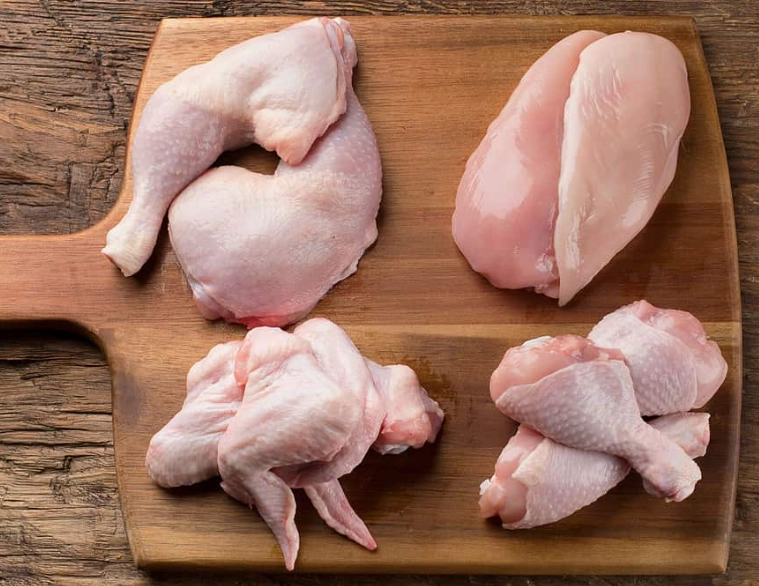
You're staring at the poultry section. On one side, the pristine, lean chicken breasts. On the other, the darker, more rustic-looking thighs. Which bag do you grab? If you default to breast because it's "healthy" or thigh because it's "tasty," you're missing the whole picture. The choice isn't a moral dilemma; it's a strategic one based on your meal's goal, your budget, and frankly, your skill in the kitchen. I've cooked with both for over a decade, from dry, disappointing breasts to greasy, undercooked thighs, and I'm here to give you the unvarnished truth. Let's settle the chicken breast or thigh debate once and for all.
What's Inside?
Head-to-Head: Nutrition, Flavor, and Cost
Let's get the basic facts out of the way. The common wisdom is mostly right, but the devil is in the details—details that change your decision.
| Factor | Chicken Breast (Skinless, Boneless) | Chicken Thigh (Skinless, Boneless) |
|---|---|---|
| Calories & Protein (per 100g) | ~165 calories, 31g protein. The undisputed lean protein king. | ~209 calories, 26g protein. Still excellent protein, just with more energy. |
| Fat Content | ~3.6g fat. Very low, which is why it dries out so fast. | ~13g fat. Higher, but it's this fat that carries flavor and keeps it moist. |
| Primary Flavor & Texture | Mild, clean flavor. Texture is firm when cooked right, but can be stringy and dry if overcooked by even a minute. | Rich, savory, almost "meatier" flavor. Texture is consistently juicy and tender, forgiving to cook. |
| Cost (Typical) | Usually more expensive per pound. You're paying for the convenience of lean meat. | Often the budget-friendly choice. More flavor for less money is a win. |
| Biggest Cooking Risk | Overcooking. It has no fat armor. The window between "perfect" and "sawdust" is narrow. | Undercooking near the bone (if bone-in) or not rendering the skin crispy (if skin-on). |
Here's the non-consensus part everyone misses: that fat difference isn't just about calories. The fat in thighs is where a lot of the vitamins (like fat-soluble Vitamin A) hang out, and it's what makes the meat so satisfying. A study from the American Journal of Clinical Nutrition has shifted the conversation from "fat is bad" to the type of fat mattering more. Chicken fat is largely monounsaturated and saturated—not the villain it was once made out to be in moderate amounts.
How to Choose: A Simple Decision Framework
Stop guessing. Ask yourself these questions before you shop.
Pick Chicken Breast If...
- You need a blank canvas. Making a lemon herb sauce? A light stir-fry with delicate veggies? Breast absorbs flavors without competing.
- Speed and leanness are non-negotiable. You're on a tight post-workout schedule and need high protein, low fat, fast.
- You're serving a crowd with unknown preferences. Its mildness is universally accepted (even if it's not always exciting).
I use breasts for things like chicken piccata, where a thin, quick-cooked cutlet is essential, or for shredding into a large batch of chicken salad for a party.
Pick Chicken Thigh If...
- Flavor and foolproof juiciness are the top priorities. Curries, stews, braises, grilling. Thighs won't betray you.
- You're cooking for a family on a budget. More flavor, less cost. It's simple math.
- You're meal prepping. Thighs reheat dramatically better. A breast microwaved on Wednesday is often a tragedy; a thigh stays succulent.
- You're a less confident cook. The higher fat content gives you a buffer against overcooking. It's the forgiving cut.
My go-to for a guaranteed delicious dinner is always thighs. They transform a simple weeknight meal.
Cooking Each Cut Perfectly (Avoiding Common Pitfalls)
The Chicken Breast Rescue Mission
The number one mistake with breast? Treating it like a thigh. You can't blast it with high heat for ages.
For juicy breasts every time: Brine them (30 minutes in saltwater) or dry-brine. This seasons the meat deep down and helps it retain water. Cook to an exact 155°F (68°C) internal temperature, then let rest. It will carry over to 165°F (74°C). Pulling it at 165°F already means it's overdone. Use a thermometer—guessing is how you get dry chicken.
Consider pounding them to an even thickness. A uniform ¾-inch cutlet cooks evenly, eliminating the raw middle/dry edges problem.
Unlocking the Magic of Chicken Thighs
The pitfall here is not embracing the fat. If you're using skin-on thighs, start them skin-side down in a cold pan. Render the fat slowly over medium heat to get crackling-crisp skin without burning. That rendered fat is liquid gold—use it to cook your vegetables for the dish.
For bone-in thighs, they take longer. Don't rush. Use lower, slower heat, or finish them in a sauce in the oven. The connective tissue breaks down into gelatin, making the sauce rich and the meat fall-off-the-bone tender.
Recipe Showcase: A Foolproof Weeknight Thigh Dinner
Let's make this concrete. Here’s a dead-simple recipe that highlights why thighs are my weeknight hero. It's faster than you think.
One-Pan Honey Garlic Chicken Thighs with Crispy Potatoes
Why This Works: Thighs can handle the high oven heat needed to crisp the potatoes, and their fat bastes the potatoes as they cook. Everything finishes together.
Ingredients: 4-6 bone-in, skin-on chicken thighs, 1.5 lbs baby potatoes (halved), 3 tbsp olive oil, 4 cloves garlic (minced), 3 tbsp honey, 2 tbsp soy sauce, 1 tbsp apple cider vinegar, salt, pepper, smoked paprika.
Method: Pat thighs dry, season aggressively. Toss potatoes with oil, salt, pepper, paprika. Spread in a large baking dish. Nestle thighs skin-side up on top. Roast at 425°F (220°C) for 30 mins. Mix honey, soy, vinegar, garlic. After 30 mins, brush half the glaze on thighs. Roast 10-15 more mins until thighs are 175°F (80°C) and potatoes are tender. Drizzle with remaining glaze. Rest 5 minutes. Devour.
The potatoes soak up the chicken drippings. The skin is sticky and crispy. It's minimal effort for maximum reward. Try that with breasts, and you'd have dry meat and undercooked potatoes.
Your Questions, Answered
Related Articles