Is Chicken White Meat? The Definitive Guide to Poultry Classification
Yes, chicken is classified as white meat. But if you think that's the whole story, you're missing the fascinating and sometimes confusing details that every home cook and health-conscious eater should know. The simple answer hides a more complex reality based on biology, culinary tradition, and even government marketing. I've spent years in kitchens and researching food science, and the question "is chicken a white meat" opens the door to understanding everything from why your chicken breast turns out dry to how to get the most flavor and nutrition from your bird.
What You'll Learn in This Guide
The Science Behind Meat Color: It's All About Myoglobin
Forget the old wives' tales. The color of meat isn't about blood content—nearly all blood is removed during processing. The real star of the show is a protein called myoglobin. Think of myoglobin as oxygen's personal storage unit inside muscle cells. Muscles that are used frequently and need a constant, ready supply of oxygen develop more myoglobin. This protein is dark red, and it's what gives meat its color.
This is the core biological difference:
| Characteristic | White Meat (e.g., Chicken Breast) | Red Meat (e.g., Beef Steak) |
|---|---|---|
| Primary Myoglobin Source | Muscles used for short bursts (flight muscles in birds). | Muscles used for sustained activity (posture, walking in mammals). |
| Myoglobin Content | Low (0.05% or less). | High (can be over 1%). |
| Primary Fuel | Glycogen (carbohydrates). | Fatty acids. |
| Typical Color (Cooked) | White or very light tan. | Various shades of brown. |
Here's where it gets interesting for chicken. The USDA actually defines poultry differently. For dietary and labeling purposes, the USDA groups all poultry (chicken, turkey, duck) as "white meat," while mammalian meat (beef, pork, lamb) is "red meat." This is partly a nutritional and marketing distinction. But within the bird itself, chefs and butchers make a further distinction between the white breast meat and the dark leg and thigh meat.
Why Chicken Breast is White and Thighs are Dark
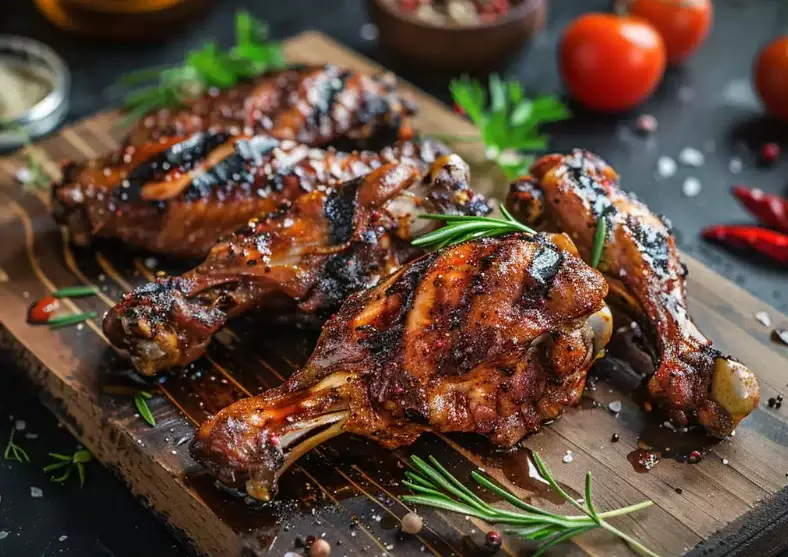
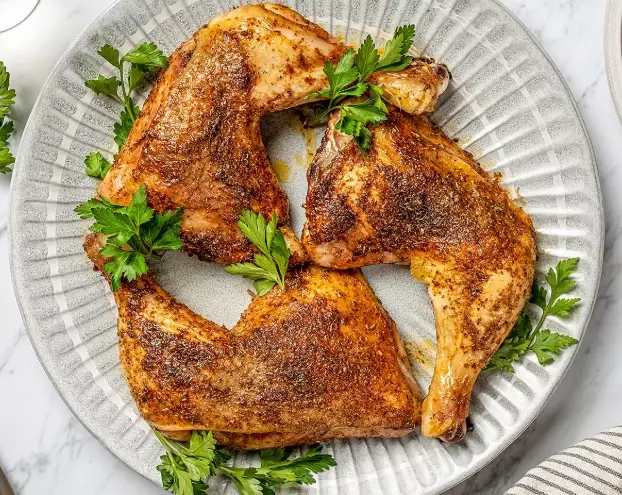
Look at a chicken. It doesn't fly long distances; it mostly walks and runs. Its leg and thigh muscles are its primary mode of transportation, working constantly to support its weight and move around. These are slow-twitch muscles designed for endurance. They need a steady oxygen supply, hence more myoglobin, leading to darker flesh.
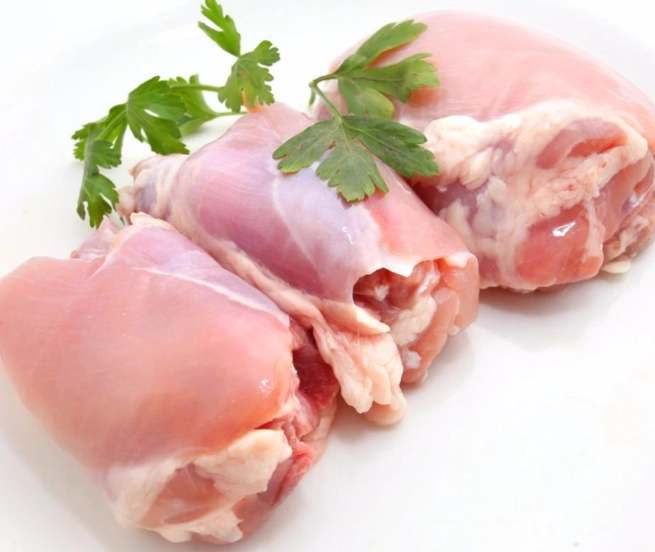
The breast muscles, however, are for the explosive, short bursts of flapping. These are fast-twitch muscles. They don't require the same oxygen-storing capacity. Less myoglobin means lighter-colored meat. This is why a free-range chicken that runs around more will often have slightly darker and more flavorful leg meat than a conventionally raised one—its legs got more of a workout.
I remember the first time I butchered a heritage breed turkey. The color difference between the pale breast and the deep, ruddy thighs was startling. It was a visual lesson in muscle biology that a plastic-wrapped package never provides.
Cooking White Meat vs. Dark Meat: A Practical Guide
This is where the classification matters most in your kitchen. Treating white and dark chicken meat the same is the #1 reason for disappointment.
How to Cook Chicken Breast (White Meat) Without Drying It Out
Everyone's had a dry, stringy chicken breast. The problem is that white meat has less fat and connective tissue. It goes from juicy to sawdust in a matter of minutes. The target internal temperature for safety is 165°F (74°C), as per the USDA, but you can pull it off the heat at 160°F (71°C). The residual heat will carry it to 165°F.
My non-negotiable rule: Brine or dry-brine your breasts. Soaking them in a saltwater solution (or just salting them heavily an hour before cooking) helps the muscle fibers retain moisture. Cook them fast and hot—sear in a pan or grill over direct heat—and let them rest for 5-10 minutes before slicing. This allows the juices to redistribute.
How to Cook Chicken Thighs & Legs (Dark Meat) for Maximum Flavor
Dark meat is forgiving. It's marbled with fat and has more collagen, which breaks down into gelatin with slow, moist heat, making it incredibly succulent. You can take it to 175°F (79°C) or even higher, and it gets better. This is why thighs are perfect for braises, stews, and slow roasting. The higher fat content also means they can stand up to stronger marinades and spices.
A common mistake is undercooking dark meat. While 165°F is safe, it often feels slightly rubbery at that temp. Let it go longer, and it becomes fall-off-the-bone tender.
Nutritional Showdown: White Meat vs. Dark Meat
Let's clear the air. White meat is often hailed as the "healthy" choice, but dark meat brings important nutrients to the table. The main difference is fat content.
| Nutrient (per 100g cooked, skinless) | Chicken Breast (White Meat) | Chicken Thigh (Dark Meat) |
|---|---|---|
| Calories | 165 | 209 |
| Protein | 31g | 26g |
| Total Fat | 3.6g | 10.9g |
| Saturated Fat | 1.0g | 3.0g |
| Iron | 0.9mg (5% DV) | 1.3mg (7% DV) |
| Zinc | 1.0mg (9% DV) | 2.4mg (22% DV) |
Data sourced from the USDA FoodData Central.
White meat wins on lean protein and lower calories. It's an excellent choice for muscle building and strict calorie-controlled diets. But look at dark meat: it provides significantly more iron and zinc, two crucial minerals many people are deficient in. The fat it contains also includes more monounsaturated fats (the "good" kind found in olive oil).
The healthiest approach? Eat both. Use lean breast meat for salads and quick sautés, and incorporate flavorful, nutrient-dense thighs into heartier meals. Removing the skin cuts saturated fat dramatically in both cases.
Your Top Chicken Classification Questions Answered
Why is my cooked chicken breast sometimes slightly pink near the bone?
Is pork also considered white meat like chicken?
What about turkey? Is it all white meat?
Does "free-range" or "organic" chicken have different colored meat?
Is duck meat white or dark?
Related Articles